Some desserts are loud with chocolate, caramel, or layers of frosting. Dadar Gulung does the exact opposite. It quietly wins people over with a soft green crepe, fragrant pandan aroma, and warm coconut filling that tastes like comfort wrapped into every bite.
The first time I introduced this snack to someone who had never tried Indonesian food, they asked, “Is this a pancake?” After one bite, the question changed into, “Why doesn’t everyone know about this?” That moment reminded me that many of Indonesia’s traditional market snacks deserve a much bigger spotlight.
Dadar gulung is one of the traditional snacks I find myself buying most often, right alongside klepon and putu ayu. There’s just something about the combination of grated coconut and palm sugar, whether gula merah or gula aren, that I find even more satisfying than chocolate. Maybe it’s because that familiar sweetness feels deeply connected to Indonesia and the place I grew up. Whenever I’m far from home, a bite of dadar gulung can bring back those familiar flavors and memories I sometimes find myself missing.
Today, let’s make this beautiful Indonesian classic from scratch using simple ingredients that are easy to find almost anywhere in the world.
What is Dadar Gulung?
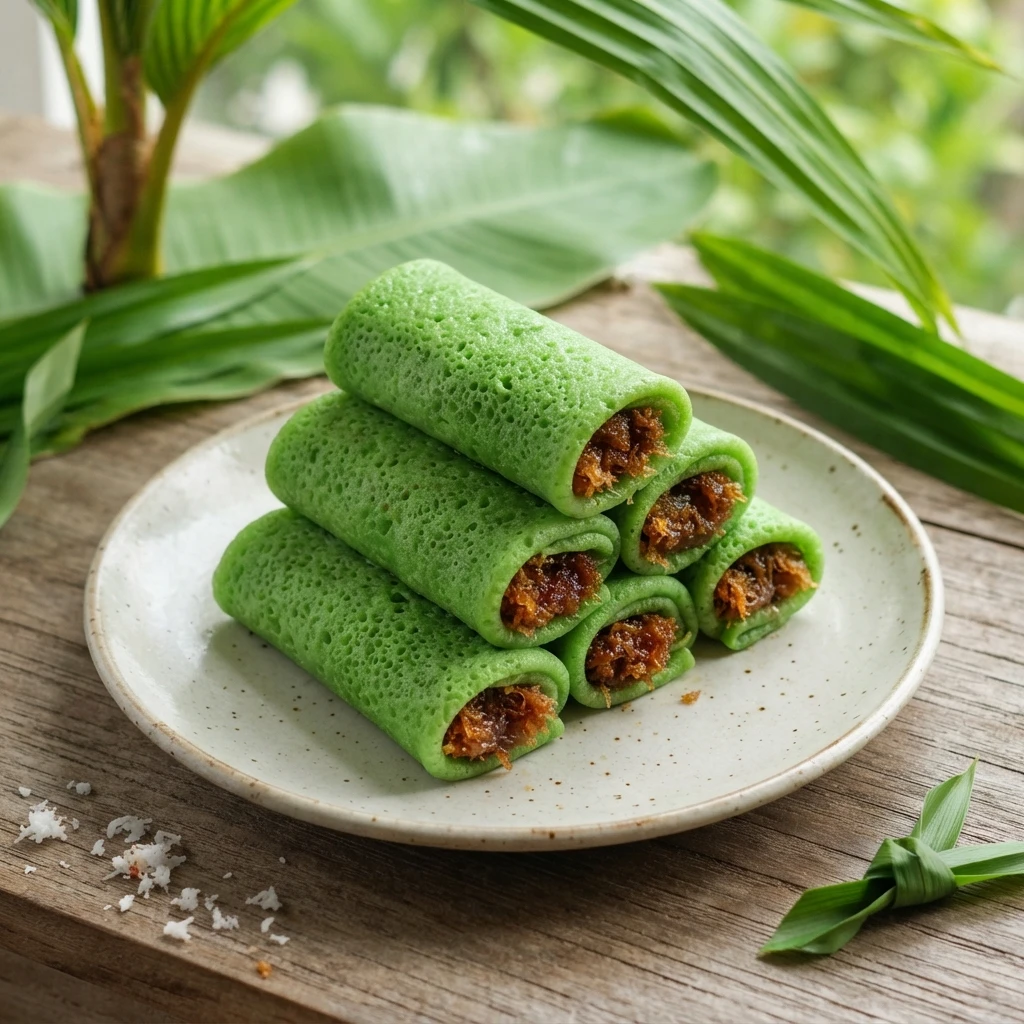
Dadar Gulung is a traditional Indonesian dessert made from a thin pandan-flavored crepe filled with sweet shredded coconut cooked in palm sugar. The name literally means “rolled pancake.”
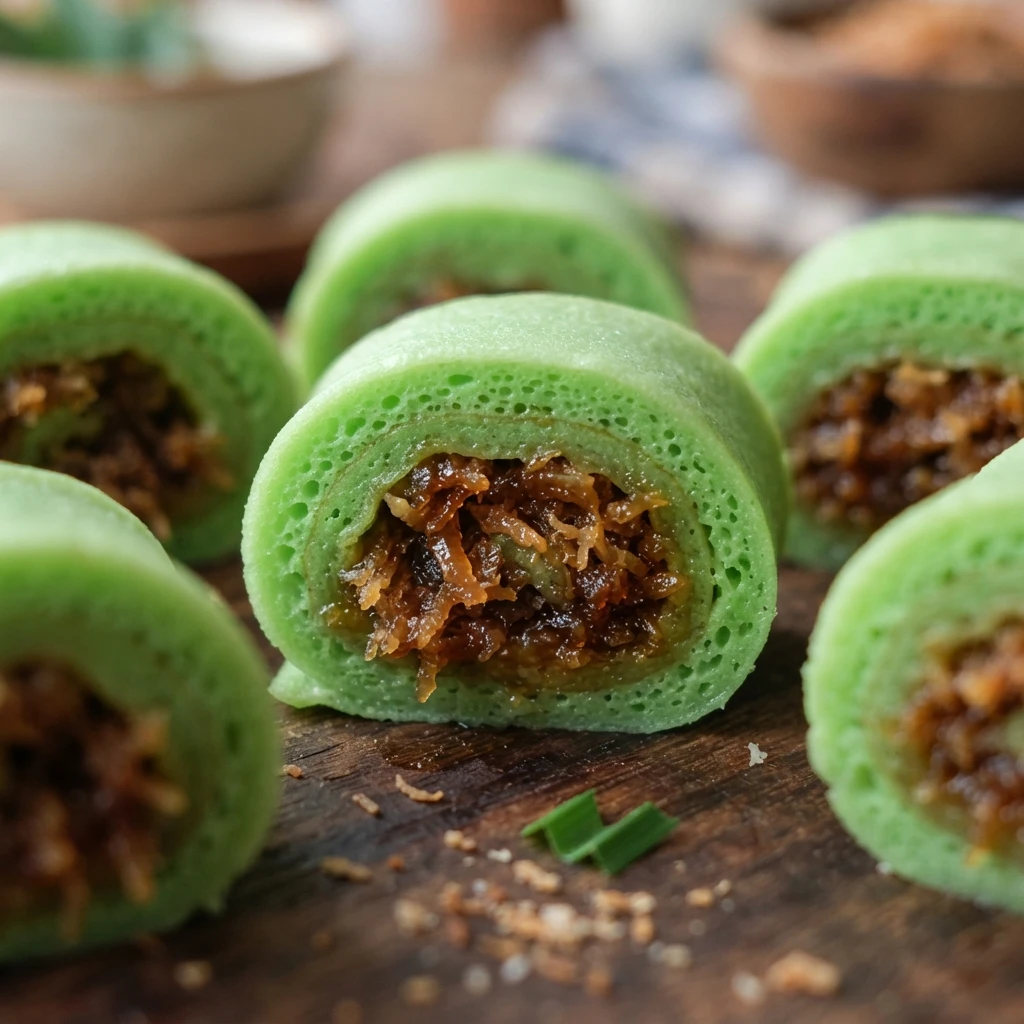
Unlike breakfast pancakes, these delicate crepes are soft, flexible, and lightly chewy thanks to flour and coconut milk. The filling combines grated coconut with melted palm sugar, creating a rich caramel flavor balanced by the fresh fragrance of pandan.
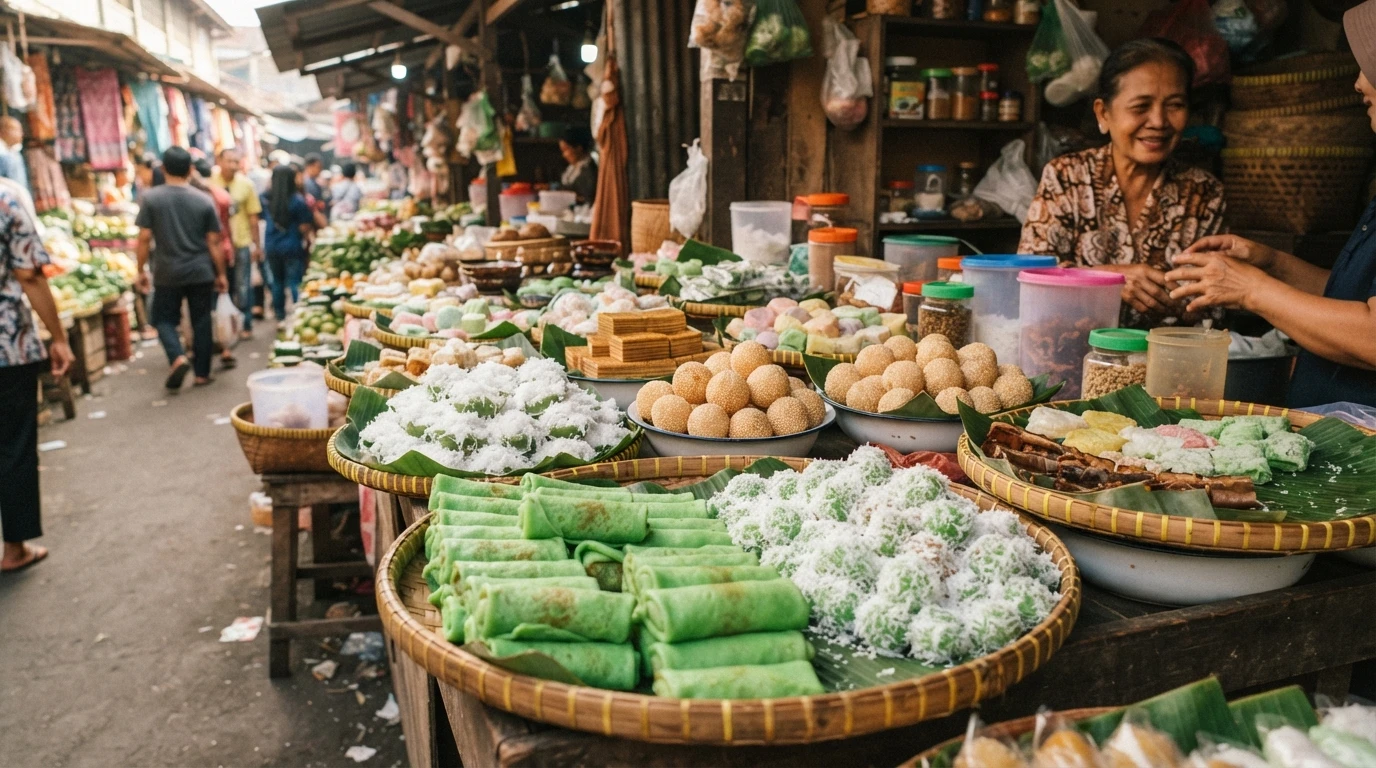
You’ll often find Dadar Gulung at Indonesian traditional markets alongside Klepon, Putu Ayu, Onde-Onde, and many other colorful snacks. While it looks elegant, it’s surprisingly simple to prepare, making it a wonderful recipe for beginners who want to explore Southeast Asian desserts.
Why You Should Try Dadar Gulung
There are thousands of desserts in the world, but Dadar Gulung offers a completely different experience.
Instead of heavy cream or excessive sweetness, it celebrates natural ingredients like coconut, pandan, and palm sugar. Every bite is soft, fragrant, and comforting.
If you’re exploring global cuisines, this recipe is also a perfect introduction to Indonesian traditional food because it uses techniques that are easy to learn while showcasing flavors that are uniquely Southeast Asian.
Whether you’re making dessert for family, afternoon tea, or simply trying something new, Dadar Gulung never feels complicated.
Why You’ll Love Dadar Gulung
- Beginner-friendly recipe with simple cooking techniques.
- Beautiful natural green color from pandan.
- Soft, tender crepes with rich coconut filling.
- Uses pantry-friendly ingredients.
- Great make-ahead dessert.
- Naturally dairy-free.
- Perfect for afternoon tea or dessert.
- A delicious way to discover Indonesian culture through food.
Ingredients
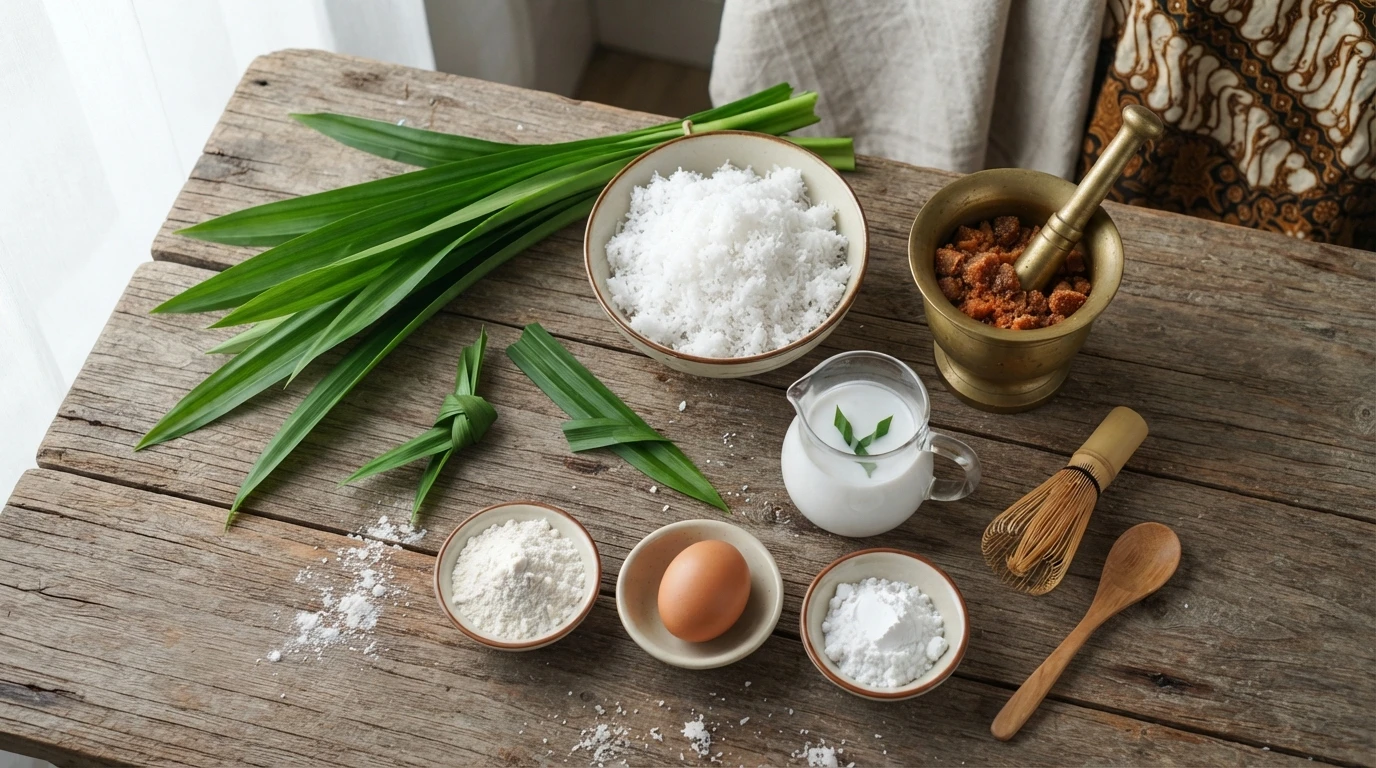
For the Crepe
- 1 cup all-purpose flour
- 1 tablespoon tapioca starch
- 1 egg
- 1¼ cups coconut milk
- 1 teaspoon pandan extract or pandan juice
- ¼ teaspoon salt
- 1 tablespoon vegetable oil
For the Coconut Filling
- 2 cups freshly grated coconut
- 120 g palm sugar, finely chopped
- 2 tablespoons brown sugar
- 2 pandan leaves (optional but recommended)
- 3 tablespoons water
- Pinch of salt
Kitchen Tools
- Mixing bowls
- Whisk
- Fine sieve
- Non-stick skillet
- Silicone spatula
- Ladle
- Small saucepan
- Cooling rack
How to Make Dadar Gulung Step-by-Step
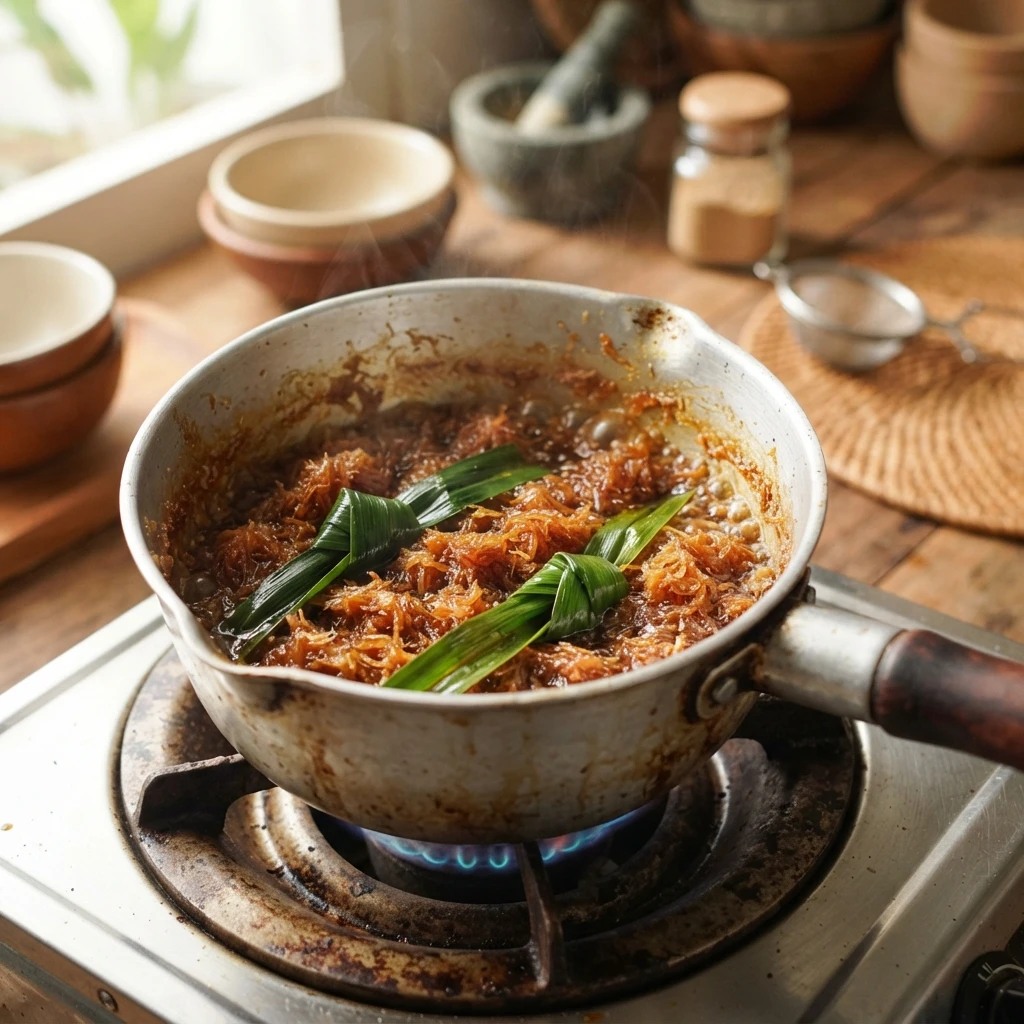
Step 1: Prepare the Coconut Filling
- Cook the palm sugar, brown sugar, water, pandan leaves, and salt over medium heat until the sugar melts completely.
- Add the grated coconut and stir continuously until the mixture becomes moist but not watery. Let it cool completely before using.
Step 2: Make the Pandan Crepe Batter
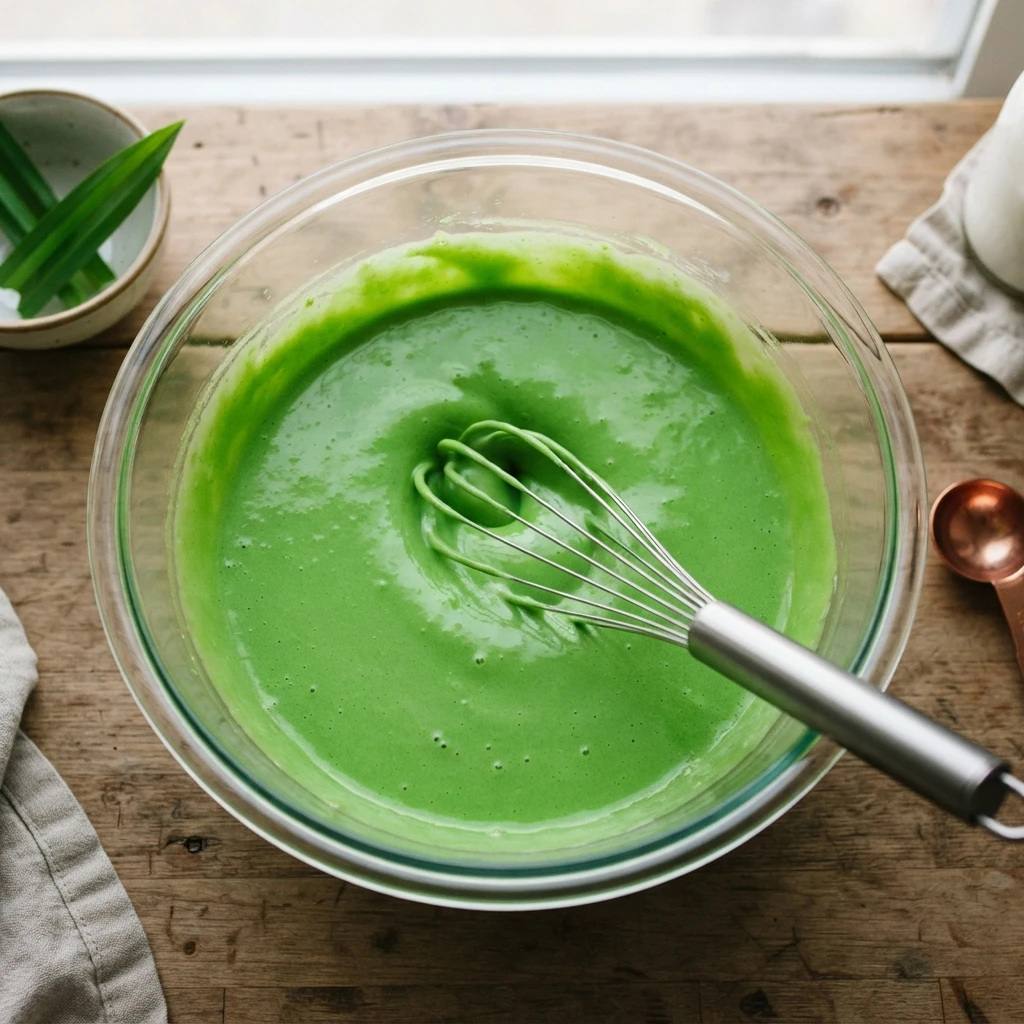
- Whisk together flour, tapioca starch, egg, coconut milk, pandan extract, oil, and salt until completely smooth.
- Strain the batter through a fine sieve to remove lumps. Let it rest for 15 minutes so the crepes cook evenly.
Step 3: Cook the Crepes
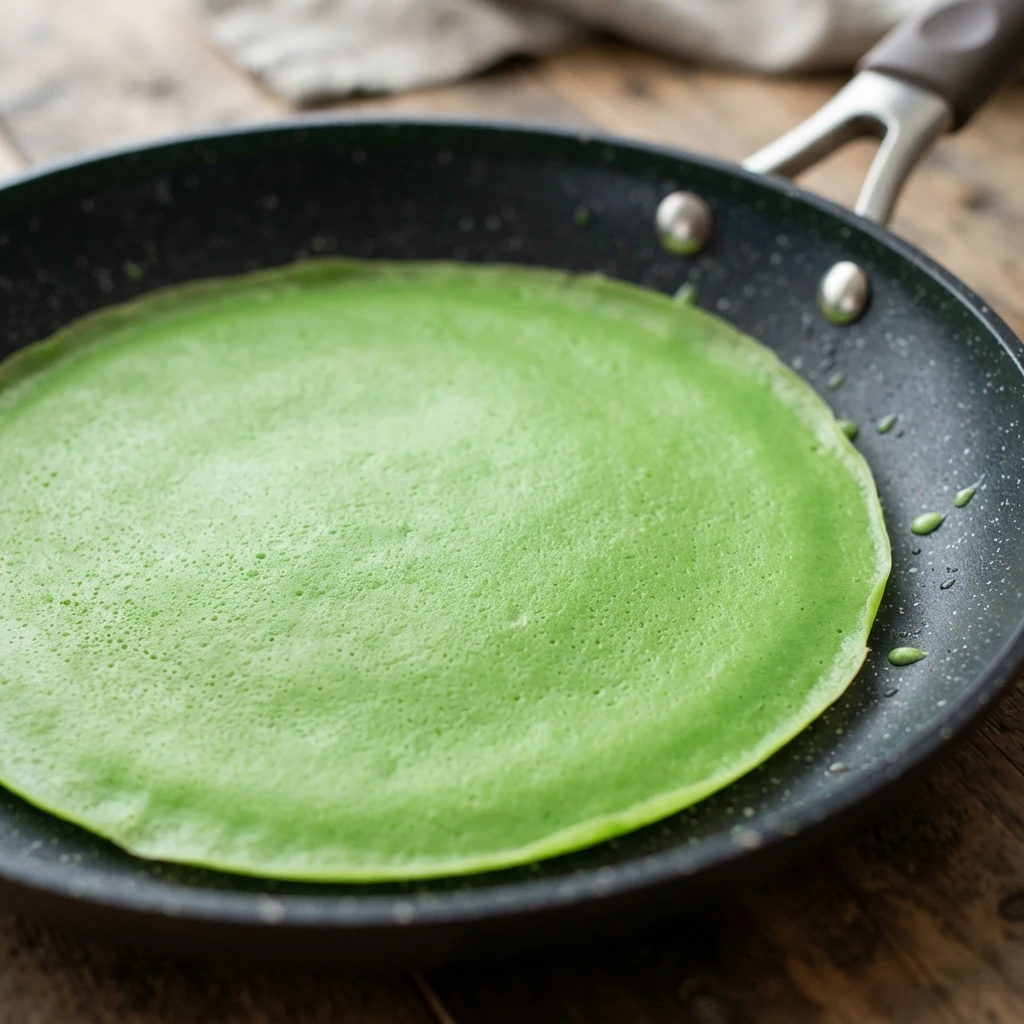
- Heat a lightly greased non-stick skillet over medium-low heat.
- Pour a small ladle of batter into the pan and swirl quickly into a thin circle.
- Cook until the surface is set without flipping.
- Transfer to a plate and repeat with the remaining batter.
Step 4: Fill and Roll
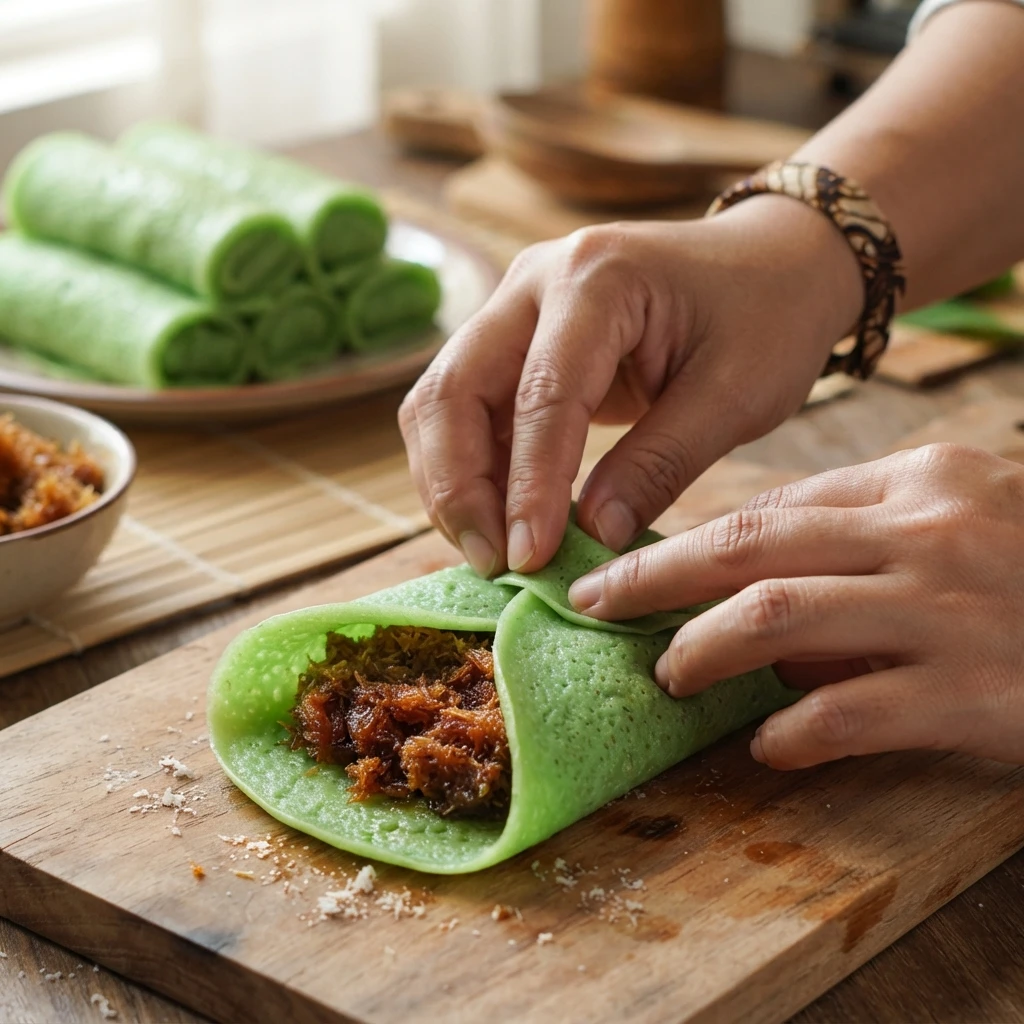
- Place one to two tablespoons of coconut filling near the bottom of each crepe.
- Fold both sides inward, then roll tightly like a spring roll.
- Continue until all the crepes are filled.
Step 5: Serve
- Arrange the finished Dadar Gulung on a serving plate.
- Enjoy immediately or chill for a refreshing snack.
Pro Tips
- Always strain the batter for smoother crepes.
- Let the batter rest before cooking.
- Cook over medium-low heat to prevent browning.
- Allow the filling to cool before rolling.
- Keep cooked crepes covered with a towel so they stay soft.
- Freshly grated coconut provides the best flavor.
- Don’t overfill each crepe.
Variations
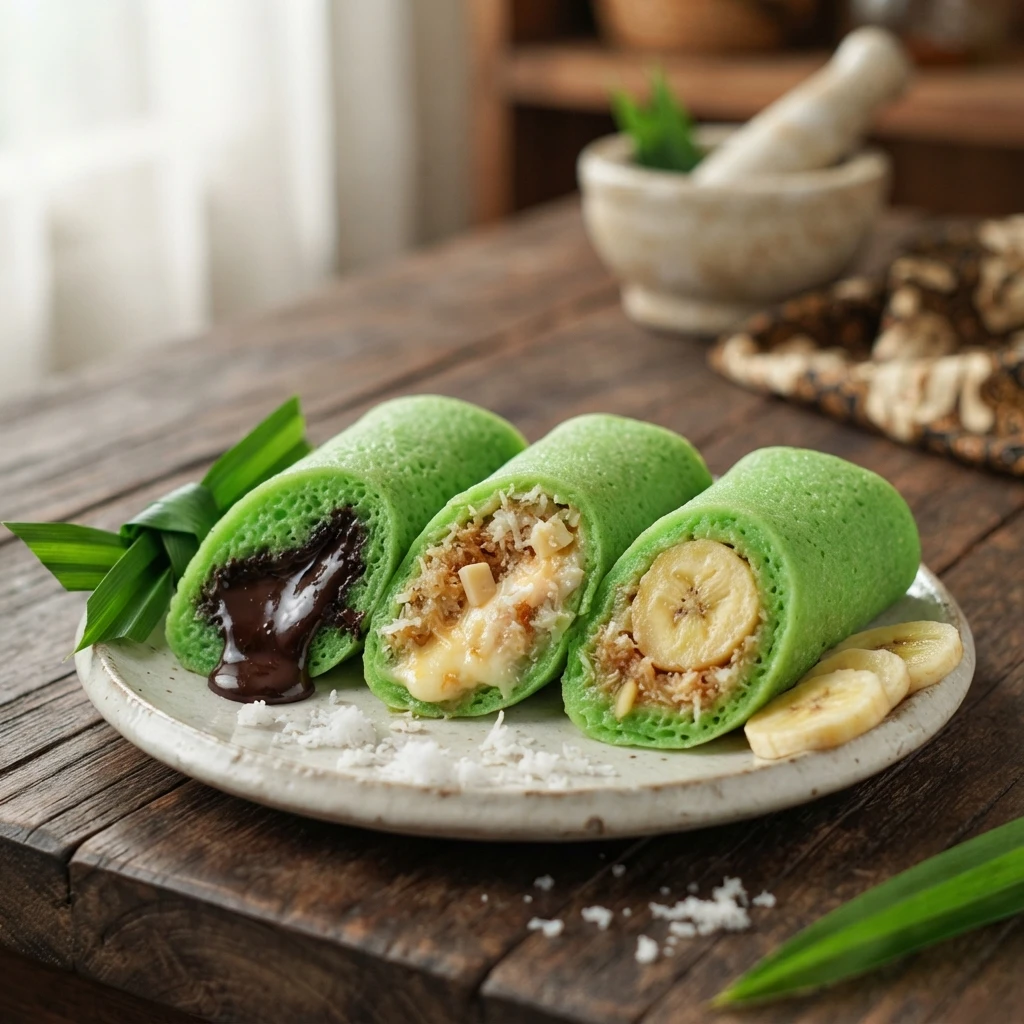
- Chocolate Dadar Gulung: Mix cocoa powder into the crepe batter and add chocolate chips to the filling.
- Cheese Coconut Filling: Combine shredded cheese with the coconut filling for a sweet-savory twist.
- Banana Dadar Gulung: Wrap sliced bananas inside the coconut filling.
- Purple Sweet Potato Version: Replace pandan with mashed purple sweet potato for a colorful variation.
- Vegan Version: Simply omit the egg and slightly reduce the coconut milk until the batter reaches a pour-able consistency.
A Taste of Indonesian Tradition
One of the most beautiful things about Dadar Gulung is that it represents Indonesia’s rich culinary heritage.
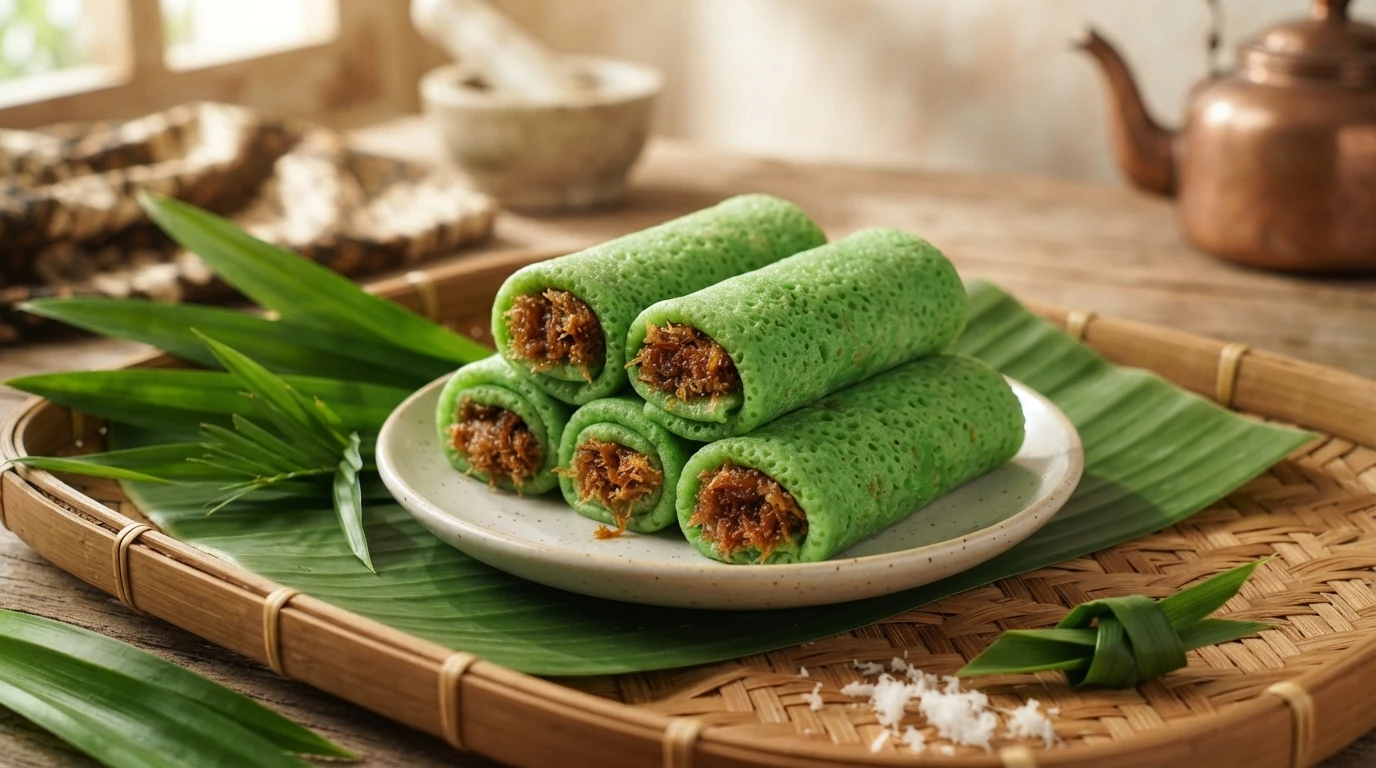
Walk through almost any traditional market in Indonesia, and you’ll find trays filled with colorful snacks made from coconut, rice flour, palm sugar, and pandan. These recipes have been passed down through generations, not because they’re complicated, but because they transform humble ingredients into unforgettable flavors.
Sharing Dadar Gulung with friends from different countries isn’t just sharing dessert. It’s sharing a small piece of Indonesian culture.
Dadar Gulung Nutrition Value
| Nutrient | Per Serving |
|---|---|
| Calories | 180 kcal |
| Carbohydrates | 28 g |
| Protein | 3 g |
| Fat | 7 g |
| Saturated Fat | 5 g |
| Fiber | 2 g |
| Sugar | 14 g |
| Sodium | 85 mg |
Nutrition values are estimates and may vary depending on ingredients used.
FAQs
Why is my crepe breaking?
The batter may be too thick or the crepe has been cooked too long.
Can I use frozen grated coconut?
Yes. Thaw and drain excess liquid before cooking.
What can I use instead of palm sugar?
Dark brown sugar works, although palm sugar gives a more authentic caramel flavor.
Can I make Dadar Gulung ahead of time?
Absolutely. They stay delicious for several days in the refrigerator.
Is pandan extract necessary?
Fresh pandan leaves provide the best aroma, but pandan extract is a convenient substitute.
Common Mistakes
- Making the batter too thick.
- Cooking the crepes over high heat.
- Rolling while the filling is still hot.
- Overfilling the crepes.
- Skipping the batter resting time.
- Not covering finished crepes, causing them to dry out.
How to Store Dadar Gulung
- Refrigerator: Store inside an airtight container for up to 3 days.
- Freezer: Freeze individually with parchment paper between each roll for up to one month.
- Reheating: Let thaw overnight in the refrigerator, then enjoy chilled or warm gently in a microwave for 10 to 15 seconds.
Final Thoughts
Dadar Gulung proves that unforgettable desserts don’t need complicated ingredients or advanced baking skills.
With its soft pandan crepe, fragrant coconut filling, and beautiful appearance, this traditional Indonesian snack is a wonderful way to experience one of Southeast Asia’s hidden culinary treasures.
Whether you’re discovering Indonesian cuisine for the first time or recreating a childhood favorite, this recipe delivers comfort, tradition, and flavor in every bite.
Have you ever tried Indonesian traditional desserts before?
I’d love to hear which variation you made or what you paired your Dadar Gulung with. Leave a comment below, share this recipe with fellow food lovers, and help introduce Indonesia’s incredible traditional snacks to kitchens around the world.
Asian bread Breakfast cake Cheese Cold Dessert Detox Diet Dinner Drinks Easy food Halal Healthy homemade hot Indonesian Italian Japanese K-Food Low Calory Meal Noodle Omelette Pasta Popular Ramen Simple snacks Soup Street Food Sweet Thai Tiktok viral