Imagine walking through a traditional Indonesian market early in the morning. The air is filled with the aroma of freshly grated coconut, pandan leaves, palm sugar, and steamed banana leaves. Small colorful snacks line every stall, each carrying recipes that have been passed down for generations.
These aren’t just desserts.
They’re little pieces of Indonesian culture.
Whether it’s a family gathering, afternoon tea, or a celebration, traditional Indonesian snacks always find a place on the table. They’re simple, affordable, and surprisingly fun to make at home.
If you’ve never tried Indonesian sweets before, these five recipes are the perfect place to start.
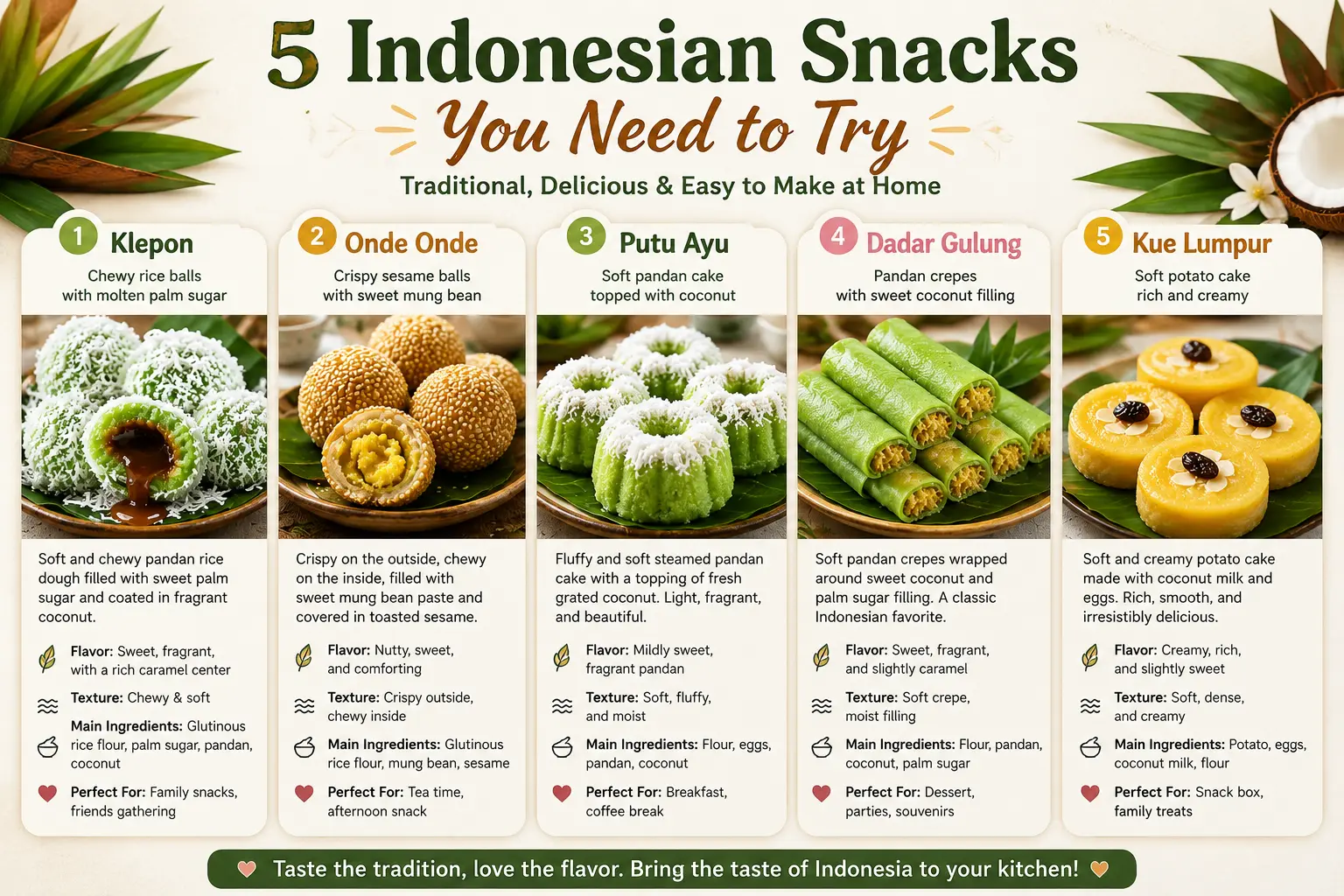
Why Indonesian Traditional Snacks Are Worth Trying
Indonesia is home to more than 17,000 islands, and every region has its own unique culinary traditions. Traditional snacks, known locally as jajanan pasar, are one of the country’s greatest culinary treasures.
Unlike many modern desserts that rely heavily on butter and cream, Indonesian snacks often use natural ingredients such as:
- Fresh coconut
- Coconut milk
- Palm sugar
- Rice flour
- Tapioca flour
- Bananas
- Pandan leaves
These ingredients create desserts that are naturally fragrant, lightly sweet, and incredibly satisfying.
Many recipes are also vegetarian and easy to customize.
Why You’ll Love These Recipes
These snacks are beginner-friendly because they:
- Use simple ingredients
- Don’t require expensive equipment
- Can be made in under an hour
- Offer unique tropical flavors
- Are perfect for parties and afternoon tea
- Introduce you to authentic Indonesian cuisine
Most importantly, every bite tells a story about Indonesian culture.
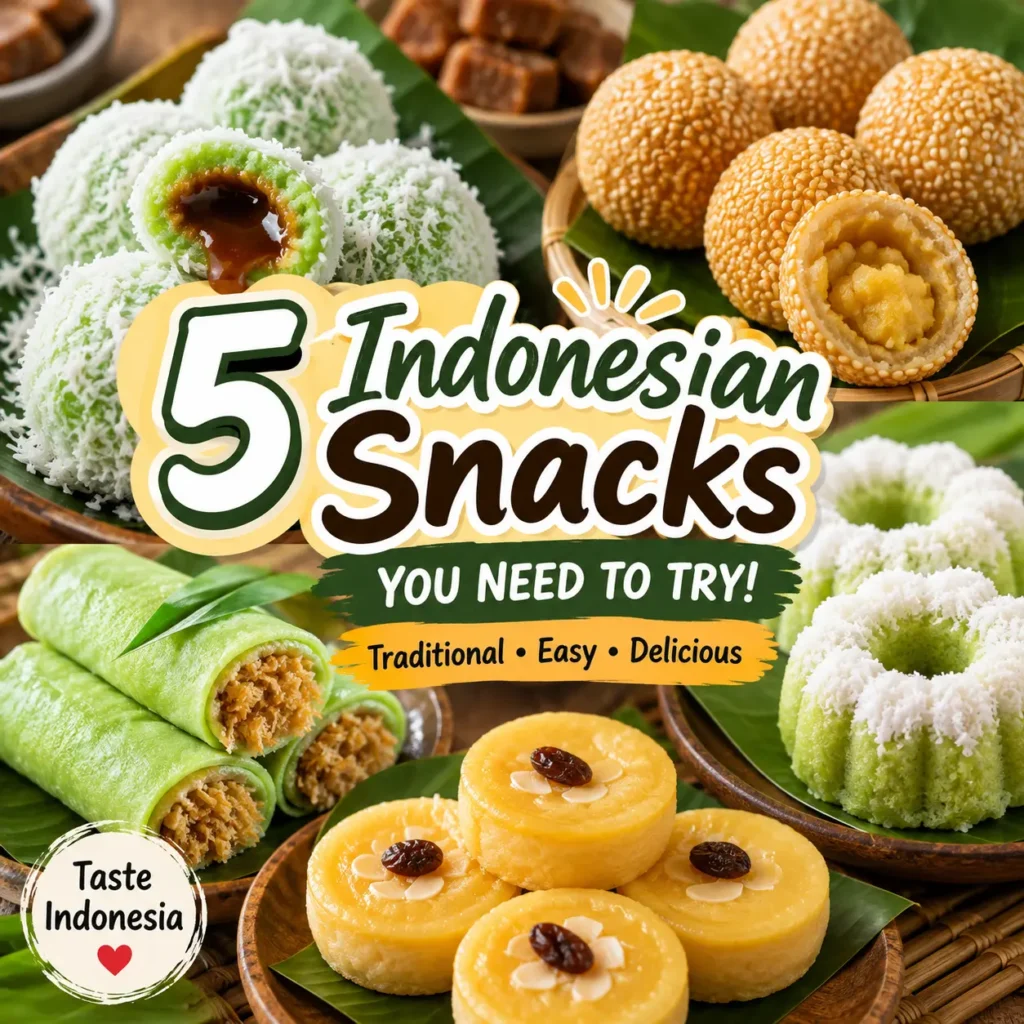
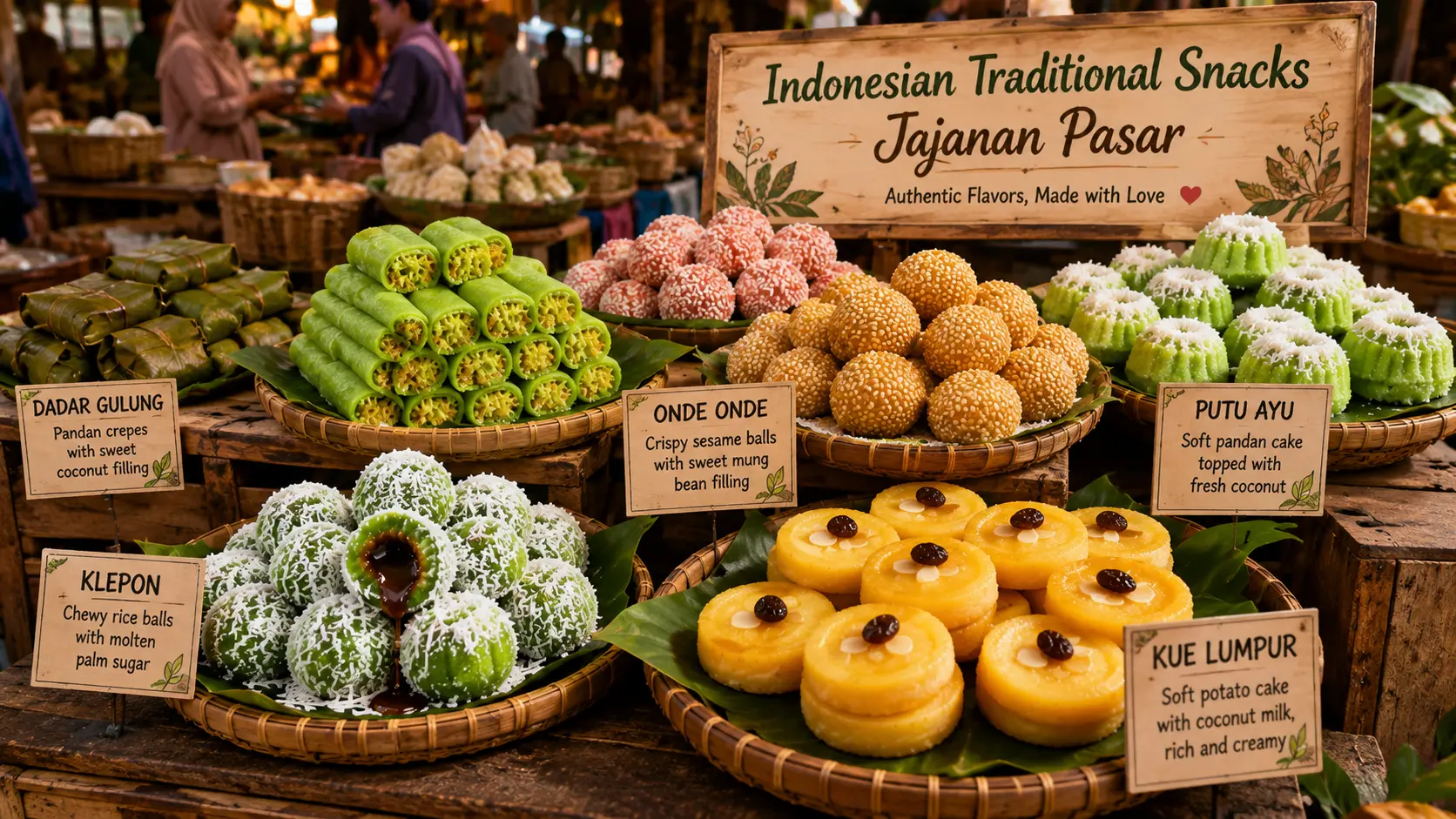
1.Easy Klepon Recipe with Coconut and Palm Sugar
Soft green rice balls with molten palm sugar inside.
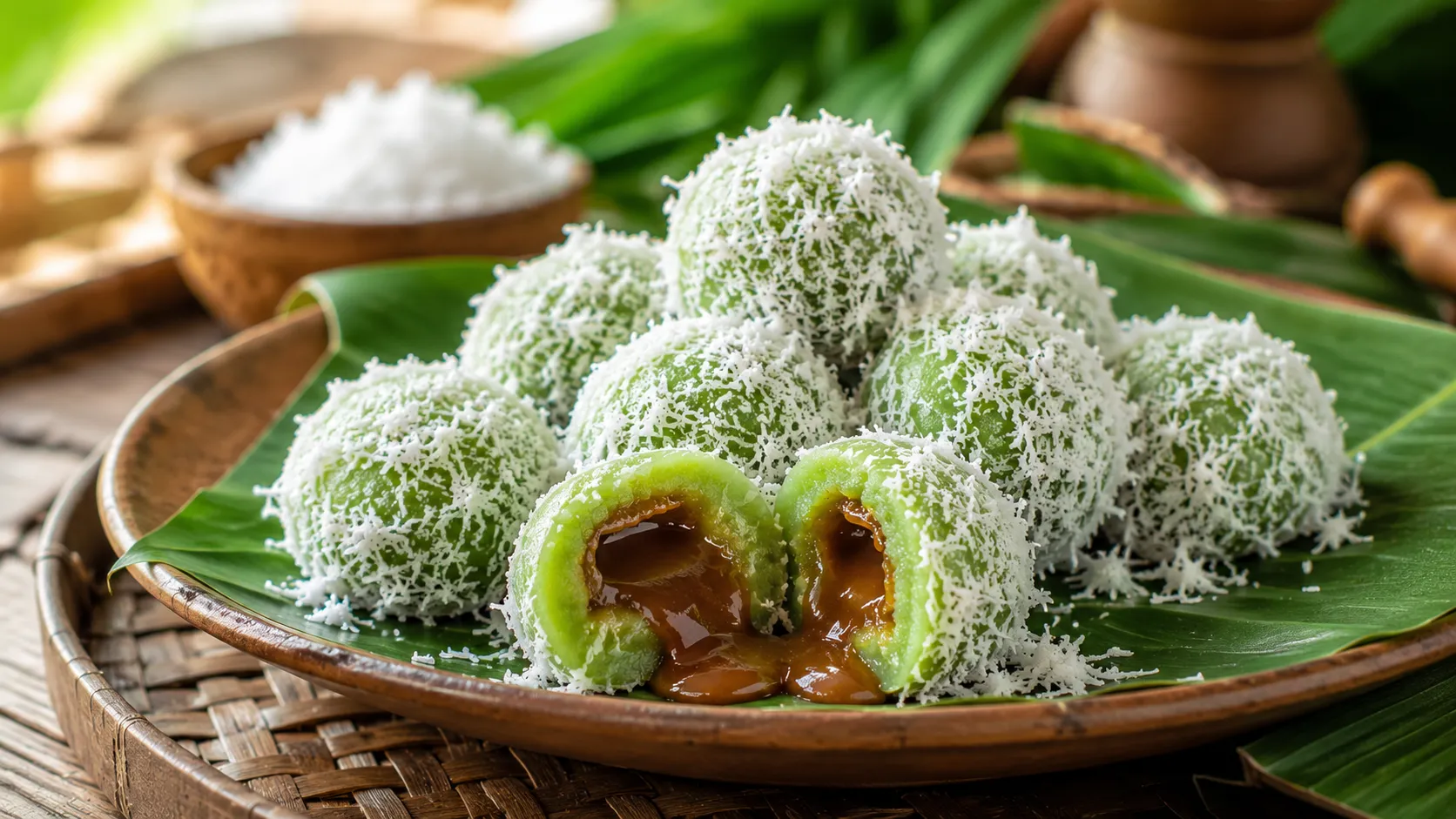
The first time most people eat klepon, they get a delightful surprise.
You bite into a soft pandan-colored ball, and suddenly warm liquid palm sugar bursts into your mouth. Then the fresh grated coconut balances everything with a gentle savory finish.
That magical combination is exactly why klepon has become one of Indonesia’s most famous traditional snacks.
Why You Should Try Klepon
- Naturally gluten-free
- Fun to make with kids
- Beautiful green color from pandan
- Sweet surprise in every bite
- One of Indonesia’s most iconic desserts
Flavor Profile
- Chewy
- Sweet
- Fragrant
- Creamy coconut finish
I still remember the very first time I tried klepon. I was just a child at a wedding reception with my parents when I spotted a tray of little green balls coated in freshly grated coconut. They looked so different from the other desserts that I couldn’t help but stare at them. Seeing how curious I was, my father handed me one and told me to give it a try. The moment I took my first bite, the warm palm sugar filling burst into my mouth, completely catching me by surprise. I had never tasted anything like it before, and that sweet, gooey center instantly made klepon one of my favorite traditional Indonesian snacks. Even today, every bite reminds me of that unforgettable first experience.
👉 Read the complete recipe: [Easy Klepon Recipe with Coconut and Palm Sugar]
2. Easy Onde Onde Recipe with Crispy Sesame Coating
Crispy outside, chewy inside.
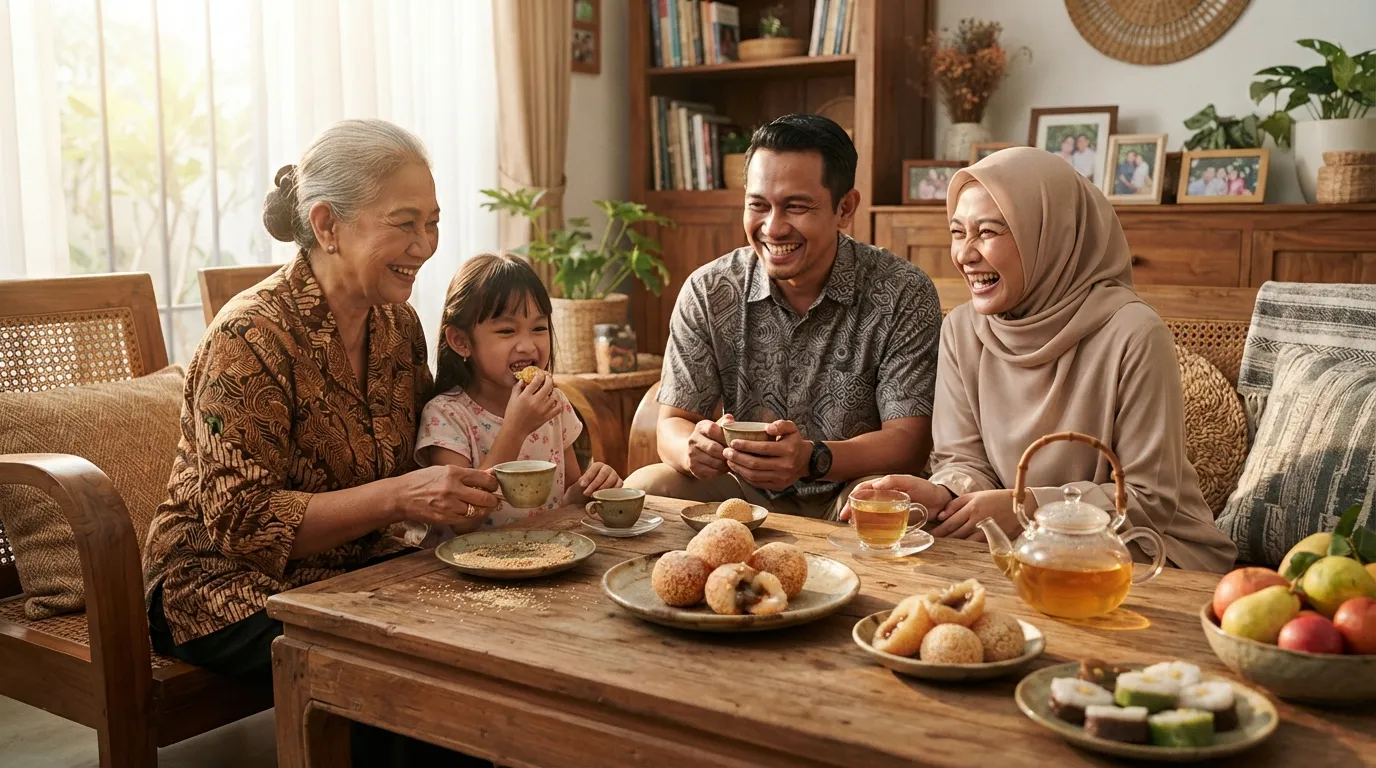
At first glance, onde onde may look like an ordinary sesame ball.
But inside, you’ll usually find sweet mung bean paste surrounded by a wonderfully chewy glutinous rice dough.
The contrast between the crispy sesame coating and the soft center makes every bite incredibly satisfying.
Why You’ll Love Onde Onde
- Crispy exterior
- Chewy texture
- Nutty sesame flavor
- Great for beginners
- Popular throughout Southeast Asia
Best Served With
- Hot tea
- Coffee
- Milk tea
One of my favorite childhood memories is spending school holidays at my grandparents’ house with all my cousins. Whenever we gathered, my grandmother would make homemade onde-onde for us. I can still remember the smell of the sesame seeds toasting as they cooked and how excited we were to grab one while it was still warm. Crispy on the outside, soft and chewy on the inside, with a sweet mung bean filling, onde-onde quickly became one of the treats I looked forward to every holiday. Even today, every bite brings back those happy moments with my family.
👉 Read the full recipe:
Easy Onde Onde Recipe with Crispy Sesame Coating
3. Soft Putu Ayu Recipe Anyone Can Make
A fluffy pandan coconut cupcake.
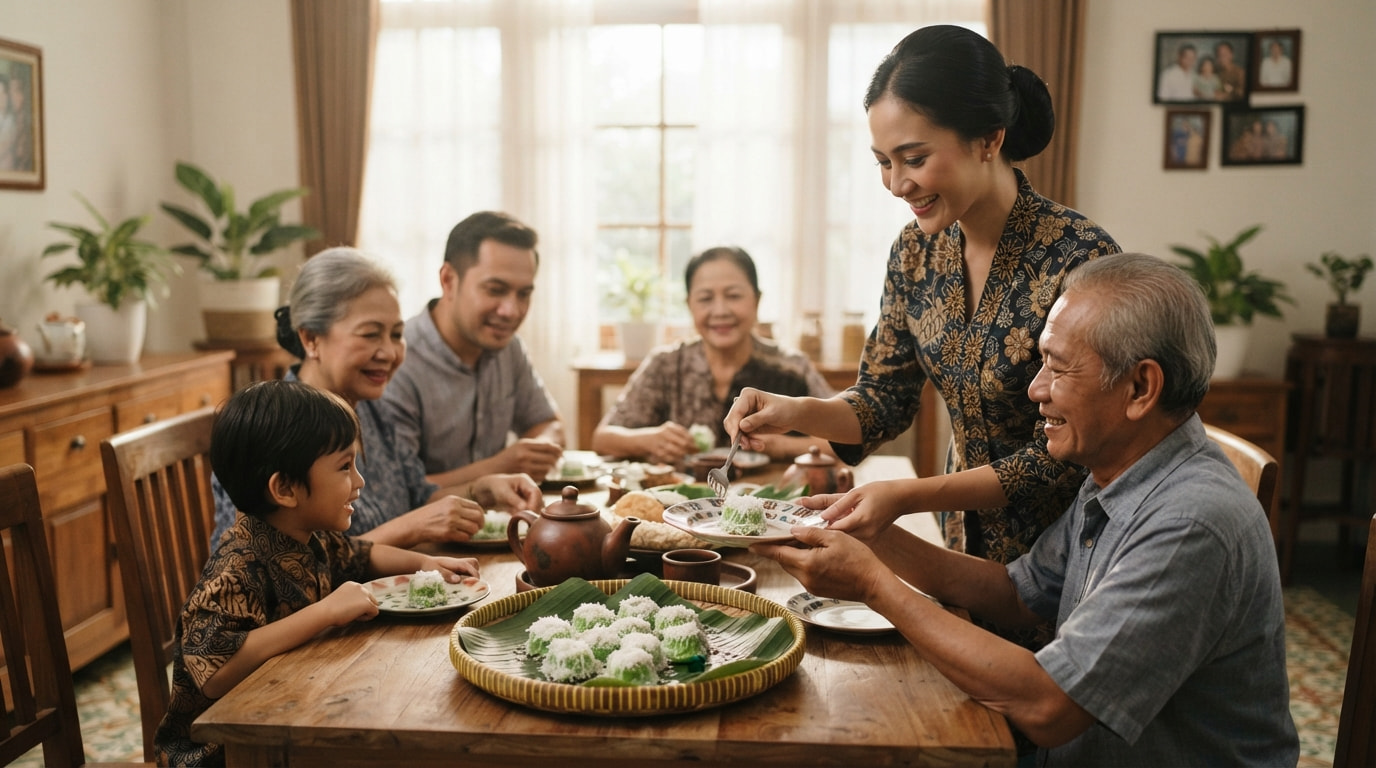
Putu Ayu is proof that simple ingredients can create something beautiful.
Its vibrant green sponge cake is topped with fresh coconut, creating a dessert that’s soft, fragrant, and surprisingly light.
Unlike many cupcakes, Putu Ayu doesn’t rely on frosting. The coconut itself becomes the perfect topping.
Why Beginners Love Putu Ayu
- Easy steaming method
- Soft texture
- Beautiful appearance
- Mild sweetness
- Perfect afternoon snack
Perfect Pairing
- Jasmine tea
- Coffee
- Fresh tropical fruit
I first discovered putu ayu as a child when my grandmother took me to the traditional market to buy some local snacks. Among all the colorful treats on display, one little green cake immediately caught my attention. It was shaped almost like a tiny doughnut and topped with a layer of grated white coconut. As a child, I thought the coconut looked like little bits of snow, so I simply called it “snow cake.” I didn’t know much about putu ayu back then, but I knew one thing for sure: it looked too tempting to leave behind.
👉 Read the complete recipe:
Soft Putu Ayu Recipe Anyone Can Make
4. Easy Dadar Gulung with Sweet Coconut Filling
Indonesia’s famous green coconut pancake.
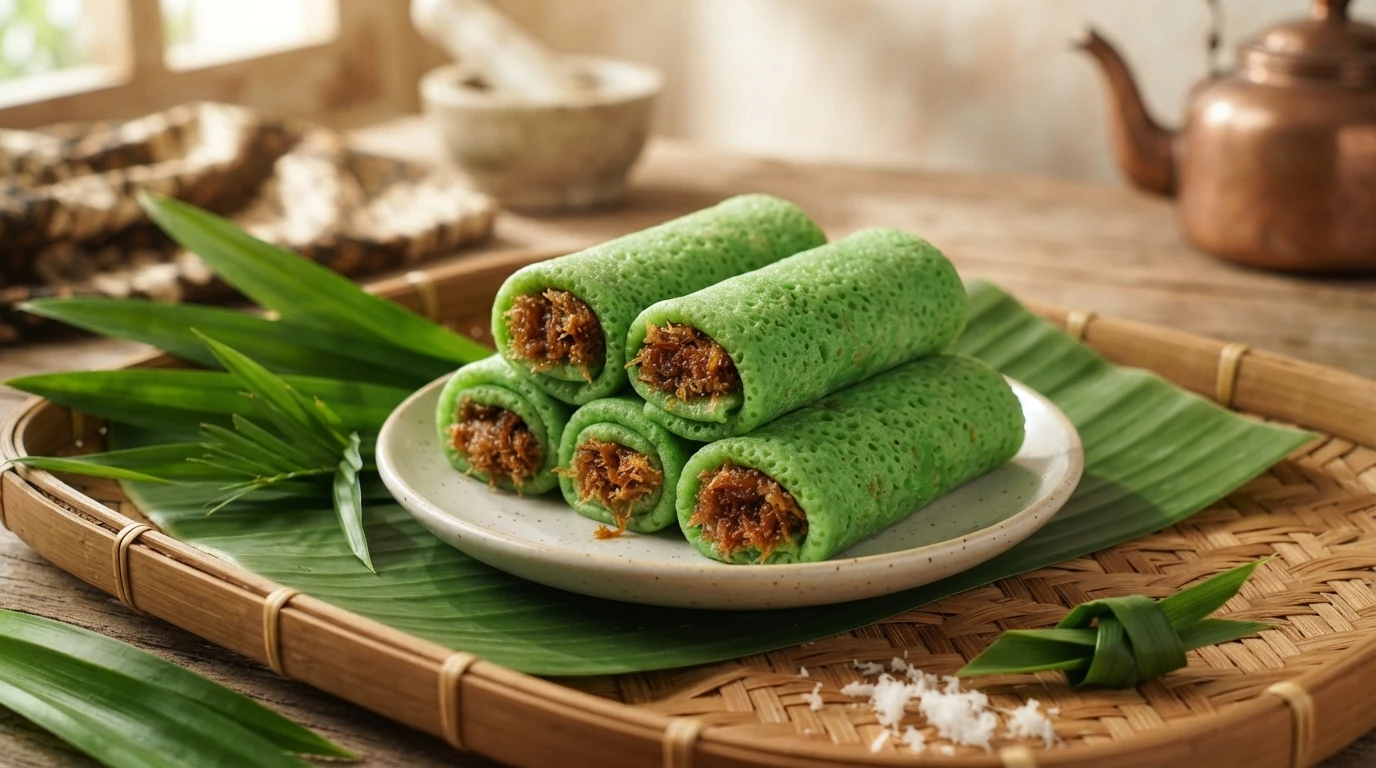
Dadar Gulung combines a soft pandan crepe with a rich filling made from coconut and palm sugar.
It’s sweet without being overwhelming and has become one of the most recognizable Indonesian street snacks.
The vibrant green pancake makes it instantly eye-catching.
Why Everyone Loves Dadar Gulung
- Soft and tender
- Rich coconut filling
- Naturally colorful
- Great make-ahead dessert
- Beginner-friendly
Best Occasion
- Afternoon tea
- Family gatherings
- Potluck parties
Dadar gulung is one of the traditional snacks I find myself buying most often, right alongside klepon and putu ayu. There’s just something about the combination of grated coconut and palm sugar, whether gula merah or gula aren, that I find even more satisfying than chocolate. Maybe it’s because that familiar sweetness feels deeply connected to Indonesia and the place I grew up. Whenever I’m far from home, a bite of dadar gulung can bring back those familiar flavors and memories I sometimes find myself missing.
👉 Read the full recipe:
Easy Dadar Gulung with Sweet Coconut Filling
5. Easy Kue Lumpur Recipe with Soft Potato Cake
Rich, creamy, and unbelievably soft.

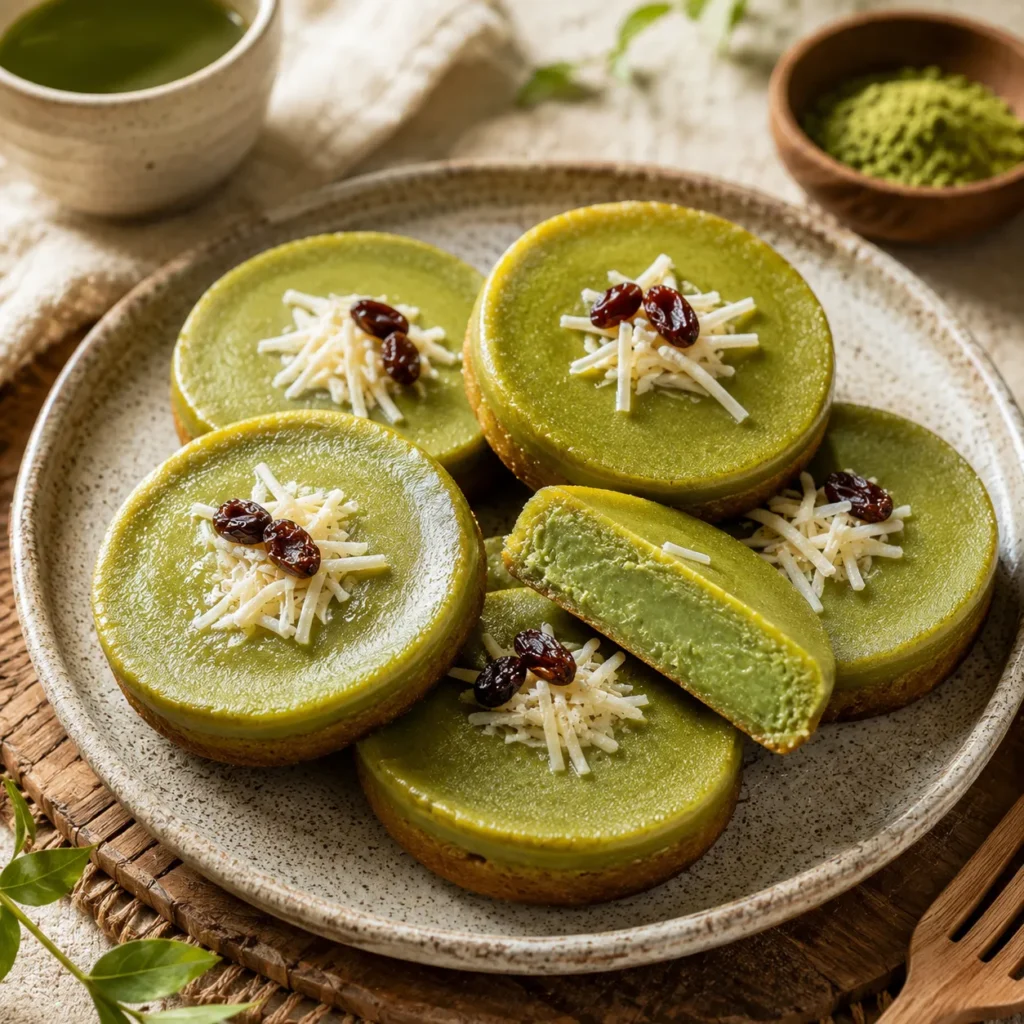
Despite its unusual name, Kue Lumpur has nothing to do with mud.
Its name comes from its incredibly soft texture, which resembles smooth, creamy earth after rain.
Made with mashed potatoes, coconut milk, and eggs, this cake melts in your mouth.
Why You Should Try It
- Rich texture
- Moist and fluffy
- Mild sweetness
- Unique potato-based dessert
- Comfort food favorite
Popular Toppings
- Raisins
- Coconut slices
- Cheese
- Almonds
After making kue lumpur myself, I realized that they’re actually much easier to prepare than I initially expected. Once you have the right balance of ingredients, the batter comes together without much fuss. A few friends who tried my version were pleasantly surprised by the flavor and texture. They especially loved the soft, creamy potato base, which reminded them of the comforting texture of mashed potatoes, but with the sweet, fragrant character of a traditional Indonesian cake.
👉 Read the full recipe:
Easy Kue Lumpur Recipe with Soft Potato Cake
Which Indonesian Snack Should You Try First?
If you’re completely new to Indonesian desserts, here’s an easy guide:
| If You Like… | Try… |
|---|---|
| Gooey desserts | Klepon |
| Crispy snacks | Onde Onde |
| Soft cupcakes | Putu Ayu |
| Pancakes | Dadar Gulung |
| Creamy cakes | Kue Lumpur |
Each recipe introduces a different side of Indonesian cuisine, from chewy textures to fragrant coconut flavors.
Tips for Making Authentic Indonesian Snacks
If you’re making these recipes outside Indonesia, here are a few tips:
- Frozen grated coconut works well if fresh coconut isn’t available.
- Frozen pandan leaves can often be found in Asian grocery stores.
- Palm sugar can sometimes be labeled as coconut sugar or gula java.
- Banana leaves are optional for some recipes but add authentic aroma.
- Steamers are more commonly used than ovens for traditional Indonesian desserts.
FAQs
Are Indonesian snacks very sweet?
Not usually. Most traditional Indonesian desserts have a balanced sweetness because coconut and pandan naturally soften the flavor.
Are these recipes beginner-friendly?
Yes. Every recipe listed here is suitable for beginners and uses simple cooking techniques.
Can I make them without pandan?
Yes, but pandan provides the authentic aroma and color that make these desserts unique.
Are these snacks vegetarian?
Most are naturally vegetarian. Just double-check individual ingredients if you’re using store-bought products.
Where can I buy Indonesian ingredients?
Many Asian grocery stores and online marketplaces sell coconut milk, palm sugar, glutinous rice flour, and pandan.

Final Thoughts
Traditional Indonesian snacks are more than delicious treats. They represent family traditions, local ingredients, and generations of home cooking.
Whether you’re making chewy Klepon, crispy Onde Onde, fluffy Putu Ayu, fragrant Dadar Gulung, or creamy Kue Lumpur, you’re experiencing a small part of Indonesia’s rich culinary heritage.
Start with the recipe that matches your favorite texture, and don’t be surprised if it inspires you to explore even more Indonesian desserts.
Who knows? Your kitchen might just become the next stop on a delicious journey across Indonesia.
Explore More Indonesian Recipes
If you enjoyed these traditional snacks, don’t stop here. Explore more authentic Indonesian recipes and discover how simple ingredients can create unforgettable flavors. Save your favorite recipes, share them with friends, and bring a taste of Indonesia to your own kitchen. 🇮🇩