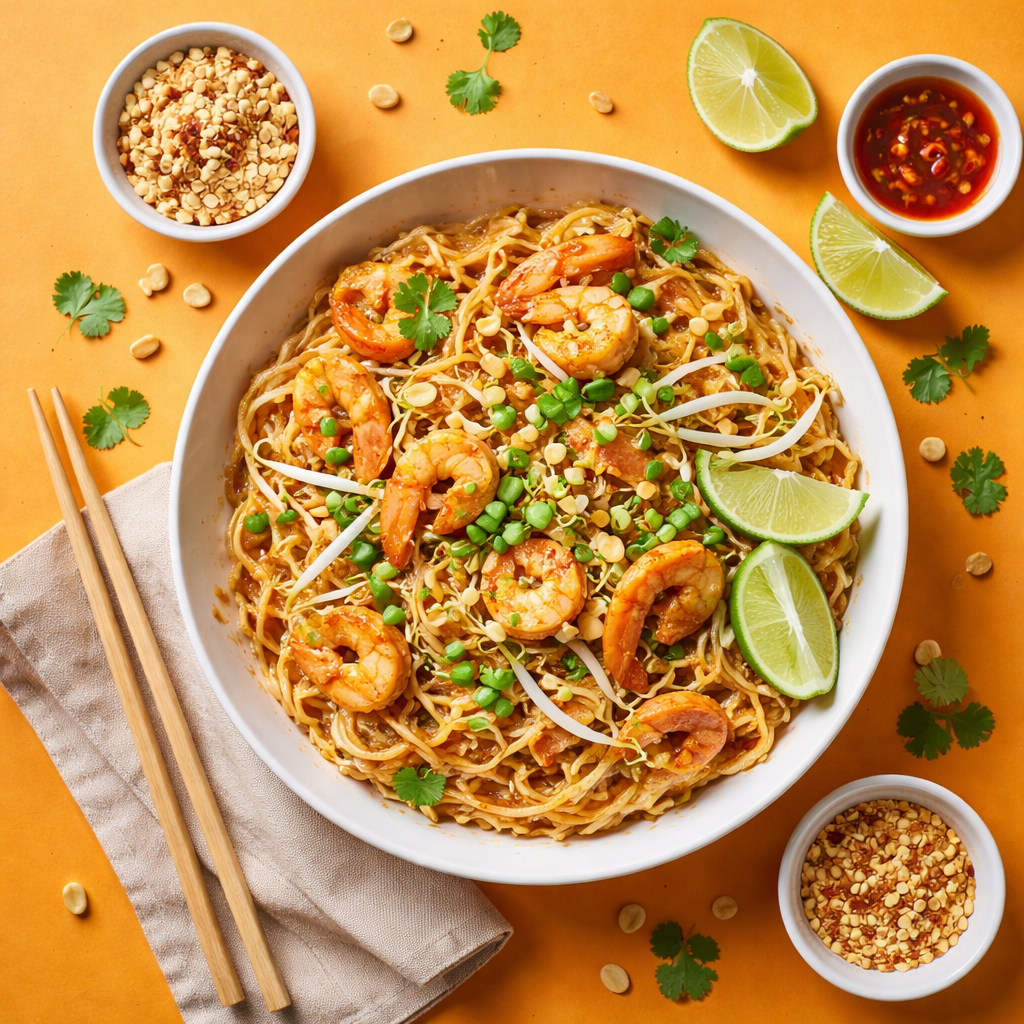
There’s a moment when noodles hit a hot pan, sauce caramelizes just slightly, and the aroma wraps around your kitchen like a warm hug. That’s the magic of Pad Thai.
But here’s the surprising part…
You don’t need a street stall in Bangkok or years of cooking experience to make it.
This easy Pad Thai recipe brings bold, authentic flavor into your kitchen using simple ingredients and beginner-friendly steps. One bite, and you might just retire your takeout app for good.
From the moment I discovered this recipe, I felt it would earn a place among my favorite authentic dishes. Although I have not yet visited Thailand, cooking this dish felt like a small culinary journey. It was far less complicated than I had imagined. The sweet, savory, and bright flavors blended effortlessly, and the steady wave of umami made it clear why Pad Thai often leaves travelers longing for another bite.
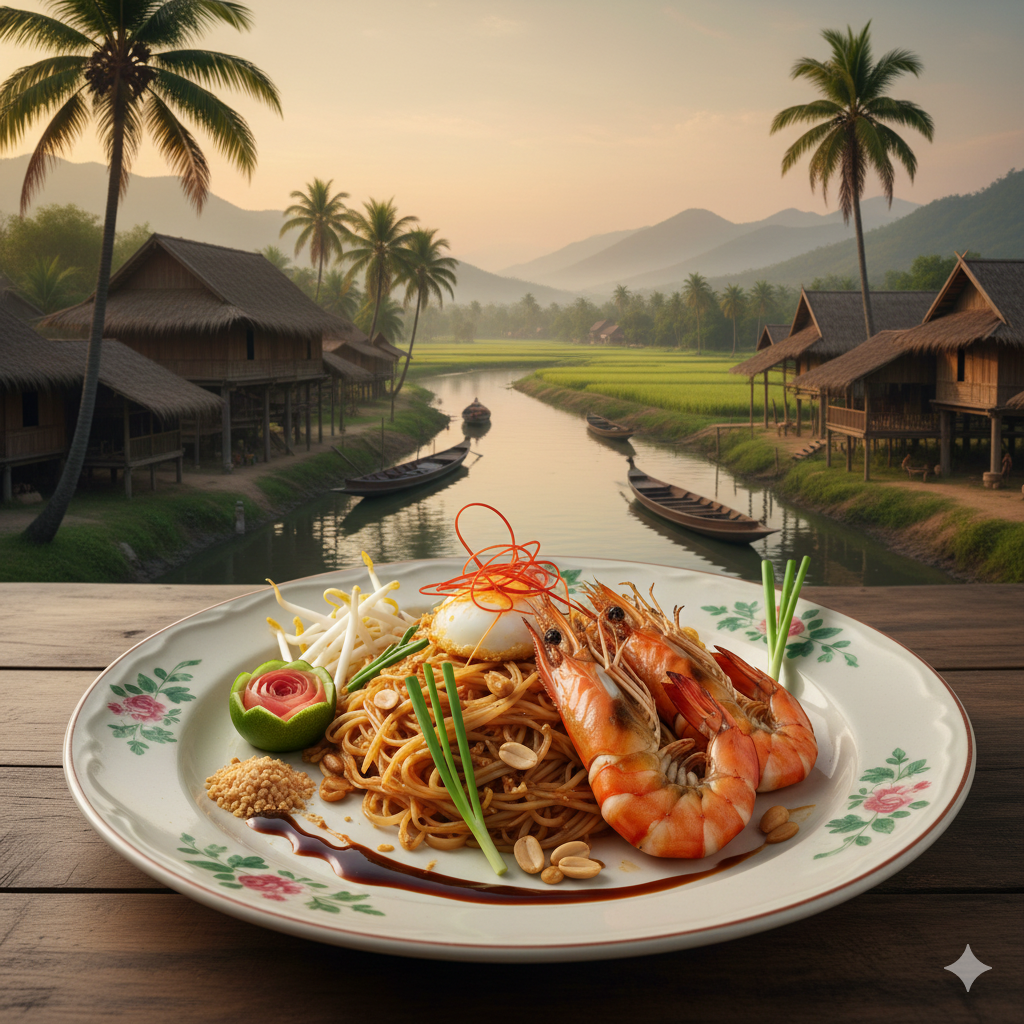
What is Pad Thai
Pad Thai is more than just a popular noodle dish; it is a symbol of modern Thai cuisine with a fascinating backstory. The recipe became widely known in the 1930s–1940s during a period when Thailand was promoting national identity and local food culture. At that time, rice noodles were encouraged as a staple, and Pad Thai emerged as an affordable, nutritious, and flavorful street food that could be enjoyed by everyone. Because of this, it quickly spread from humble street stalls to households across the country.
Traditionally, it includes:
- Rice noodles
- Eggs
- Protein like shrimp or chicken
- Crunchy bean sprouts
- Peanuts
- A signature tamarind-based sauce
What makes Pad Thai special isn’t just the ingredients—it’s the balance. Every bite hits multiple flavor notes at once: tangy, slightly sweet, umami-rich, and just a little smoky from the pan.
It fascinates me how a country’s national dish can resonate with people far beyond its borders. The authentic taste and deep umami leave a lasting impression, and for me, it even evokes the feeling of a carefree summer by the sea.
Why You should try
You should try this Pad Thai recipe because it delivers restaurant-level flavor without the stress. It is quick, beginner-friendly, and incredibly satisfying, especially when you want something comforting yet exciting. Moreover, the balance of sweet, savory, and tangy flavors makes every bite feel intentional, not accidental, so it never gets boring.
In addition, this recipe is highly flexible. You can easily switch proteins, adjust spice levels, or even make it vegetarian, while still keeping the iconic Pad Thai character. Because it uses simple ingredients and one pan, it fits perfectly into busy lifestyles. Once you try it, you will understand why Pad Thai is not just food, but a craving that keeps coming back.
I didn’t expect a national dish to feel so universal. The depth of its umami lingers long after the first bite, and somehow it reminds me of warm evenings by the sea
Why You’ll Love This Recipe
This isn’t just another noodle dish—it’s a flavor-packed experience.
- Quick & Easy – Perfect for busy days
- Balanced Flavor – Sweet, tangy, savory in harmony
- One Pan Wonder – Less mess, more flavor
- Customizable – Works with chicken, shrimp, tofu, or even veggies
- Crowd Favorite – Almost everyone loves Pad Thai
It’s comfort food with personality.
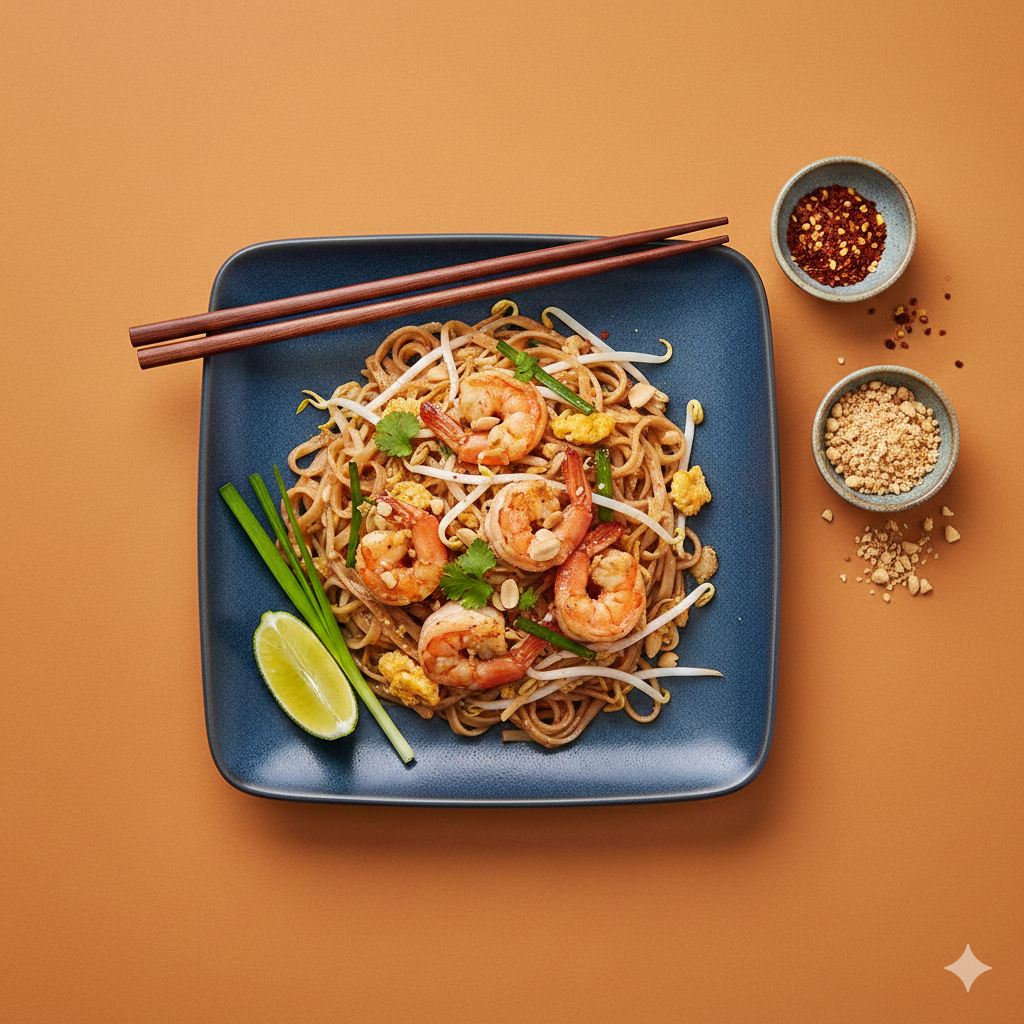
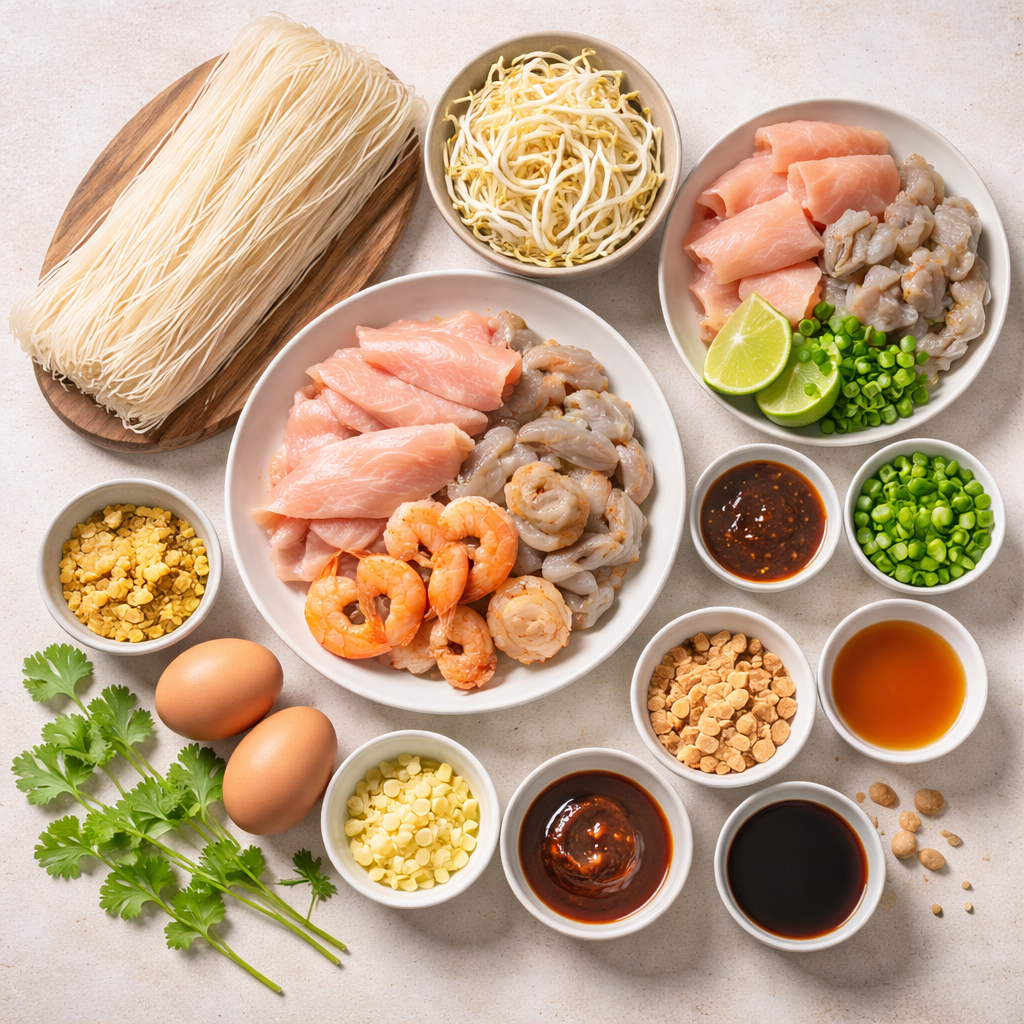
Ingredients
- 200 g rice noodles
- 2 tablespoons vegetable oil
- 2 cloves garlic, minced
- 1 or 2 eggs
- 150 g chicken breast or shrimp
- 2 tablespoons fish sauce
- 1 tablespoon tamarind paste
- 1 tablespoon palm sugar or brown sugar
- soy sauce (1 teaspoon)
- Bean sprouts
- Chopped green onions
- Crushed peanuts
- Lime wedges
Tools
- Large wok or frying pan
- Spatula or wooden spoon
- Medium bowl
- Knife and cutting board
- Measuring spoons
How To Make it Step by Step
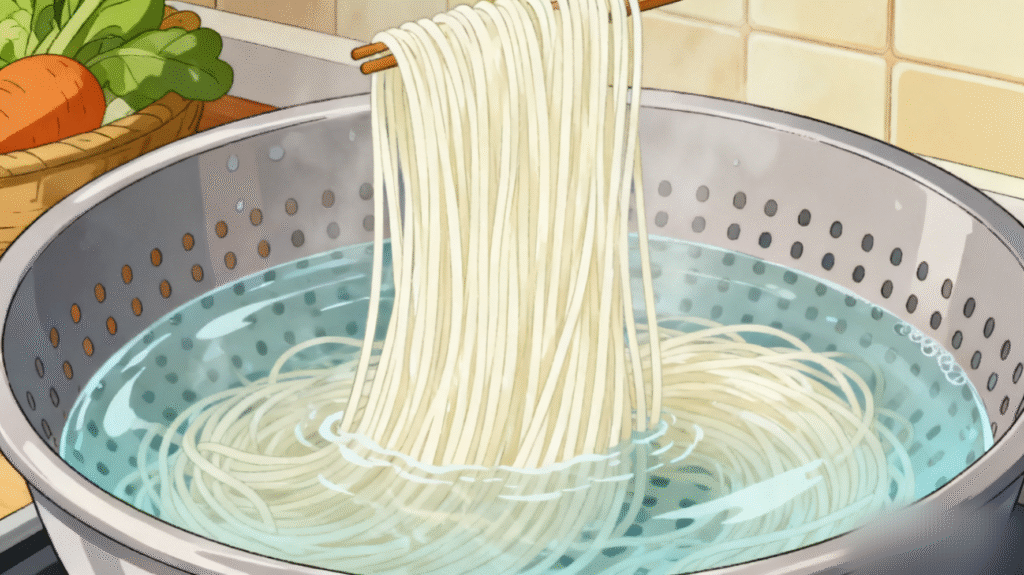
- Place rice noodles in warm water for about 20–30 minutes until softened but not mushy. Drain and set aside
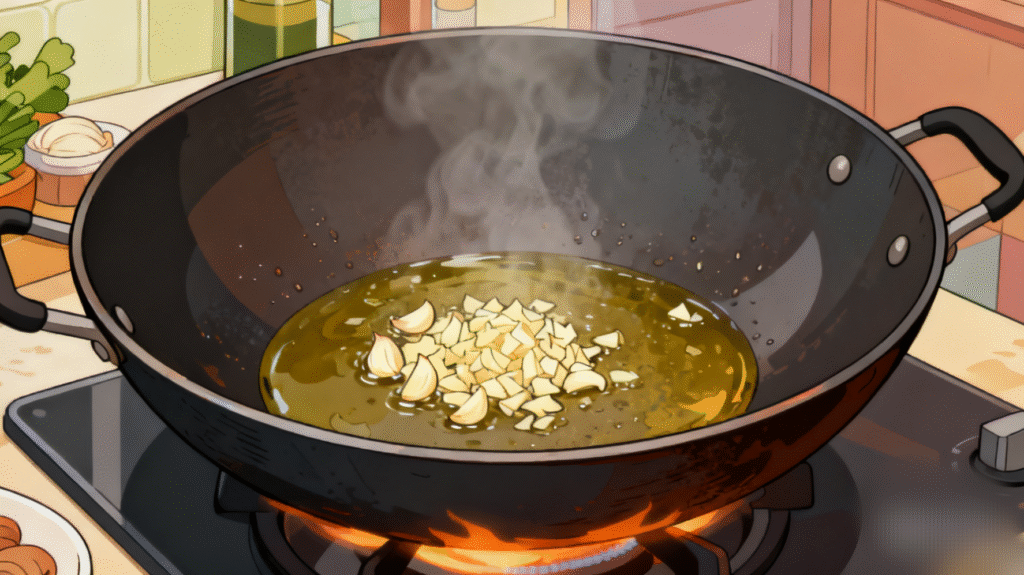
- Heat oil in a wok over medium heat, and then add garlic until fragrant
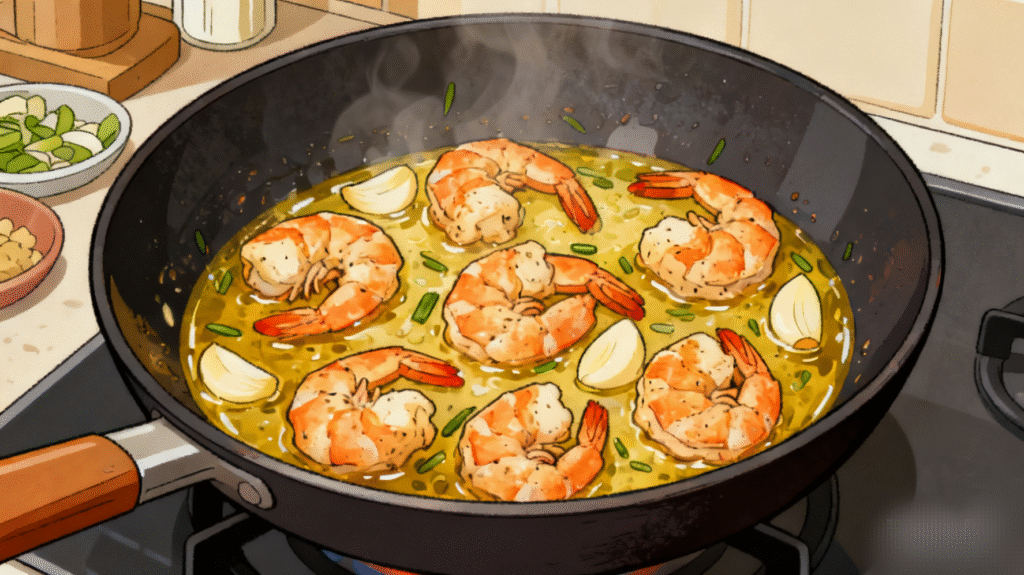
- Add shrimp or chicken and cook until fully done. Remove and set aside
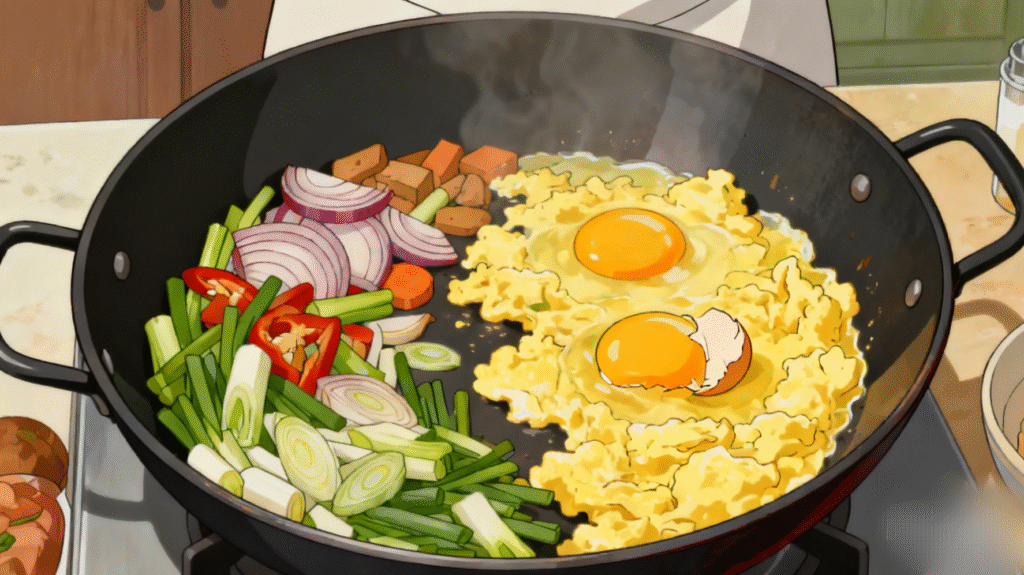
- in the same pan, add garlic and sauté briefly. Crack in the eggs and scramble until just set.
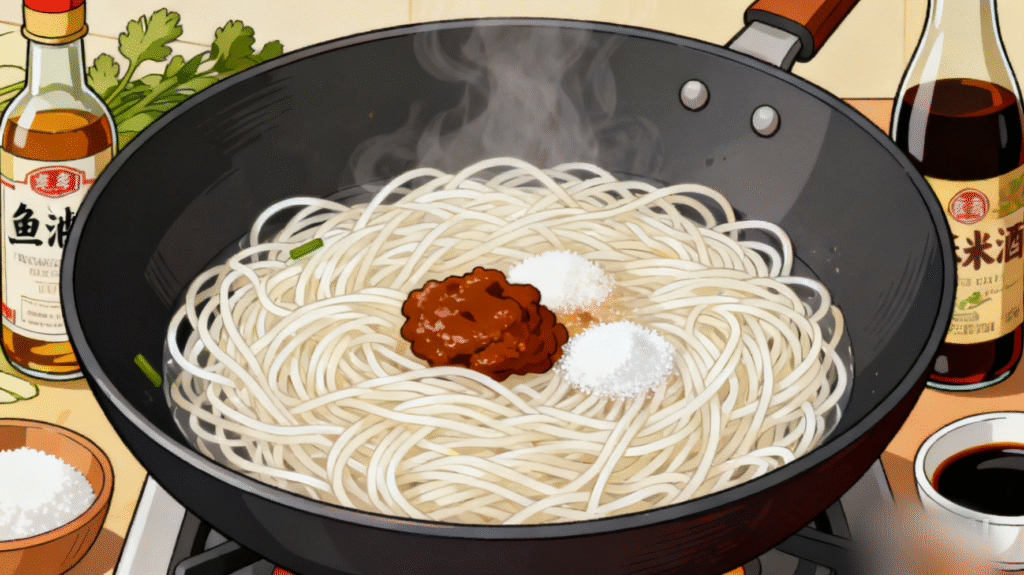
- Add soaked noodles, followed by fish sauce, tamarind paste, sugar, and soy sauce
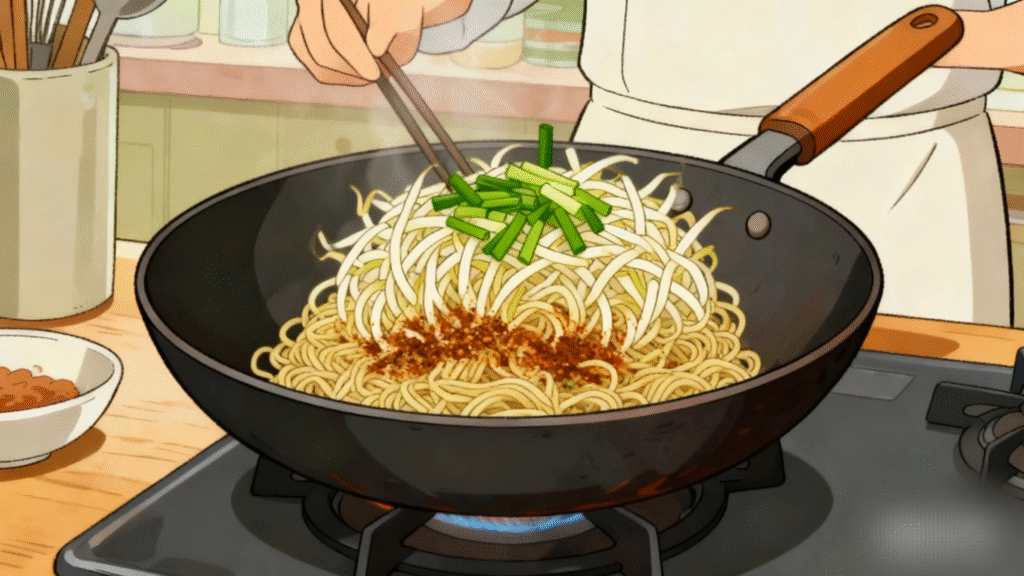
- Return protein to the pan. Add bean sprouts and green onions. Toss quickly for 1–2 minutes.
- Toss everything together until noodles absorb the sauce evenly
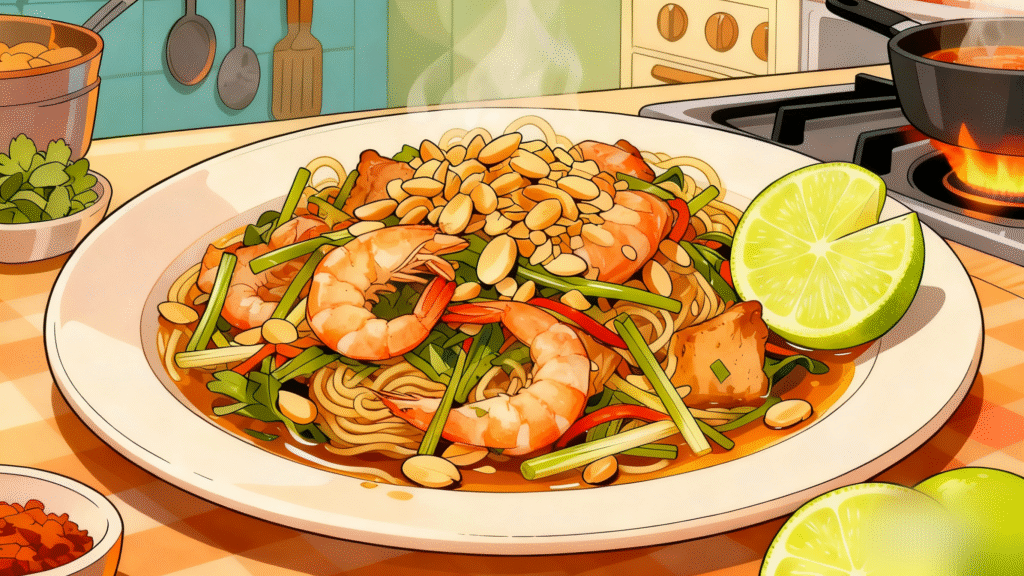
- Turn off heat and garnish with crushed peanuts and lime
Pro Tips
- Don’t over-soak noodles—they should be slightly firm
- Cook on high heat for authentic flavor
- Prepare everything before cooking (it moves fast!)
- Adjust sweetness or sourness to your taste
- Use a wok if possible for better heat distribution
- Taste the sauce before adding noodles and adjust balance
Variations
Some recipe variations you can try :
- Vegetarian Pad Thai – Replace fish sauce with soy sauce and use tofu
- Spicy Version – Add chili flakes or fresh chili
- Extra Protein – Combine shrimp and chicken
- Low-Carb Option – Use zucchini noodles
As far as I have tried, adding more protein makes the taste richer, but too much will make it too filling if eaten in large quantities, I think balance is best.
Nutrition Value
- Calories: ~420 kcal per serving
- Sugar: ~9 g
- Salt (Sodium): ~780 mg
- Carbohydrates: ~52 g
- Protein: ~18 g
- Calcium: ~120 mg
- Fiber: ~4 g
Note: Values may vary depending on portion size and ingredients used.
FAQs
Can I make Pad Thai without tamarind?
Yes, you can substitute with lime juice, but tamarind gives the authentic taste.
Can I use other noodles?
Rice noodles are recommended, but thin egg noodles can work in a pinch.
Is Pad Thai spicy?
Not naturally. Spice level depends on added chili.
Can I make Pad Thai vegetarian?
Yes, you can replace meat with tofu and use soy sauce instead of fish sauce.
Common Mistake
- Over-soaking the noodles
If you soak rice noodles too long, they turn mushy in the pan. Instead, soak them just until flexible, because they will continue cooking during stir-frying. - Using low heat
Pad Thai needs confident heat. When the pan is not hot enough, the noodles steam instead of stir-fry, so the texture becomes sticky rather than slightly chewy. - Adding too much sauce at once
Although it may look dry at first, flooding the pan with sauce makes everything soggy. Add gradually and toss quickly so the noodles absorb flavor evenly. - Skipping the balance of flavors
Pad Thai is all about sweet, salty, and sour harmony. If you forget to taste and adjust before serving, the dish can feel flat instead of vibrant. - Overcrowding the pan
When too many ingredients go in at once, they release moisture. As a result, you lose that signature stir-fried texture. Cook in batches if necessary for better results.

How to Store
Store leftover Pad Thai in an airtight container in the refrigerator for up to 2 days. Reheat using a pan with a splash of water to keep the noodles soft. However, it is best enjoyed fresh.
I personally prefer enjoying this dish while it is warm and freshly cooked. However, if there are leftovers, I separate the noodles from the meat before storing them. I place the meat in an airtight plastic bag and the noodles in a sealed container. This helps prevent the noodles from being affected if the meat spoils more quickly.
I store both in the freezer. When reheating, I warm them separately. I use an air fryer for the meat to achieve a slightly crispy texture without making it overly oily. For the noodles, I reheat them in a pan with about half a glass of water to keep them soft and pleasantly chewy.
Final Thoughts
Pad Thai might look like a complicated dish at first glance, but once you try it, you’ll realize it’s surprisingly simple—and incredibly rewarding.
It’s more than just noodles.
It’s a balance of flavors, textures, and aromas that come together in one unforgettable dish.
And the best part? You made it yourself.
Keyword : easy pad thai recipe, homemade pad thai, thai noodle recipe, quick asian dinner, street food pad thai
Asian bread Breakfast cake Cheese Cold Dessert Detox Diet Dinner Drinks Easy food Halal Healthy homemade hot Indonesian Italian Japanese K-Food Low Calory Meal Noodle Omelette Pasta Popular Ramen Simple snacks Soup Street Food Sweet Thai Tiktok viral