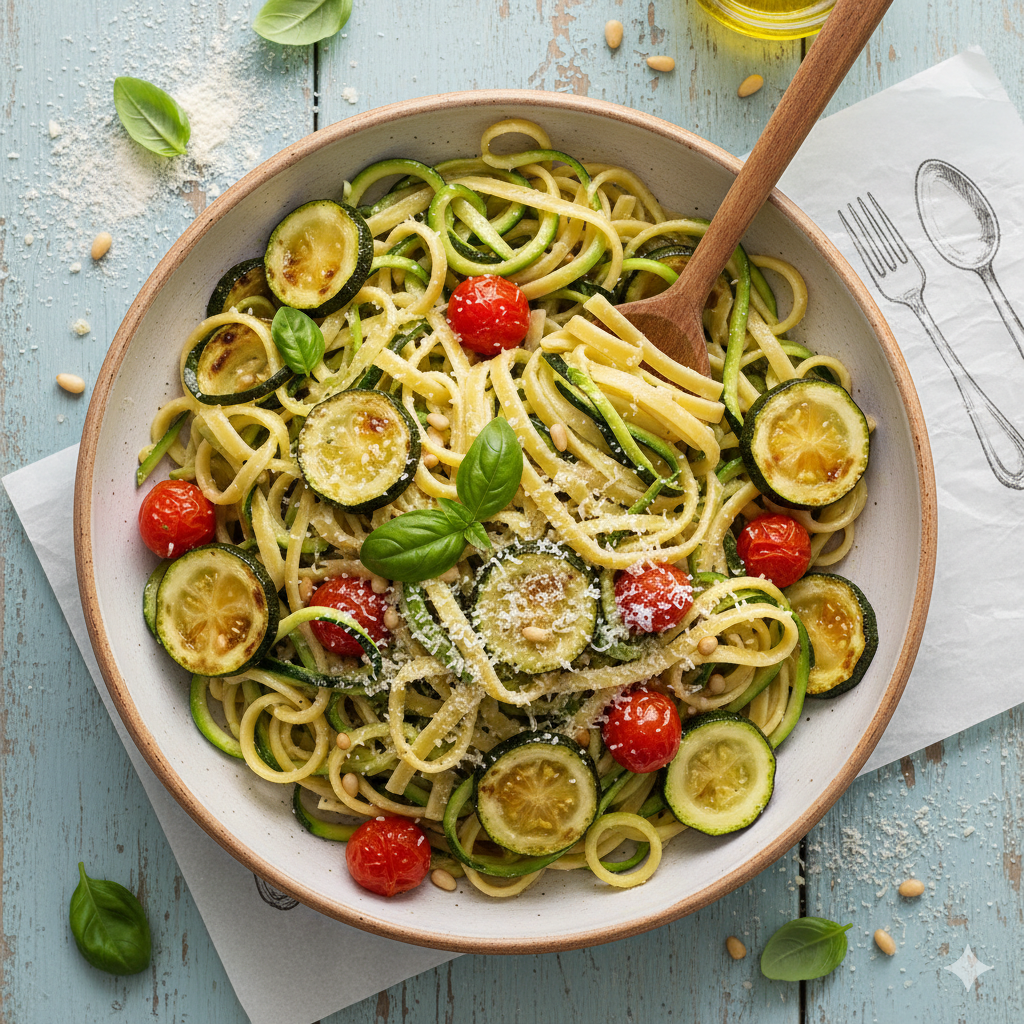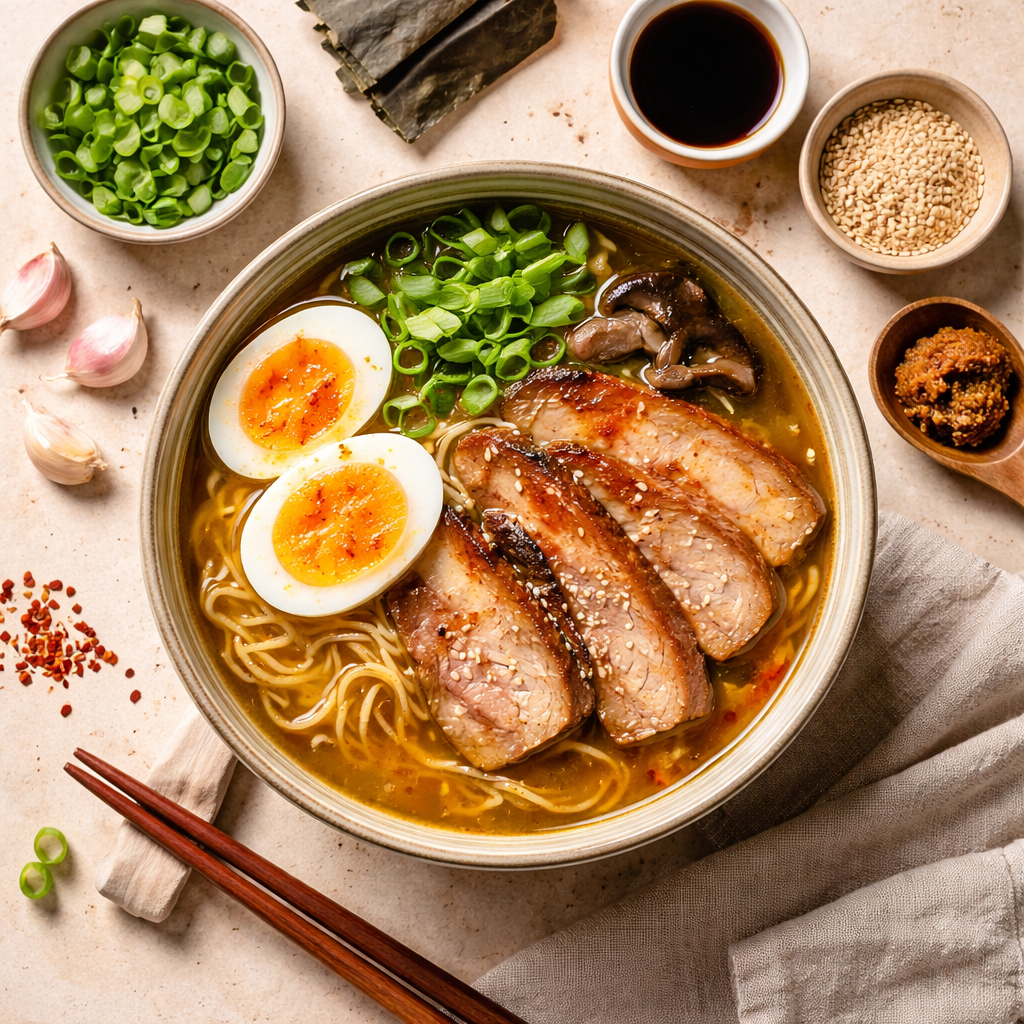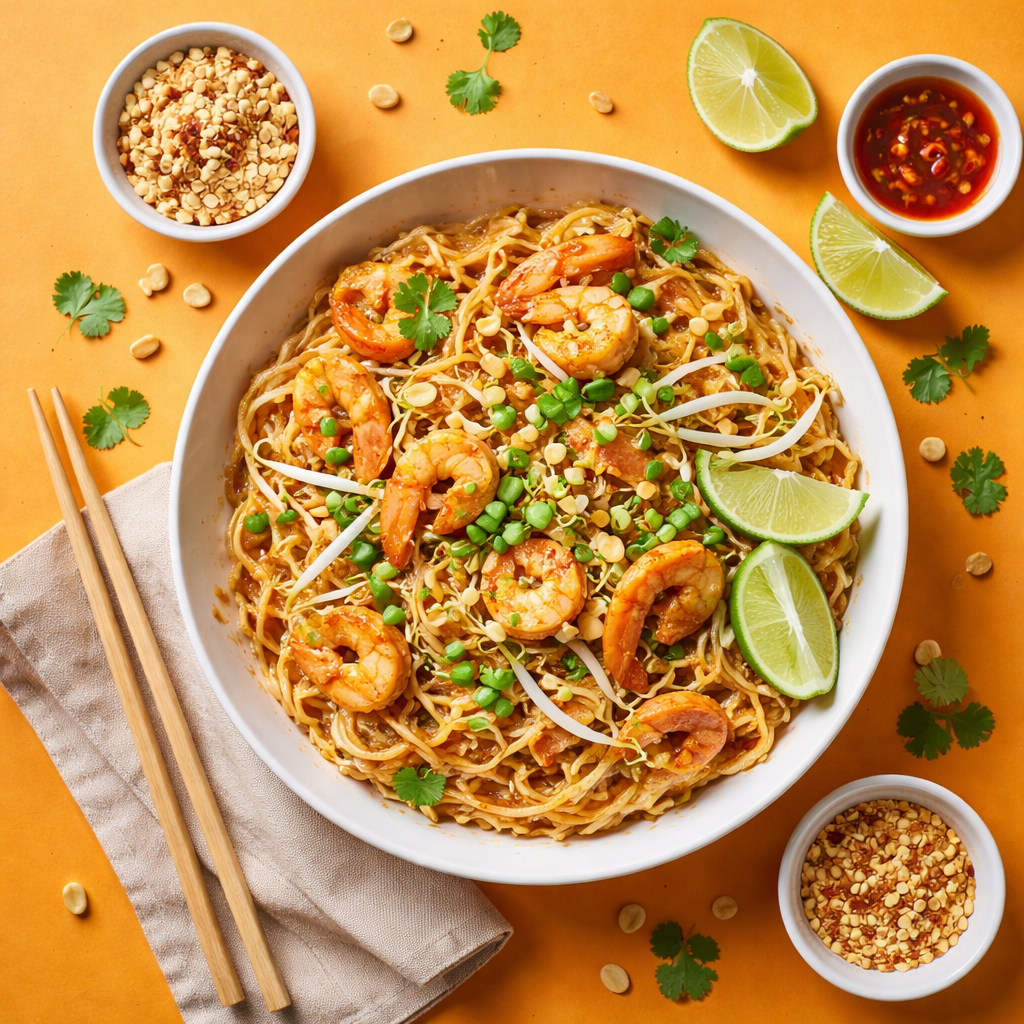
Pad Thai is not just a dish, it is a global mood. This iconic Thai street food has officially crossed borders, timelines, and dinner tables. Because it is savory, slightly sweet, tangy, and deeply comforting, Pad Thai feels like a warm hug in noodle form. Moreover, this easy Pad Thai recipe is designed for busy people who still want bold flavors without complicated steps.
Whether you are craving late-night comfort food or planning a casual dinner with friends, this recipe fits perfectly. In addition, it uses simple ingredients that are easy to find, while still keeping that authentic Thai vibe. So, if you have ever thought Pad Thai was too complex to make at home, this recipe will happily prove you wrong.

History of Pad Thai
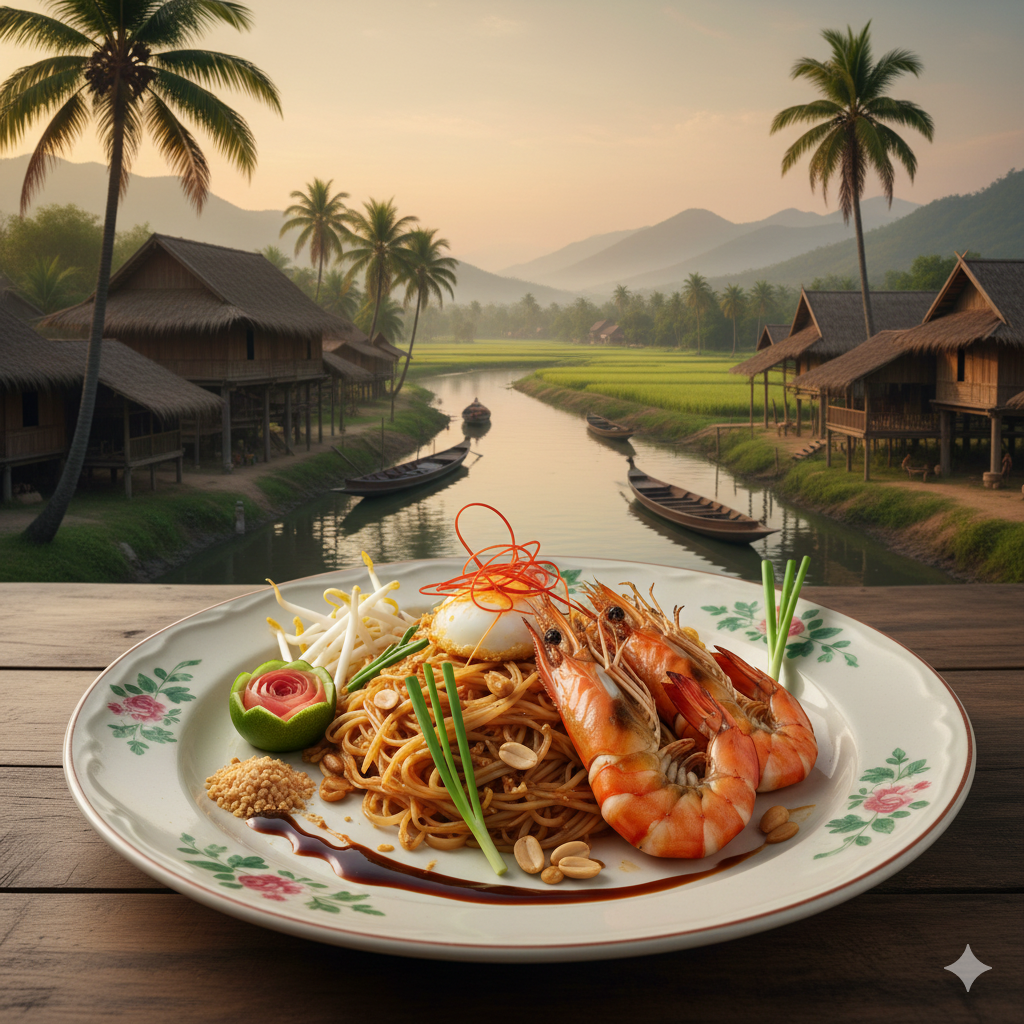
Pad Thai is more than just a popular noodle dish; it is a symbol of modern Thai cuisine with a fascinating backstory. The recipe became widely known in the 1930s–1940s during a period when Thailand was promoting national identity and local food culture. At that time, rice noodles were encouraged as a staple, and Pad Thai emerged as an affordable, nutritious, and flavorful street food that could be enjoyed by everyone. Because of this, it quickly spread from humble street stalls to households across the country.
In essence, Pad Thai is a stir-fried rice noodle dish that balances sweet, salty, sour, and umami flavors in one pan. The combination of tamarind paste, fish sauce, sugar, protein, and fresh garnishes creates a taste that feels bold yet comforting. Moreover, its simplicity allows endless customization, which is why Pad Thai remains timeless, viral, and loved worldwide today.
Why You should try
You should try this Pad Thai recipe because it delivers restaurant-level flavor without the stress. It is quick, beginner-friendly, and incredibly satisfying, especially when you want something comforting yet exciting. Moreover, the balance of sweet, savory, and tangy flavors makes every bite feel intentional, not accidental, so it never gets boring.
In addition, this recipe is highly flexible. You can easily switch proteins, adjust spice levels, or even make it vegetarian, while still keeping the iconic Pad Thai character. Because it uses simple ingredients and one pan, it fits perfectly into busy lifestyles. Once you try it, you will understand why Pad Thai is not just food, but a craving that keeps coming back.
Why It’s so Famous
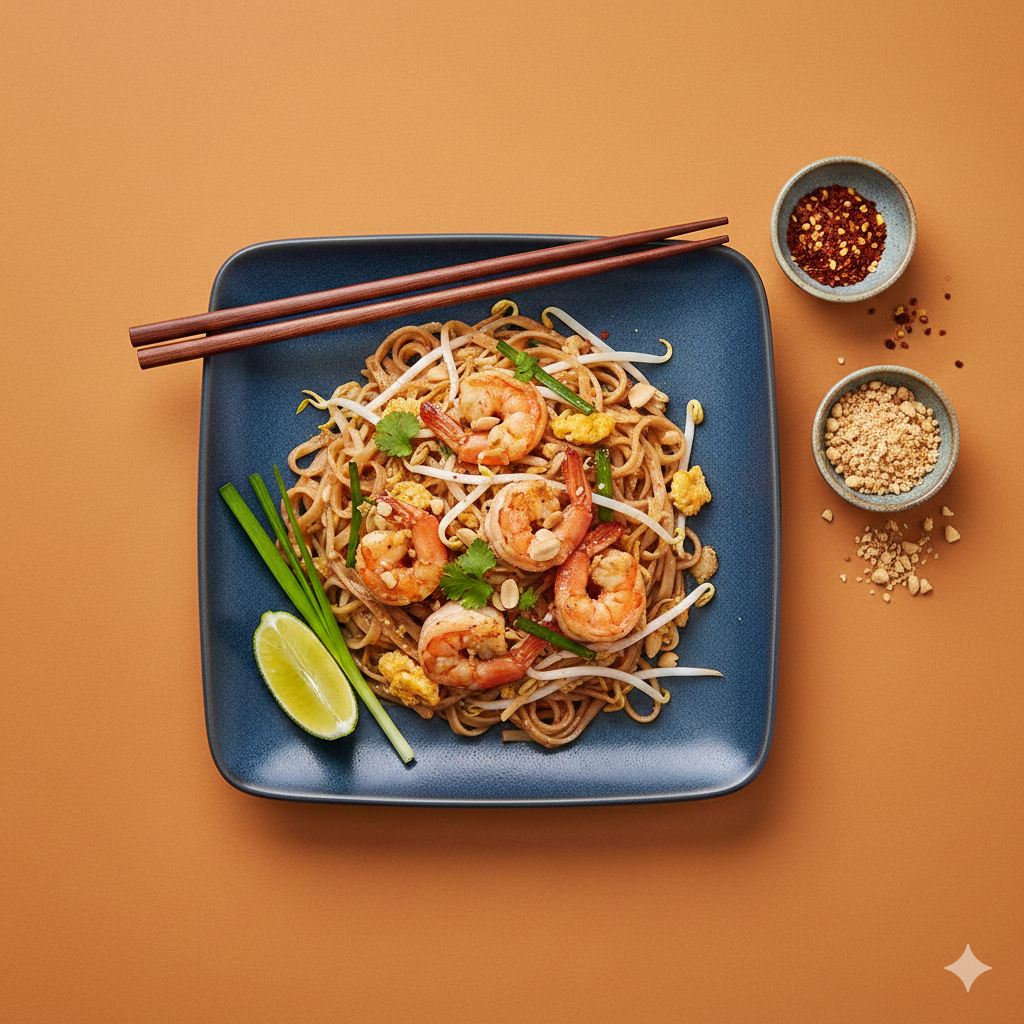
Pad Thai is Famous because it hits the perfect intersection of flavor, culture, and visual appeal. The glossy noodles, vibrant shrimp, crushed peanuts, and fresh lime make it instantly scroll-stopping on social media. Moreover, it looks indulgent without being intimidating, which makes people think, “I can actually cook this,” and that feeling spreads fast.
In addition, Pad Thai carries a strong street-food narrative that Gen Z loves. It feels authentic, global, and nostalgic all at once. Because it is easy to customize and quick to cook, creators keep remixing it, while viewers keep saving it. As a result, Pad Thai stays trending not just as a dish, but as a comfort-food icon that never leaves the feed.
Nutrition Value
- Calories: ~420 kcal per serving
- Sugar: ~9 g
- Salt (Sodium): ~780 mg
- Carbohydrates: ~52 g
- Protein: ~18 g
- Calcium: ~120 mg
- Fiber: ~4 g
Note: Values may vary depending on portion size and ingredients used.
Ingredients
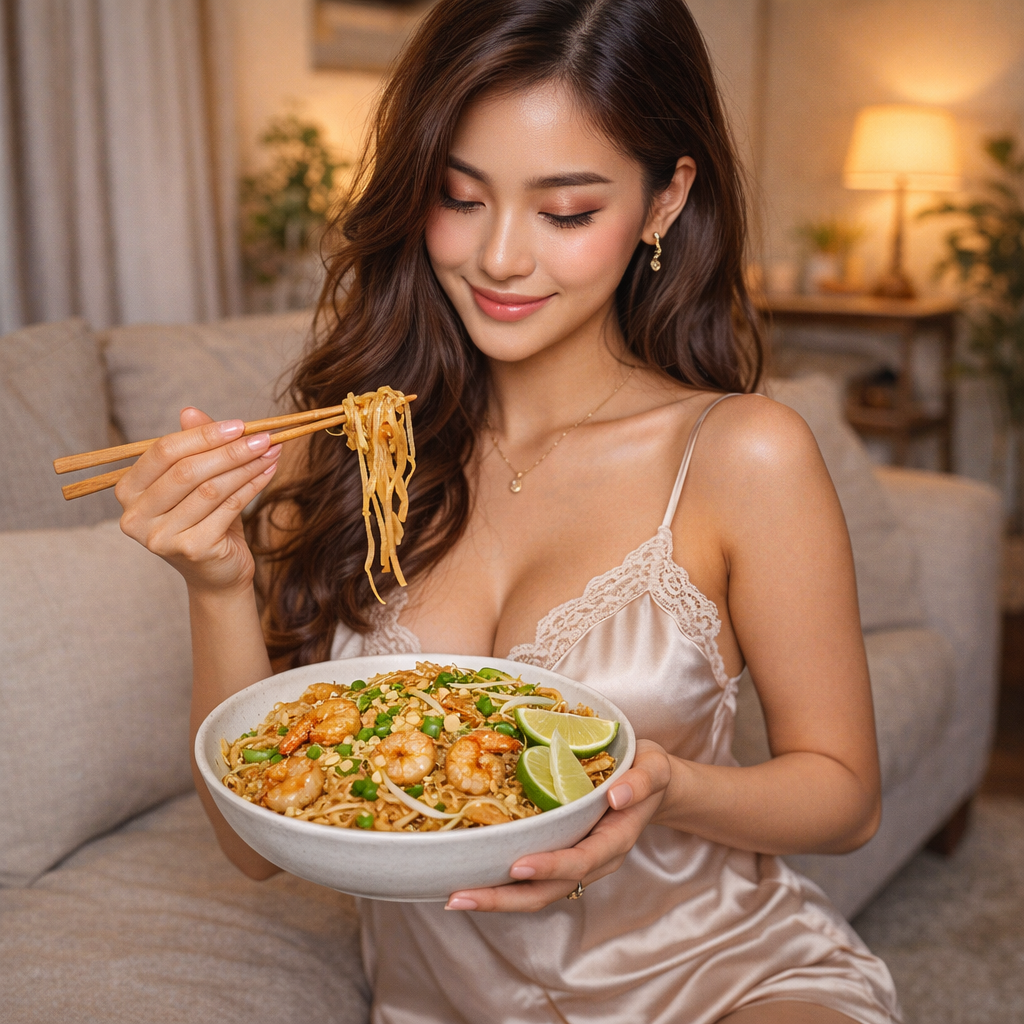
- 200 g rice noodles
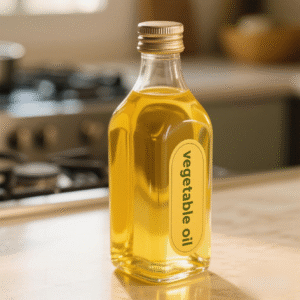
- 2 tablespoons vegetable oil
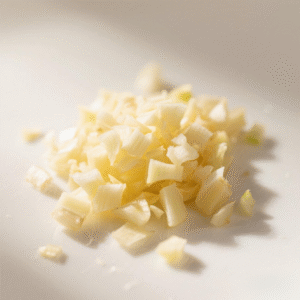
- 2 cloves garlic, minced
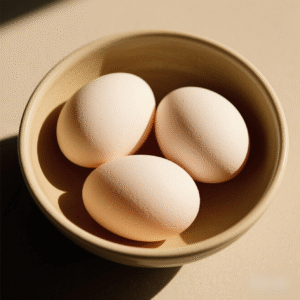
- 1 or 2 eggs
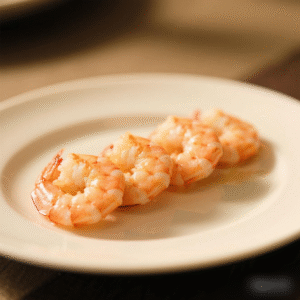
- 150 g chicken breast or shrimp
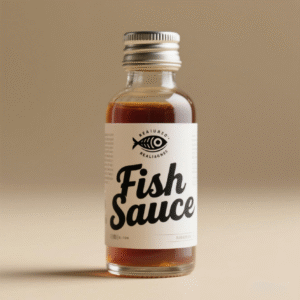
- 2 tablespoons fish sauce
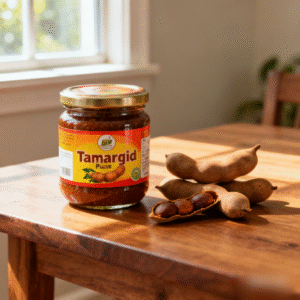
- 1 tablespoon tamarind paste
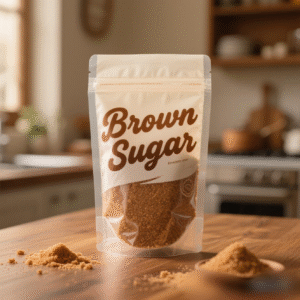
- 1 tablespoon palm sugar or brown sugar
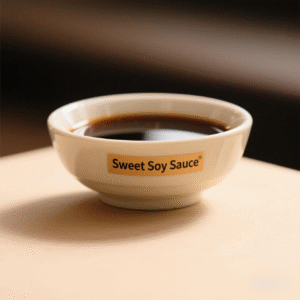
- soy sauce (1 teaspoon)
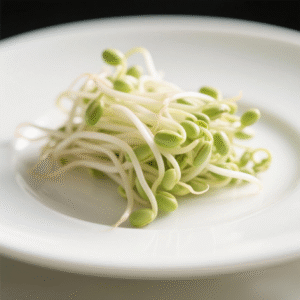
- Bean sprouts
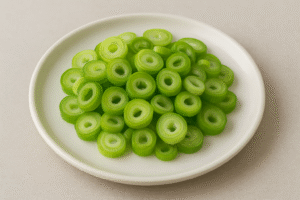
- Chopped green onions
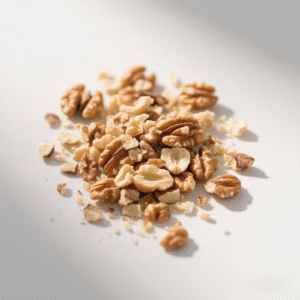
- Crushed peanuts
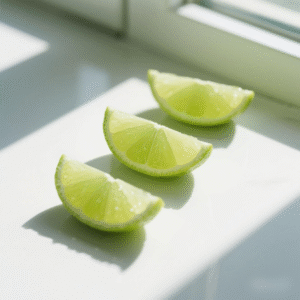
- Lime wedges
Tools
- Large wok or frying pan
- Spatula or wooden spoon
- Medium bowl
- Knife and cutting board
- Measuring spoons
How To Make it Step by Step
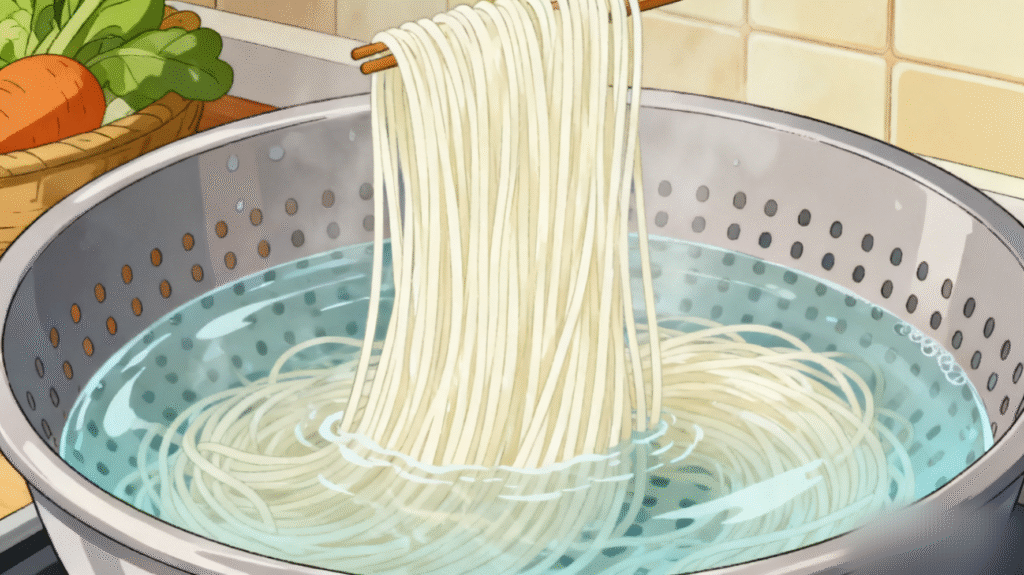
- Soak rice noodles in warm water until soft, then drain and set aside
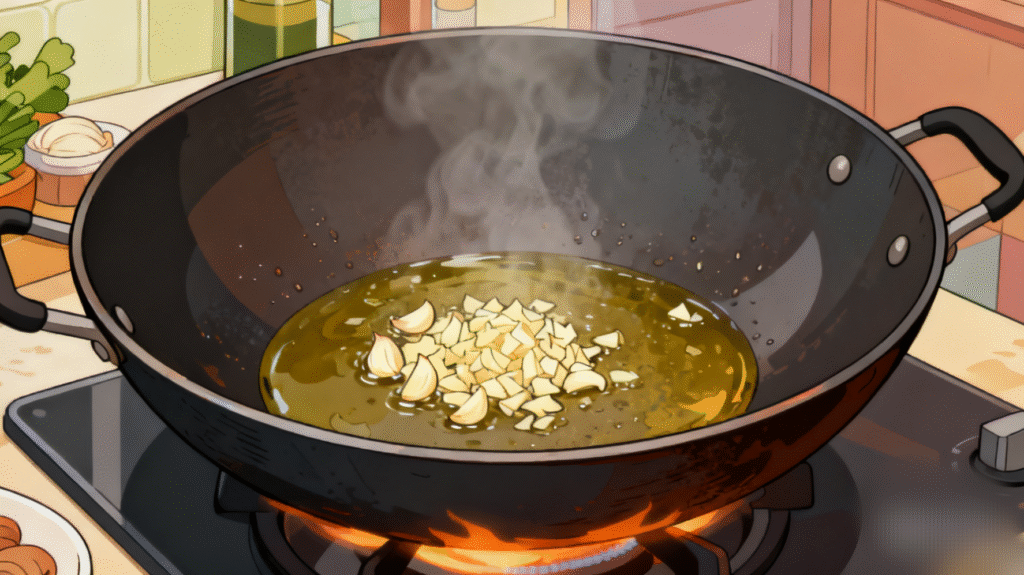
- Heat oil in a wok over medium heat, and then add garlic until fragrant
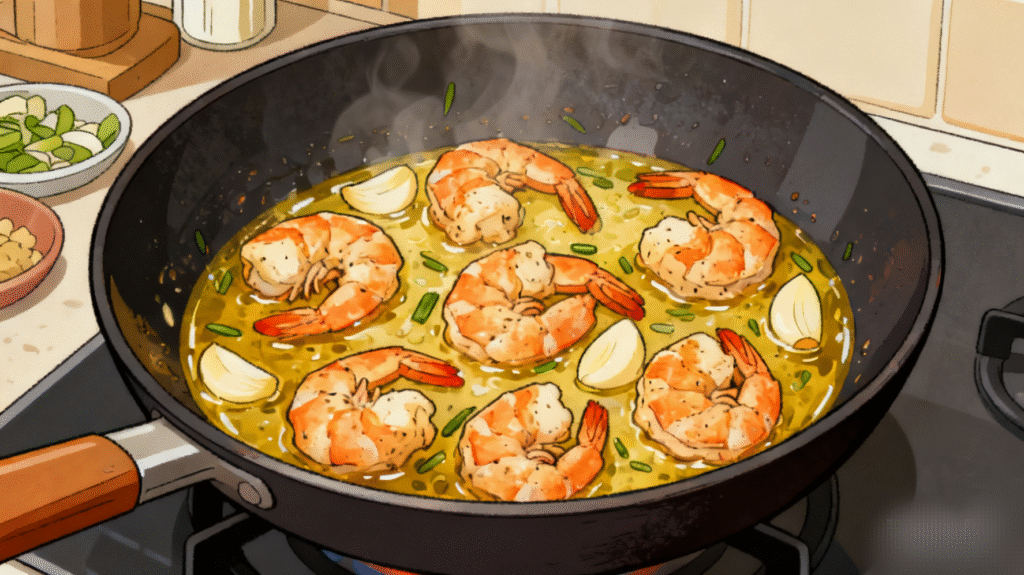
- Add chicken or shrimp, and cook until fully done
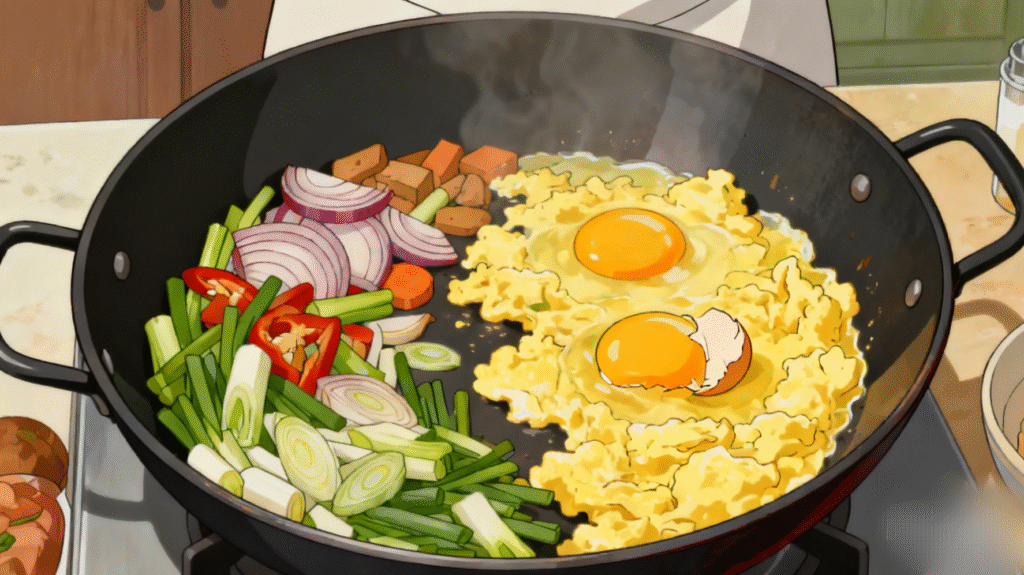
- Push everything to one side, crack in the eggs, and scramble gently
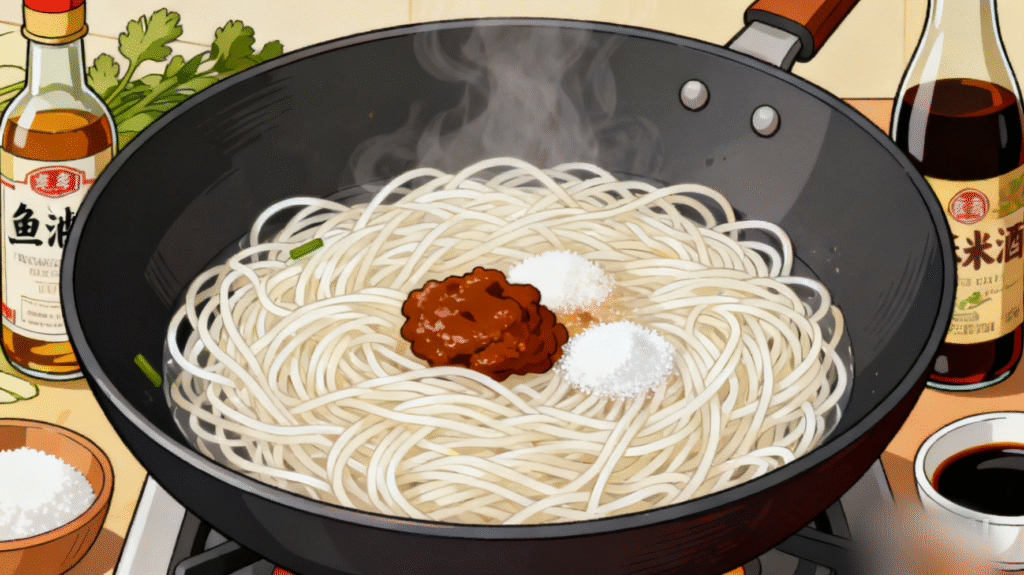
- Add soaked noodles, followed by fish sauce, tamarind paste, sugar, and soy sauce
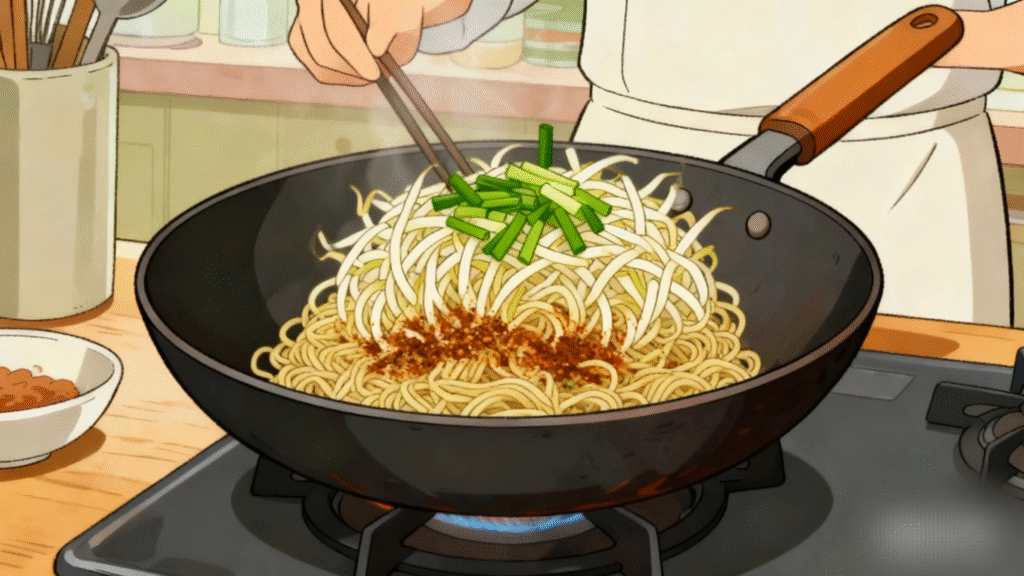
- Toss everything together until noodles absorb the sauce evenly
- Add bean sprouts and green onions, then stir briefly
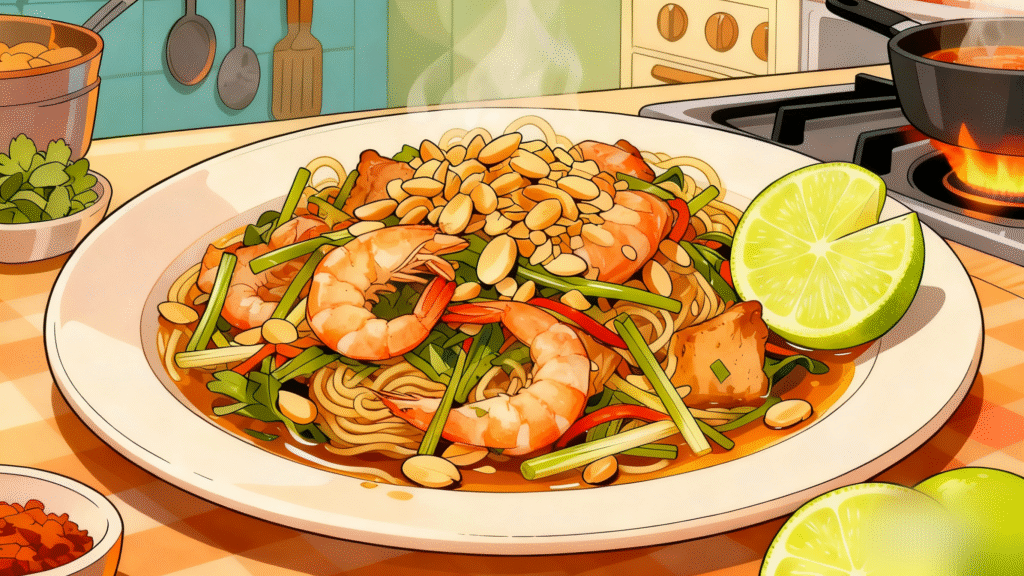
- Turn off heat and garnish with crushed peanuts and lime
How to Store
Store leftover Pad Thai in an airtight container in the refrigerator for up to 2 days. Reheat using a pan with a splash of water to keep the noodles soft. However, it is best enjoyed fresh.
Cooking Tips
- Do not over-soak noodles because they will finish cooking in the pan
- Cook on medium-high heat for better texture
- Taste the sauce before adding noodles and adjust balance
- Fresh lime juice at the end boosts flavor instantly
FAQs
Can I make Pad Thai vegetarian?
Yes, you can replace meat with tofu and use soy sauce instead of fish sauce.
Is Pad Thai spicy?
Traditionally mild, however you can add chili flakes if you love heat.
Can I use other noodles?
Rice noodles are best, but flat rice noodles work well too.
Conclusion
This easy Pad Thai recipe proves that homemade comfort food can still feel exciting. Because it is fast, flavorful, and customizable, it deserves a permanent spot in your weekly rotation. Moreover, once you master this recipe, you will never look at takeout the same way again. So grab your wok, trust the process, and let your kitchen smell like a Thai street market tonight.
Keyword : easy pad thai recipe, homemade pad thai, thai noodle recipe, quick asian dinner, street food pad thai
Asian bread Breakfast Cheese Cold Dessert Detox Diet Dinner Drinks Easy food Healthy hot Italian Japanese Low Calory Meal Noodle Omelette Pasta Popular Ramen Simple snacks Soup Street Food Sweet Thai Tiktok viral