Some desserts don’t need fancy decorations to steal the spotlight. They simply win your heart with warmth.
The first time I tried Nagasari, I honestly wasn’t expecting much. It looked so simple, wrapped neatly inside a banana leaf with no colorful toppings or dramatic layers. But one bite completely changed my mind. The creamy coconut pudding, the naturally sweet banana, and the fresh aroma from the banana leaf felt like opening a tiny gift from Indonesia.
Even today, Nagasari reminds me that the most unforgettable food is often the simplest.
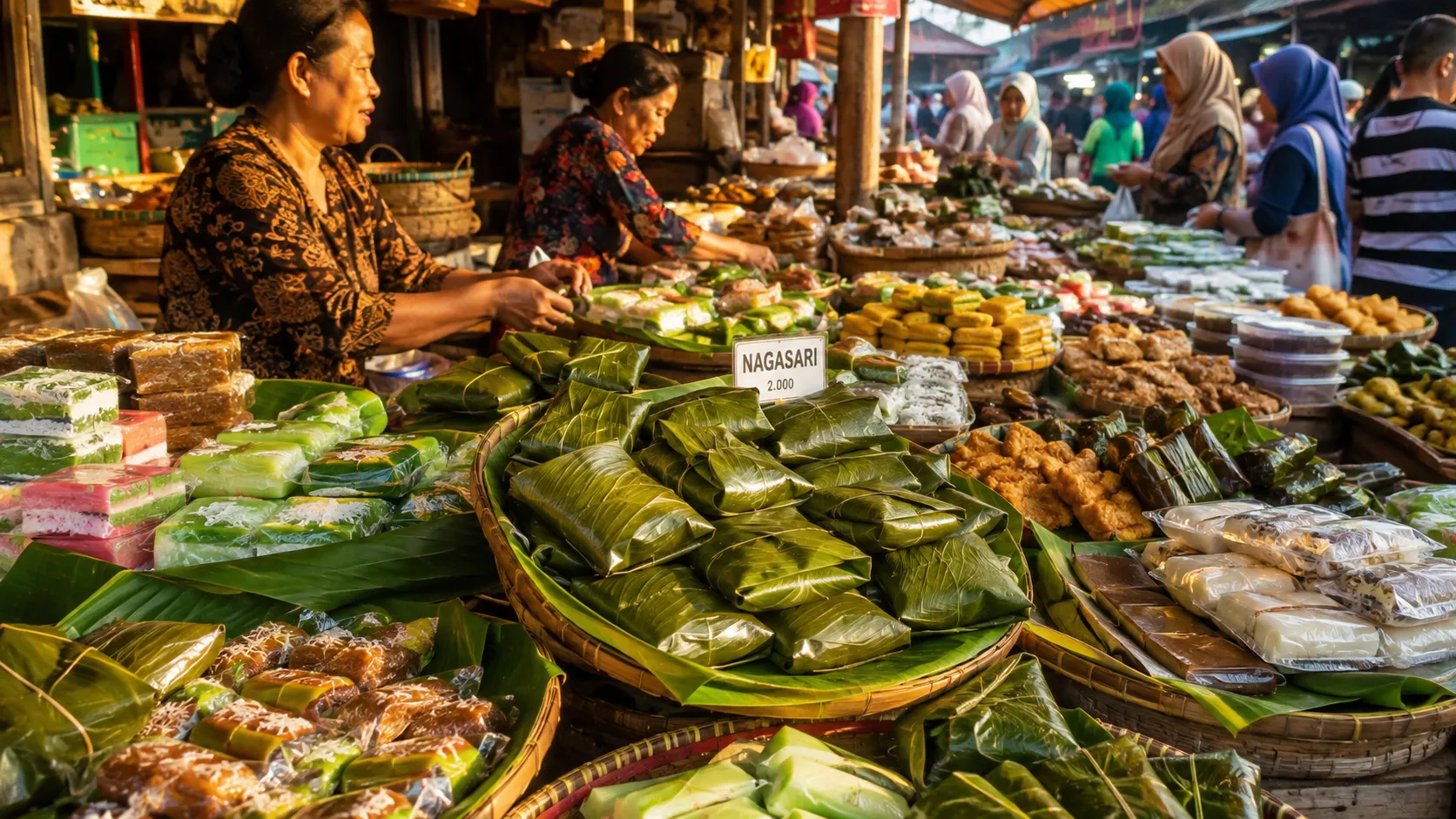
The first time I came across nagasari was while I was studying at university in Yogyakarta. It wasn’t a traditional snack I often saw growing up, so I was immediately curious when I spotted these neat little banana leaf parcels at a local market. I had no idea what was inside, but they looked too interesting to pass up.
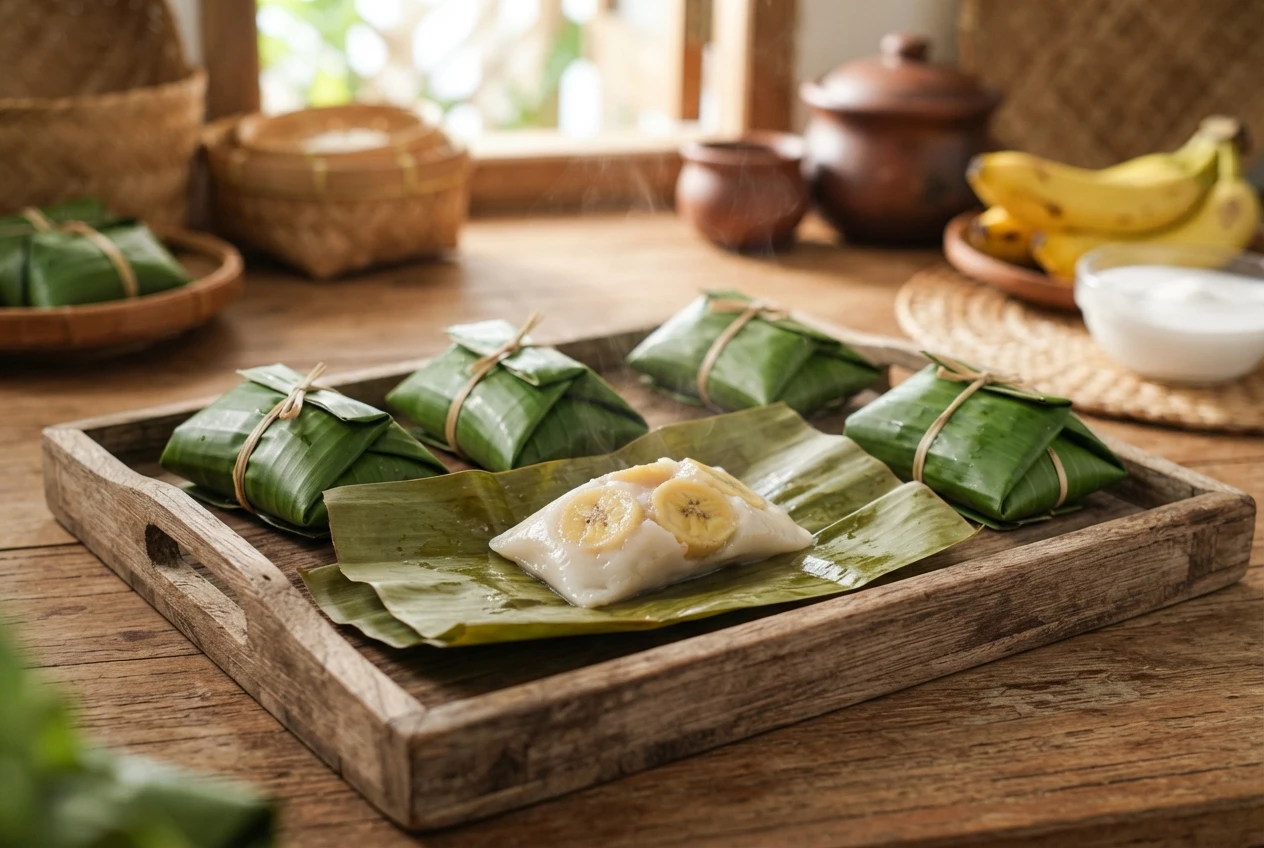
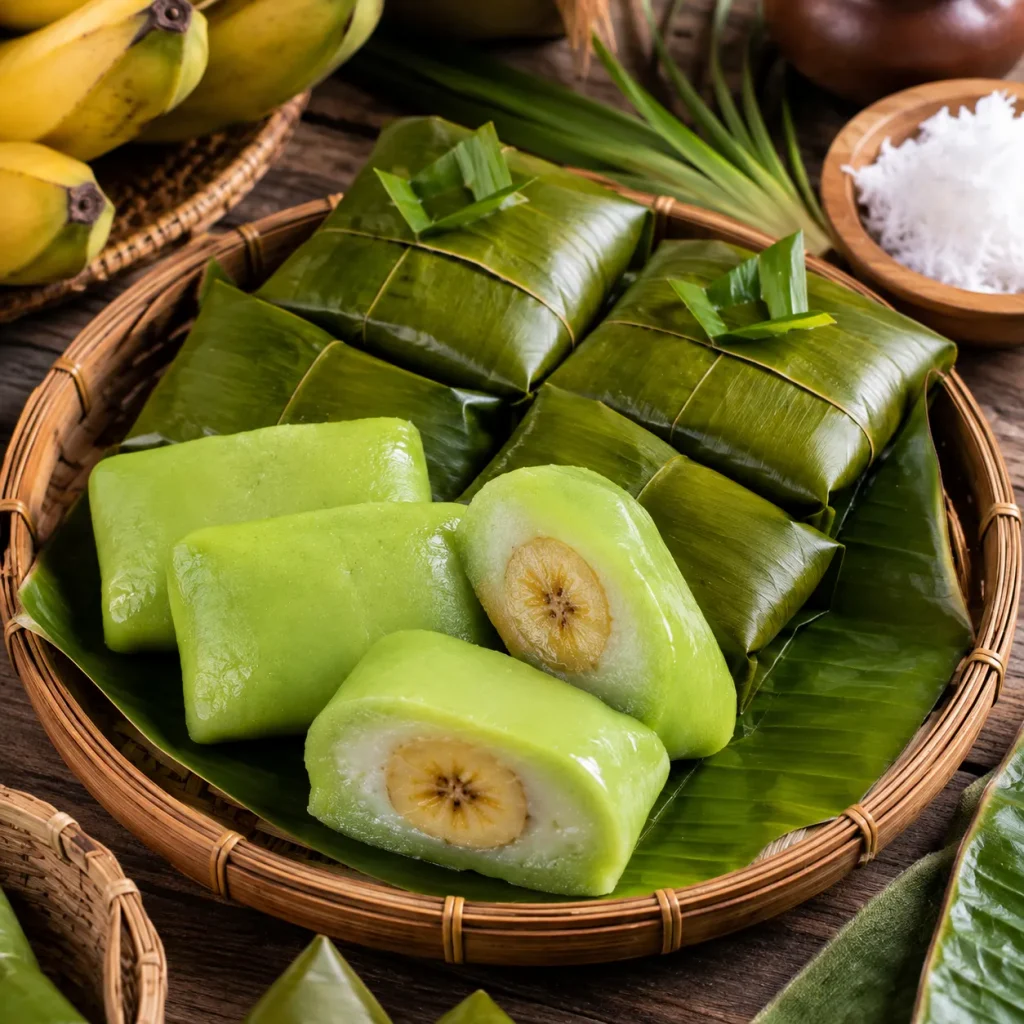
When I unwrapped one, I found a soft, creamy rice cake with a whole piece of banana tucked inside. The combination of the fragrant banana leaf, the gentle sweetness of the cake, and the naturally sweet banana filling was unlike anything I had tried before. It was simple, comforting, and surprisingly satisfying. Even now, whenever I make nagasari, it reminds me of those days exploring traditional markets and discovering new Indonesian snacks one bite at a time.
If you’ve never heard of Nagasari before, don’t worry. This traditional Indonesian snack is surprisingly easy to make, beginner-friendly, and absolutely worth adding to your homemade dessert collection.
What is Nagasari?
Nagasari is a traditional Indonesian steamed cake made from silky coconut milk batter and ripe bananas, then wrapped inside banana leaves before steaming.
Unlike many Western cakes, Nagasari isn’t baked. Instead, it’s gently steamed, giving it an incredibly soft and creamy texture that almost melts in your mouth.
Across Indonesia, you’ll find Nagasari at:
- Traditional morning markets
- Family celebrations
- Religious festivals
- Afternoon tea gatherings
- Homemade snack platters
Its delicate sweetness makes it popular among both children and adults.
Why You Should Try Nagasari
There are countless banana desserts around the world, but Nagasari offers something completely different.
Instead of relying on butter or heavy cream, it uses rich coconut milk that creates an incredibly smooth texture while keeping the dessert light.
Here are a few reasons to give it a try:
- Naturally gluten-free
- Beginner-friendly recipe
- Affordable ingredients
- Authentic Indonesian flavor
- Soft and creamy texture
- Beautiful banana leaf presentation
- Great for breakfast, snacks, or dessert
If you enjoy discovering foods from different cultures, Nagasari is a delicious way to experience Indonesian cuisine at home.
Why You’ll Love This Nagasari Recipe
This recipe is designed especially for beginners around the world.
You’ll love it because:
- No oven required
- Simple ingredients
- Easy-to-follow steps
- Naturally fragrant
- Not overly sweet
- Family-friendly
- Great for meal prep
- Looks impressive despite being easy
Whether you’re making Indonesian food for the first time or recreating childhood memories, this recipe delivers consistent results.
Ingredients
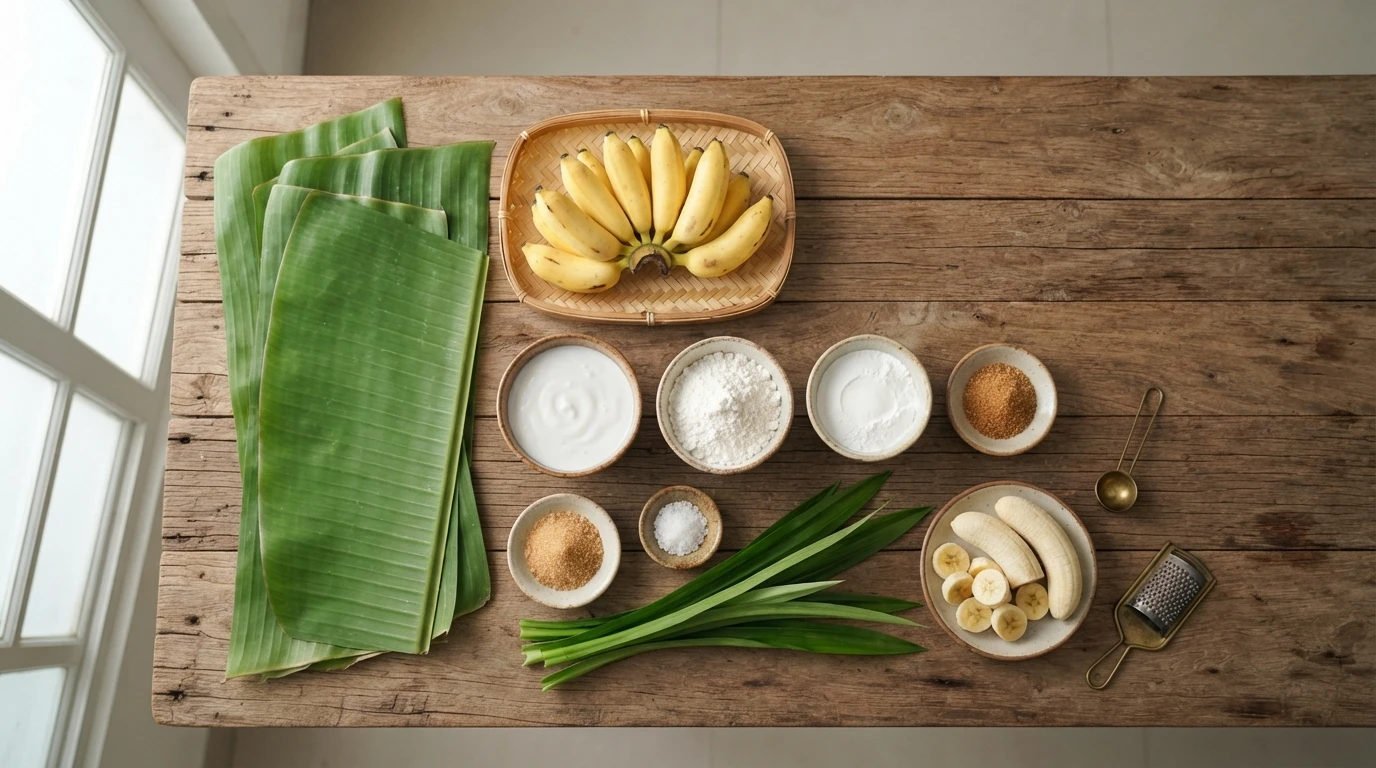
For the Batter
- 500 ml coconut milk
- 120 g rice flour
- 30 g cornstarch
- 80 g sugar
- ¼ tsp salt
- 1 pandan leaf (optional)
Filling
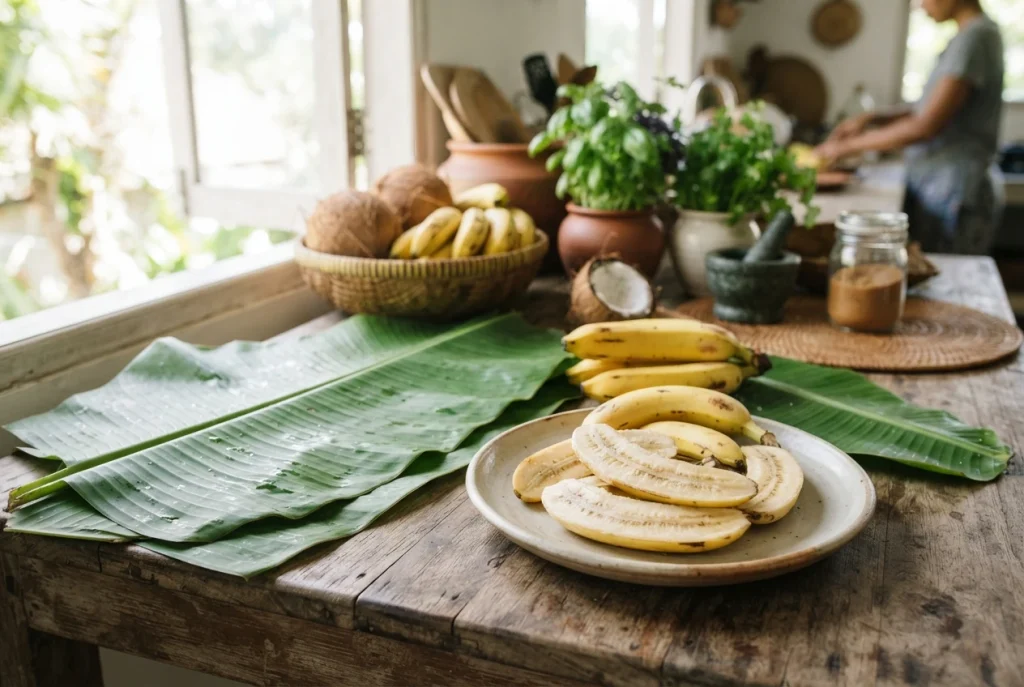
- 4 ripe bananas (Raja, Kepok, or small Cavendish)
- Cut each banana into halves
Wrapping
- Banana leaves
- Toothpicks or kitchen twine
Tools
- Mixing bowl
- Whisk
- Saucepan
- Steamer
- Spoon
- Banana leaf
- Knife
- Cutting board
How to Make Nagasari Step-by-Step

Step 1. Prepare the Batter
- Mix the rice flour, cornstarch, sugar, and salt in a saucepan.
- Gradually pour in the coconut milk while whisking continuously until smooth.
- Add the pandan leaf if using.
- Cook over medium-low heat while stirring until the batter thickens into a smooth pudding consistency.
- Let it cool for about 10 minutes.
Step 2. Prepare the Banana Leaves and Bananas
- Briefly heat the banana leaves over low heat or hot water until flexible.
- Cut them into rectangles.
- Peel and cut the bananas in half.
Step 3. Assemble the Nagasari
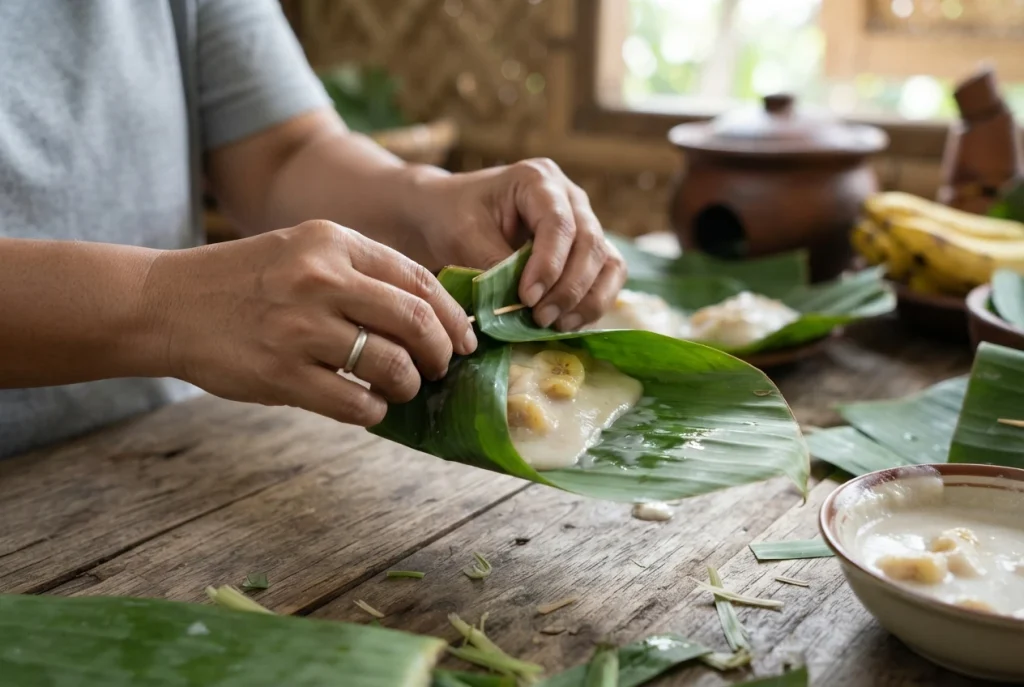
- Spread several spoonfuls of batter onto the banana leaf.
- Place one piece of banana in the center.
- Cover it with more batter until the banana is fully hidden.
- Fold the banana leaf into a neat package and secure both ends.
Step 4. Steam Until Perfect
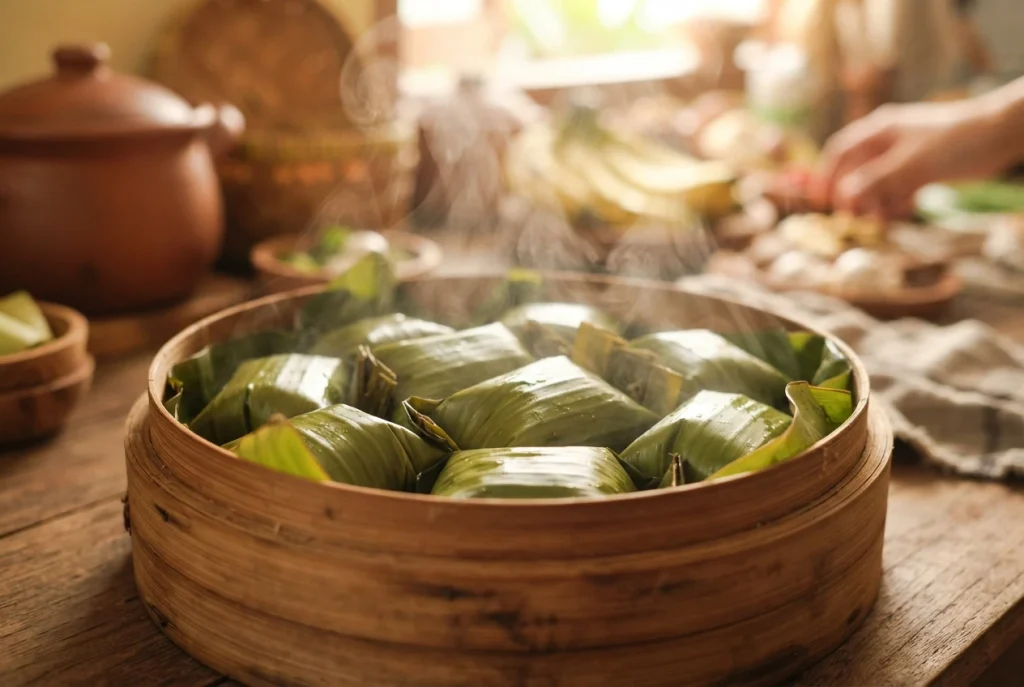
- Arrange the wrapped Nagasari inside a steamer.
- Steam for 30-35 minutes over medium heat.
- Remove from the steamer and let them cool before serving.
- The texture will become firmer as they cool.
Pro Tips
- Use ripe bananas for natural sweetness.
- Don’t overcook the batter before wrapping.
- Stir continuously to avoid lumps.
- Wipe excess water from the steamer lid to prevent dripping.
- Let the cakes cool before unwrapping.
- Fresh banana leaves provide the best aroma.
- Steam over medium heat instead of high heat.
Variations
There are many delicious ways to customize this classic Indonesian treat.
- Chocolate Nagasari: Add chocolate chips or cocoa powder to the batter.
- Jackfruit Nagasari: Mix fresh jackfruit slices with the banana filling.
- Pandan Nagasari: Blend pandan leaves with the coconut milk for a beautiful natural green color.
- Cheese Nagasari: Sprinkle shredded cheddar cheese over the banana before wrapping.
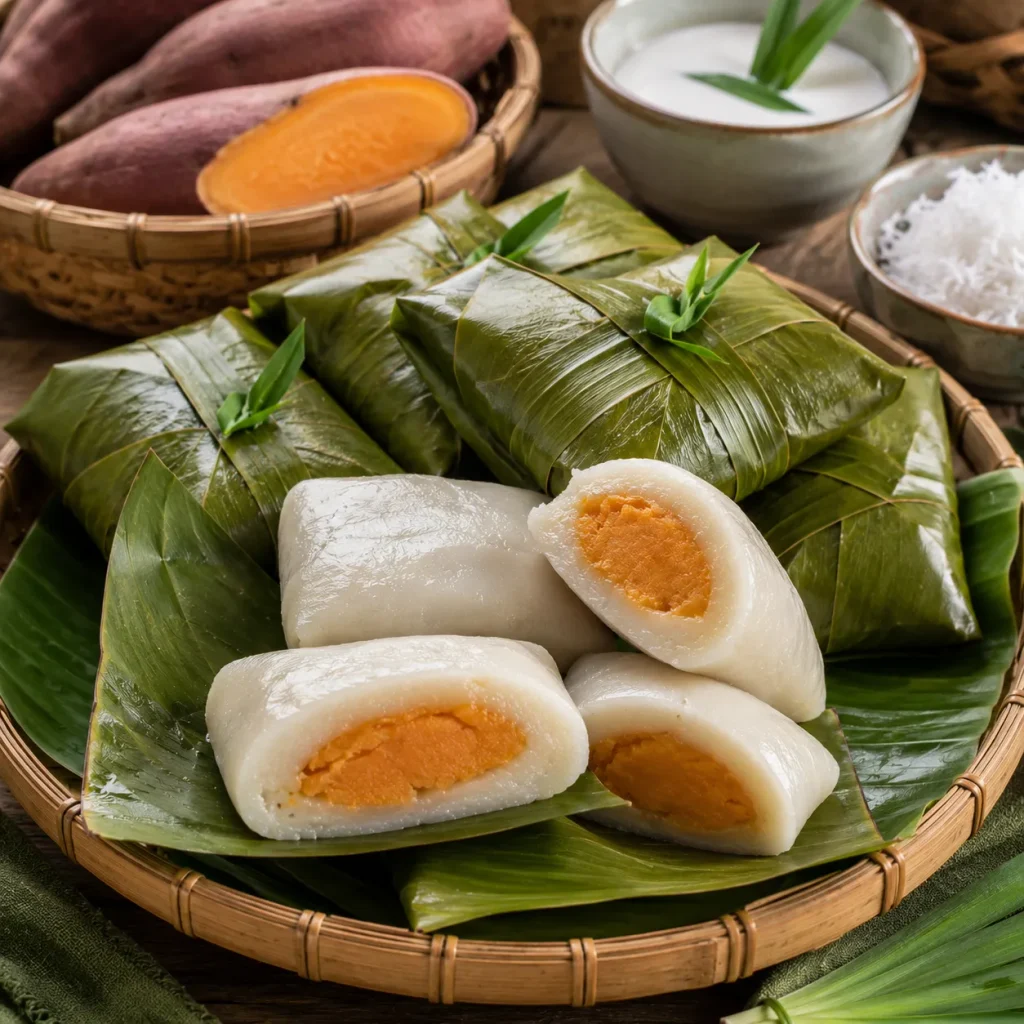
- Sweet Potato Version: Replace banana with steamed sweet potato slices for a unique twist.
Indonesian Snack Culture
Nagasari is part of a beloved group of Indonesian traditional snacks known as jajanan pasar, or market snacks.
These treats are commonly sold in local markets early in the morning and enjoyed with coffee or tea. Many recipes use natural ingredients like coconut, banana, rice flour, and palm sugar, reflecting Indonesia’s rich tropical agriculture and culinary heritage.
Trying Nagasari is more than making a dessert. It’s a delicious way to experience a small piece of Indonesian culture from your own kitchen.
Nagasari Nutrition Value
| Nutrient | Per Serving |
|---|---|
| Calories | 190 kcal |
| Carbohydrates | 33 g |
| Protein | 3 g |
| Fat | 6 g |
| Saturated Fat | 5 g |
| Fiber | 2 g |
| Sugar | 13 g |
| Sodium | 95 mg |
| Potassium | 270 mg |
| Calcium | 35 mg |
Nutrition values are approximate.
FAQs
Can I use regular milk?
Coconut milk creates the authentic flavor, so regular milk isn’t recommended.
What bananas work best?
Raja and Kepok bananas are traditional, but Cavendish also works well.
Can I skip the banana leaves?
Yes. Small ramekins or heat-safe cups can be used, although you’ll miss the signature aroma.
Is Nagasari gluten-free?
Yes, when made with rice flour and cornstarch.
Can I freeze Nagasari?
Yes. Freeze for up to one month and steam again before serving.
Common Mistakes
Avoid these common issues:
- Cooking the batter until it’s too thick
- Using under-ripe bananas
- Wrapping loosely
- Steaming over high heat
- Opening the steamer too often
- Forgetting to grease molds if not using banana leaves
How to Store Nagasari
- Refrigerator: Store in an airtight container for up to 3 days.
- Freezer: Freeze for up to one month.
- Reheating: Steam for 8 to 10 minutes until soft again.
Avoid microwaving for too long, as it can make the texture rubbery.

Final Thoughts
Nagasari proves that incredible desserts don’t need complicated techniques or expensive ingredients.
With its silky coconut filling, naturally sweet banana, and fragrant banana leaf wrapping, this traditional Indonesian snack delivers comfort in every bite.
Whether you’re exploring Indonesian cuisine for the first time or looking for an easy homemade dessert, Nagasari is a recipe you’ll want to make again and again.
Better yet, every batch you prepare helps introduce one more delicious piece of Indonesia to the world.
Have you tried making Nagasari at home?
Leave a comment below and tell us how it turned out. We’d love to hear if you used traditional bananas or added your own creative twist! If you enjoyed this recipe, share it with your friends and help introduce the comforting flavors of Indonesian traditional snacks to more people around the world.
Asian bread Breakfast cake Cheese Cold Dessert Detox Diet Dinner Drinks Easy food Halal Healthy homemade hot Indonesian Italian Japanese K-Food Low Calory Meal Noodle Omelette Pasta Popular Ramen Simple snacks Soup Street Food Sweet Thai Tiktok viral