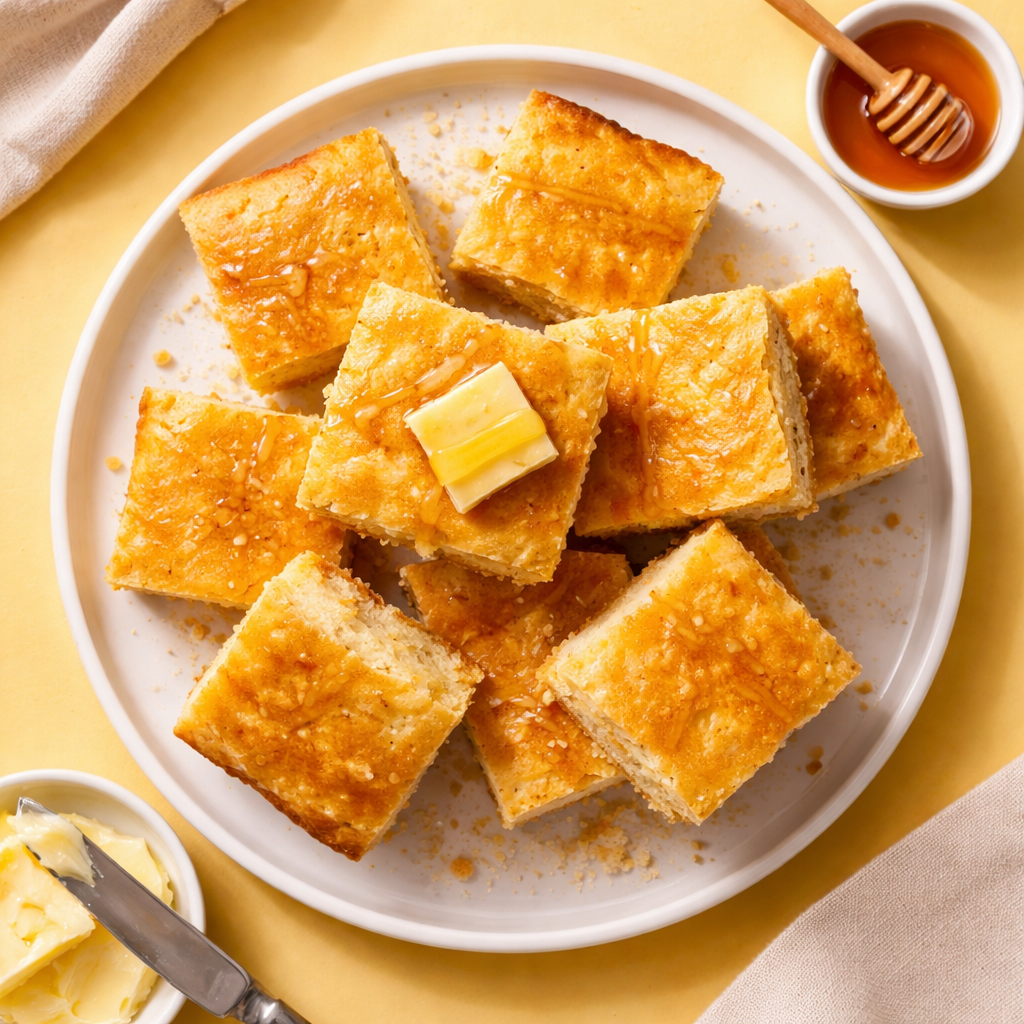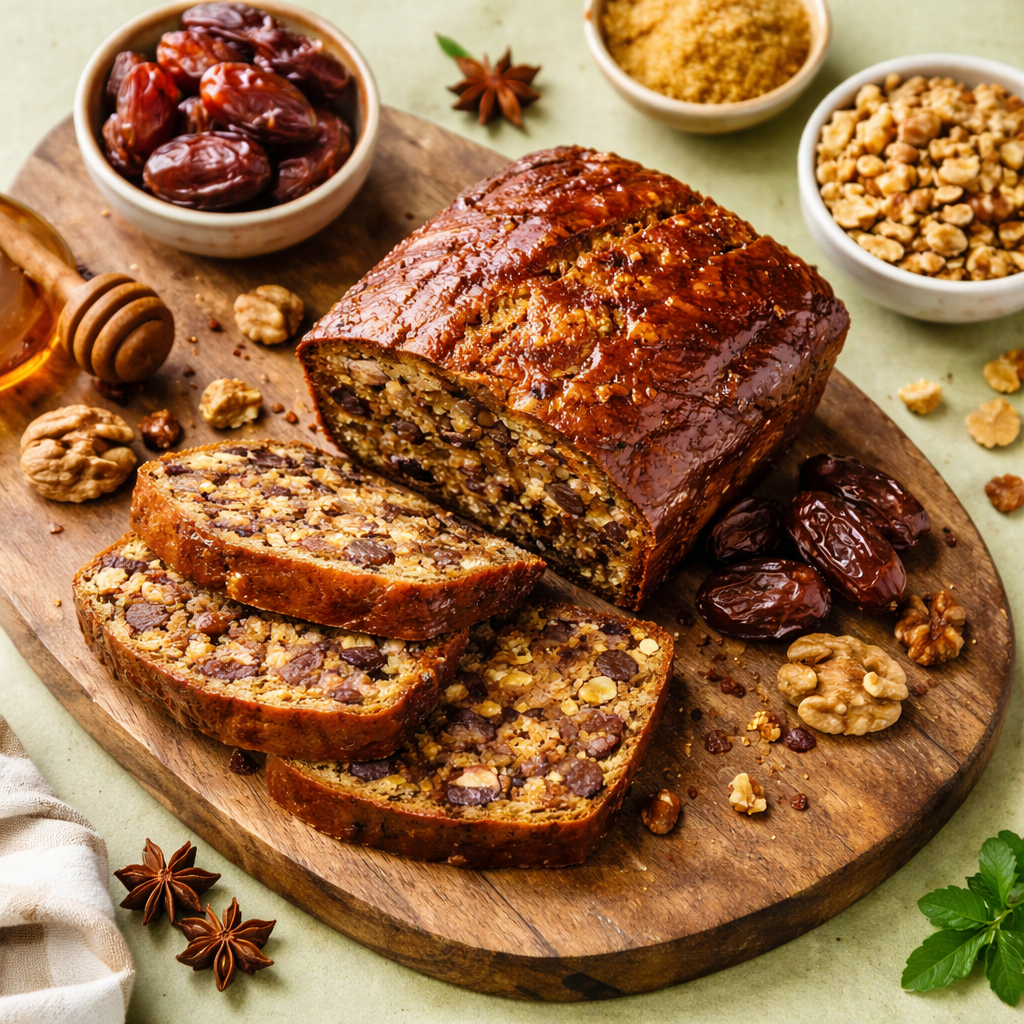
Food for the Gods is that legendary holiday loaf that quietly steals the spotlight. It is rich, chewy, and loaded with dates and nuts, and although it looks simple, it tastes like a warm hug from tradition. This recipe is made for cozy kitchens, loud laughter, and playlists on shuffle. Moreover, it is beginner friendly, yet it delivers bakery level vibes every single time. Because it is not overly sweet and still deeply satisfying, Food for the Gods becomes the kind of dessert you bake once and then crave every December. And honestly, once you master it, you might not even wait for the holidays.
“When I first heard the name of this traditional recipe, I honestly thought it sounded too grand for a single dish. However, after tasting it and learning about its cultural origins, my perspective completely changed. The rich flavors and meaningful history behind it make this more than just food. It has become one of the most unforgettable holiday meals I have ever enjoyed”
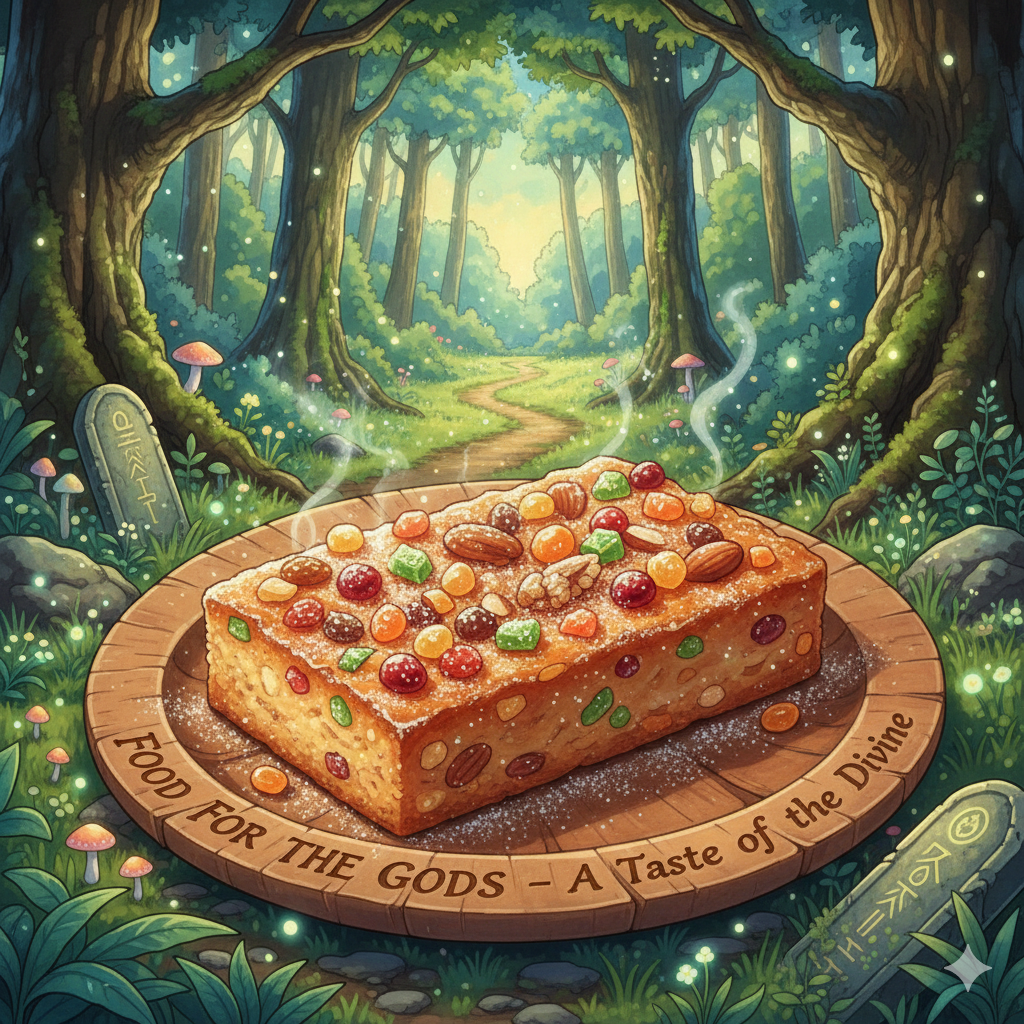

Food for the Gods: A Short History & Recipe Story
Food for the Gods is a classic Filipino holiday dessert with deep roots in family tradition and festive culture. This rich, dense loaf is believed to have been inspired by Western fruit breads introduced during the American colonial period in the Philippines. However, over time, local home bakers gave it a distinct identity by focusing on dates, nuts, and a chewy, brownie like texture instead of dried mixed fruits.
The name itself, Food for the Gods, reflects how special this dessert is. It was considered luxurious because dates and nuts were once expensive and hard to find. As a result, the recipe became closely associated with Christmas, New Year, and special celebrations. Families often baked it in small loaf pans, wrapped it carefully, and gave it as homemade gifts, making it a symbol of generosity and warmth.
What makes this recipe timeless is its simplicity and durability. Because it is moist and naturally preserved by sugar and dates, Food for the Gods keeps well without refrigeration. Therefore, it is perfect for advance baking and long holiday gatherings. Today, although many modern versions exist, the heart of the recipe remains the same: a chewy, nut packed loaf that tastes even better the next day.
I love the wide selection of special holiday dishes, especially this recipe. It tastes different from the others, feels more luxurious, and can be enjoyed by all ages.
In short, Food for the Gods is more than a dessert. It is a slice of nostalgia, baked with patience, shared with love, and always tied to moments worth celebrating.
Why You Should Try This Recipe
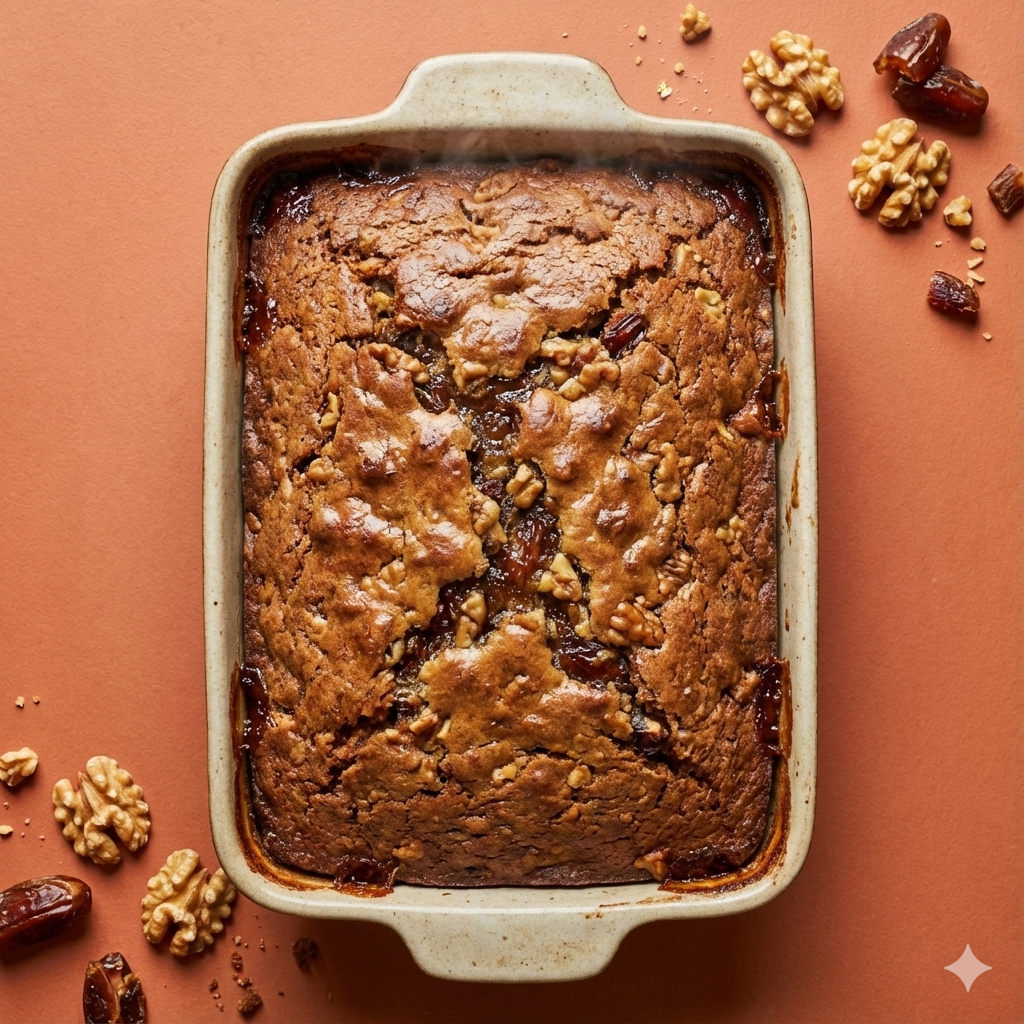
This Food for the Gods recipe is not just another dessert, it is a guaranteed crowd pleaser with serious comfort vibes. First of all, the texture is perfectly chewy and moist, thanks to the dates that melt into the batter as it bakes. Because of that, every bite feels rich without being overly sweet or heavy.
Moreover, this recipe is incredibly easy to make. You do not need fancy equipment, complicated techniques, or advanced baking skills. As long as you can mix, fold, and bake, you can pull this off successfully. Therefore, it is ideal for beginners, busy home bakers, or anyone who wants impressive results with minimal effort.
Another reason to try it is how well it fits into holiday routines. Since Food for the Gods tastes even better the next day, you can bake it ahead of time. In addition, it stores beautifully and travels well, which makes it perfect for gifting, potlucks, or family gatherings.
Most importantly, this recipe delivers nostalgia with a modern touch. It feels classic, yet still trendy enough to match today’s Gen Z baking culture. If you want a dessert that is timeless, shareable, and always requested again, this is the recipe you will keep coming back to.
Why It’s So Viral and Famous
Food for the Gods keeps going viral because it hits the perfect sweet spot between nostalgia and modern baking trends. On social media, people are craving comfort food with a story, and this recipe delivers exactly that. It looks humble at first glance, yet once sliced, the glossy top and dense, date packed center instantly trigger that “must try” reaction.
Additionally, it is highly shareable content. Short baking videos showing the chewy pull, chunky nuts, and rich texture perform extremely well on platforms like Instagram, Pinterest, and TikTok. Because the recipe uses simple ingredients and minimal steps, viewers feel confident enough to try it themselves, which naturally fuels more reposts and recreations.
Another reason for its fame is its versatility. Food for the Gods fits holiday content, gift ideas, budget friendly baking, and even aesthetic food photography. As a result, it easily crosses different niches without losing relevance. People also love that it lasts longer than typical cakes, making it ideal for batch baking and selling.
“Some recipes are made to fill the stomach, but this one quietly gathers people around the table. It turns a simple holiday dinner into a shared moment of laughter, stories, and gratitude. That is why, for me, it is more than just a holiday meal. It is a memory in the making.”
Finally, the emotional factor matters. This dessert is often tied to childhood memories, family traditions, and festive seasons. When something tastes good and feels meaningful, it spreads fast. That is why Food for the Gods is not just trending, it is timeless and repeatedly rediscovered by new generations.
Nutrition Value
Nutrition per piece of Food for the Gods cake
- Calories: ±280 kcal per slice
- Sugar: ±22 g
- Salt: ±180 mg
- Carbohydrates: ±40 g
- Protein: ±4 g
- Calcium: ±40 mg
- Fiber: ±3 g

Tools
- Mixing bowls
- Whisk or wooden spoon
- Measuring cups and spoons
- Loaf pan
- Parchment paper
- Oven
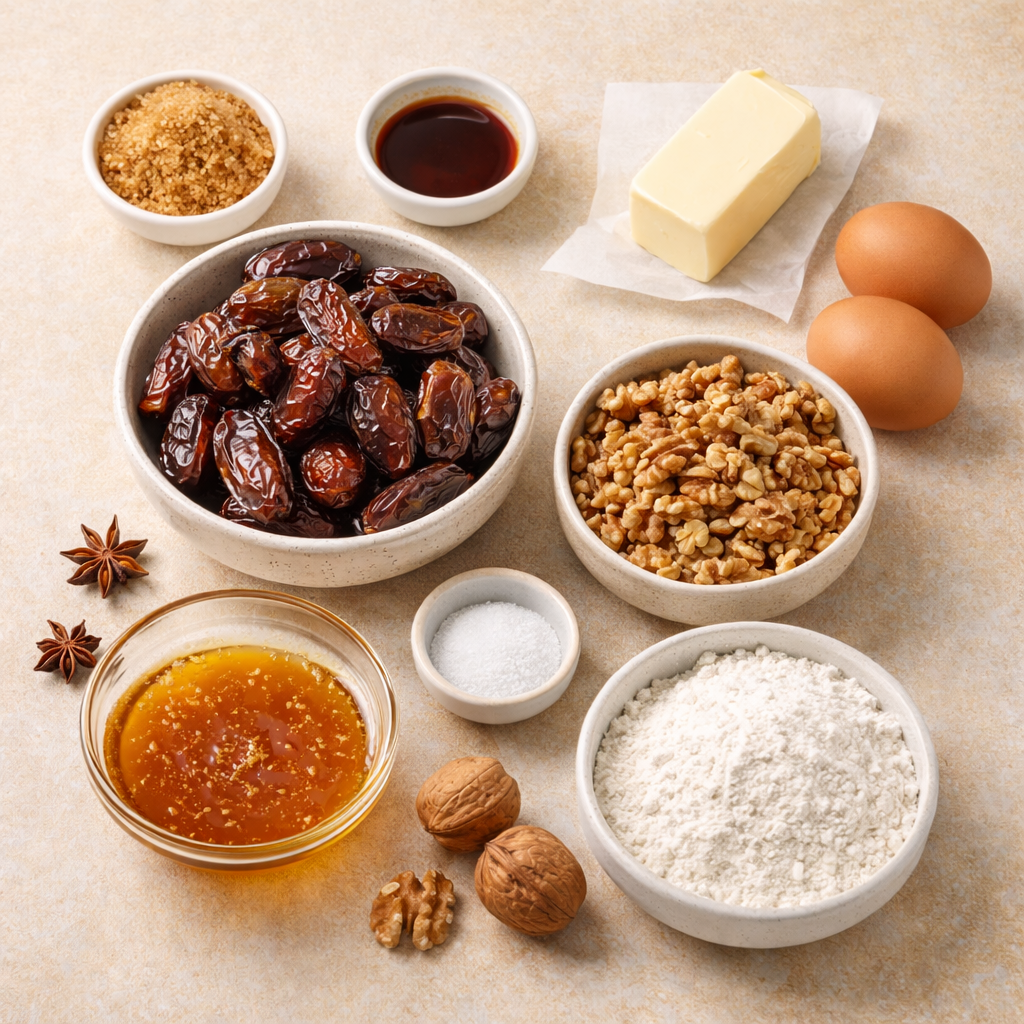
Ingredients
- 200 g pitted dates, chopped
- 150 g brown sugar
- 120 g all purpose flour
- 2 large eggs
- 60 g unsalted butter, melted
- 80 g chopped walnuts or pecans
- 1 tsp vanilla extract
- 1 tsp baking soda
- 1/4 tsp salt
How To Make it Step by Step
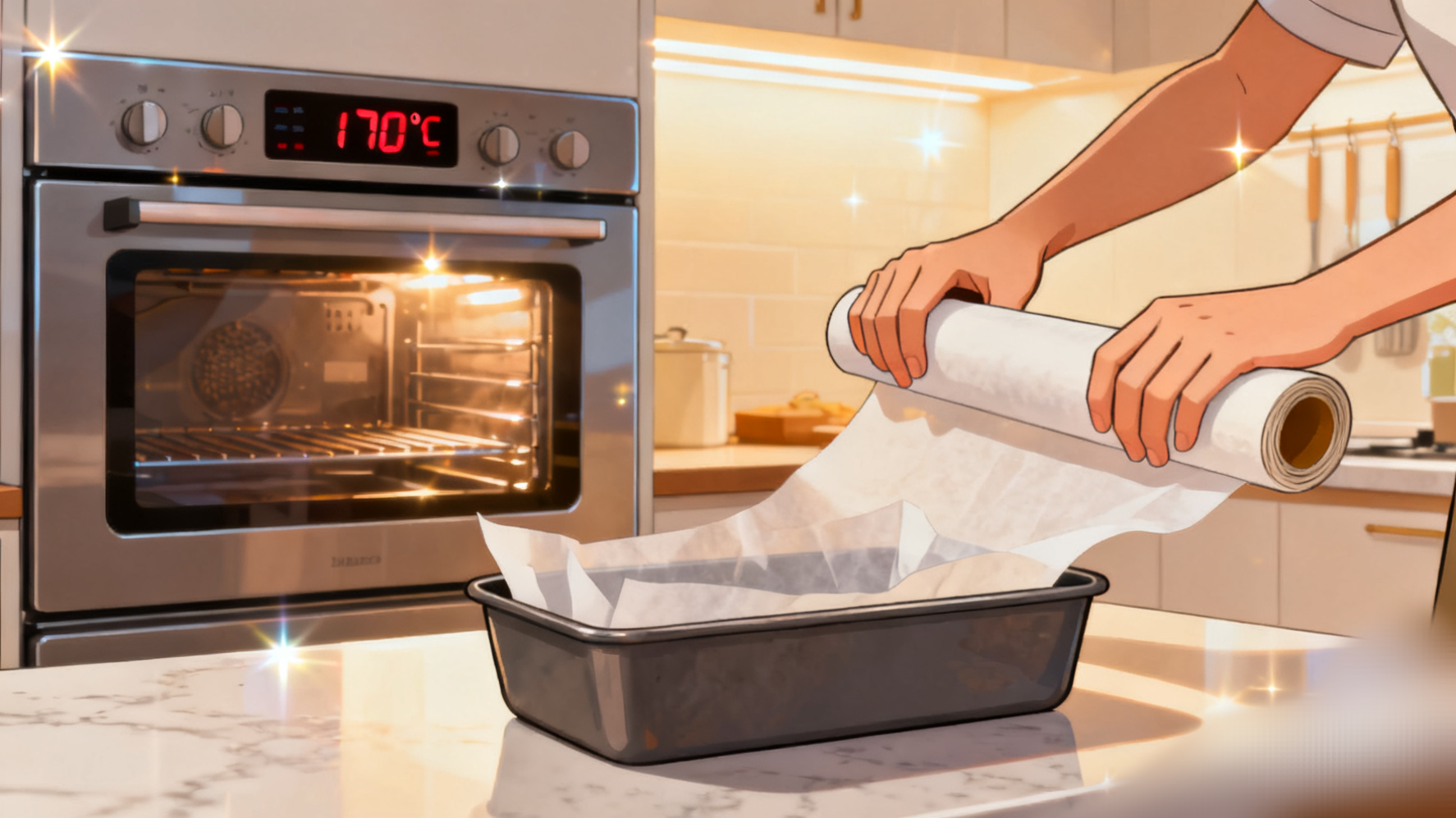
- Preheat your oven to 170°C, and then line a loaf pan with parchment paper.
- In a bowl, mix chopped dates with baking soda, then pour in hot water just enough to cover. Let it sit for 10 minutes until soft.
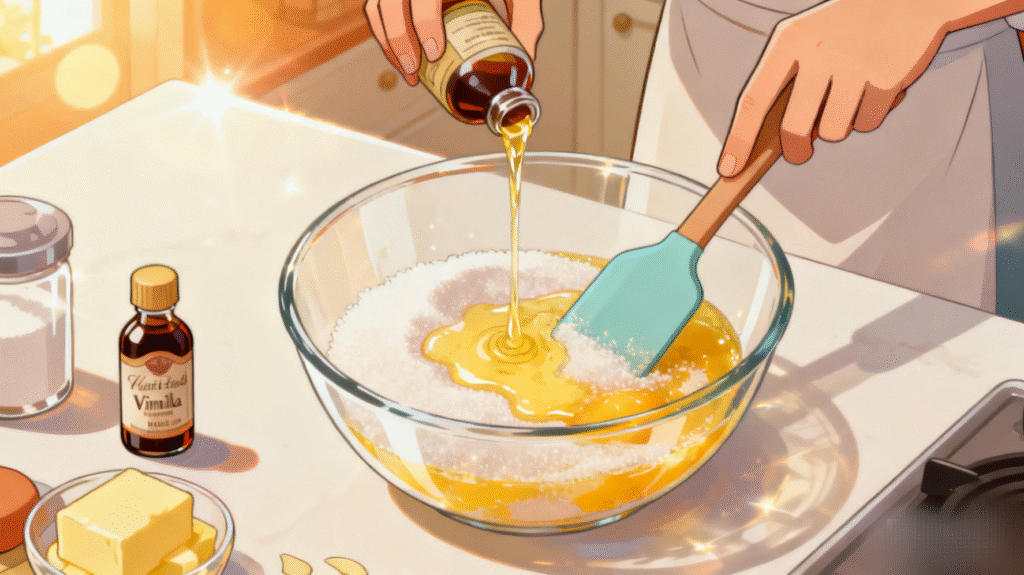
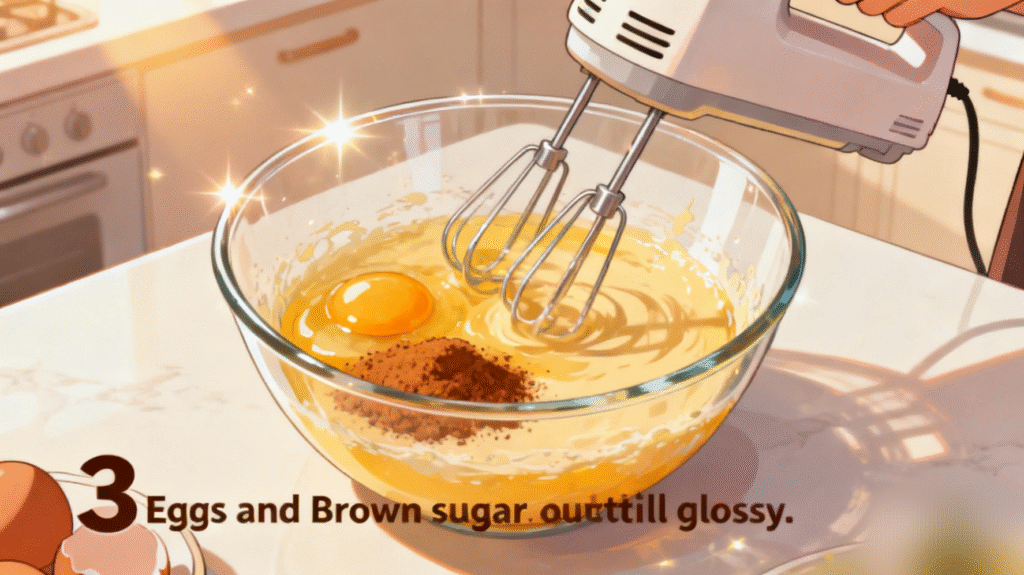
- In another bowl, whisk eggs and brown sugar until glossy, because this builds a chewy texture later.
- Add melted butter and vanilla extract, and mix gently until combined.
- Fold in the softened dates along with their liquid, and stir slowly.
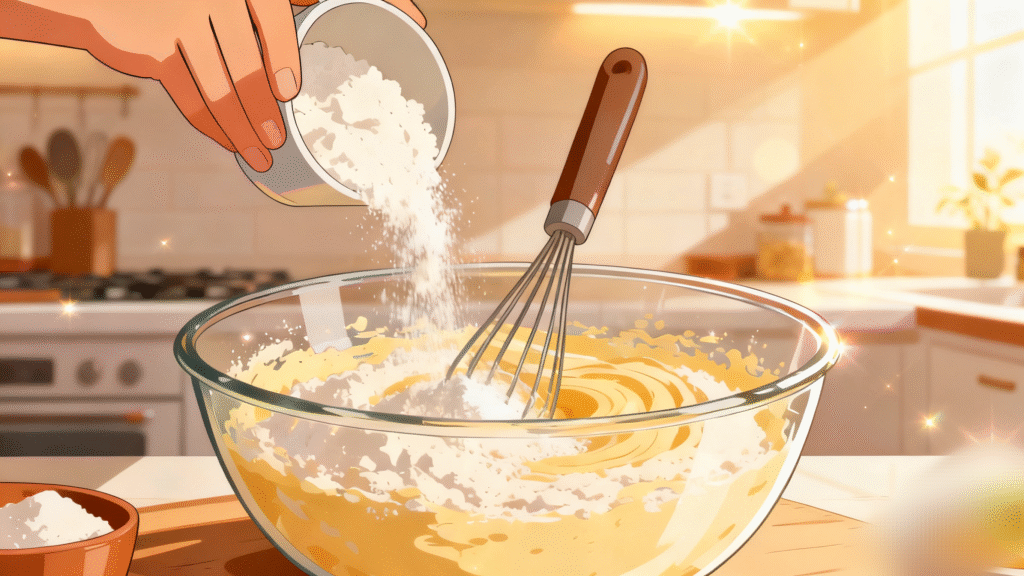
- Add flour and salt, then mix just until no dry spots remain.
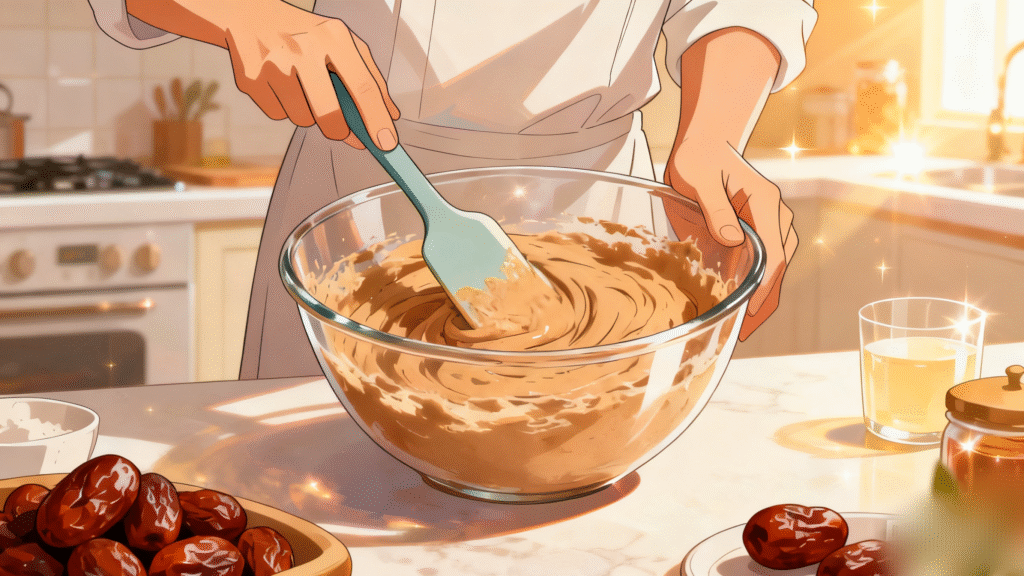
- Fold in the chopped nuts, and make sure they are evenly distributed.
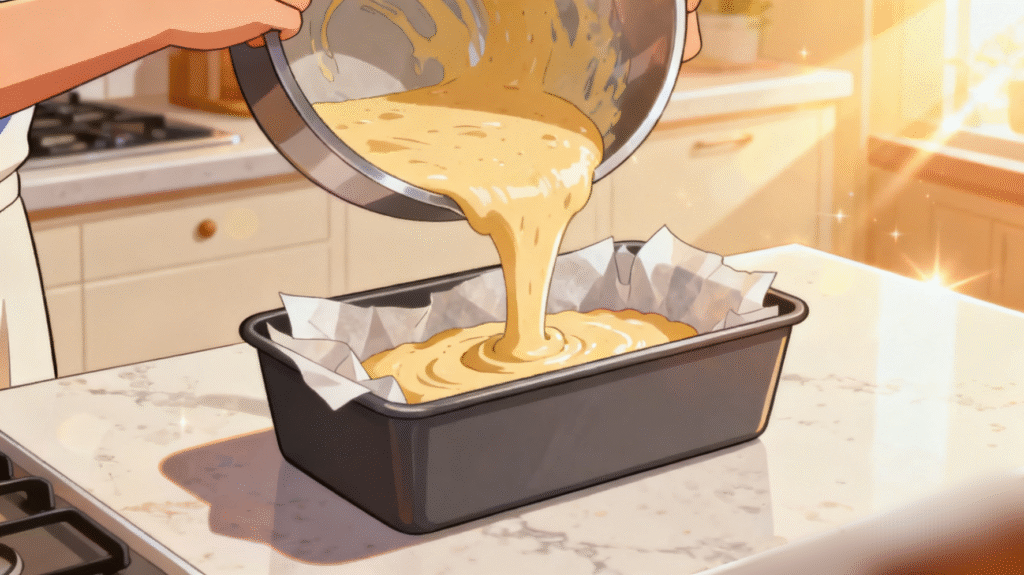
- Pour the batter into the pan, then tap it lightly to remove air bubbles.
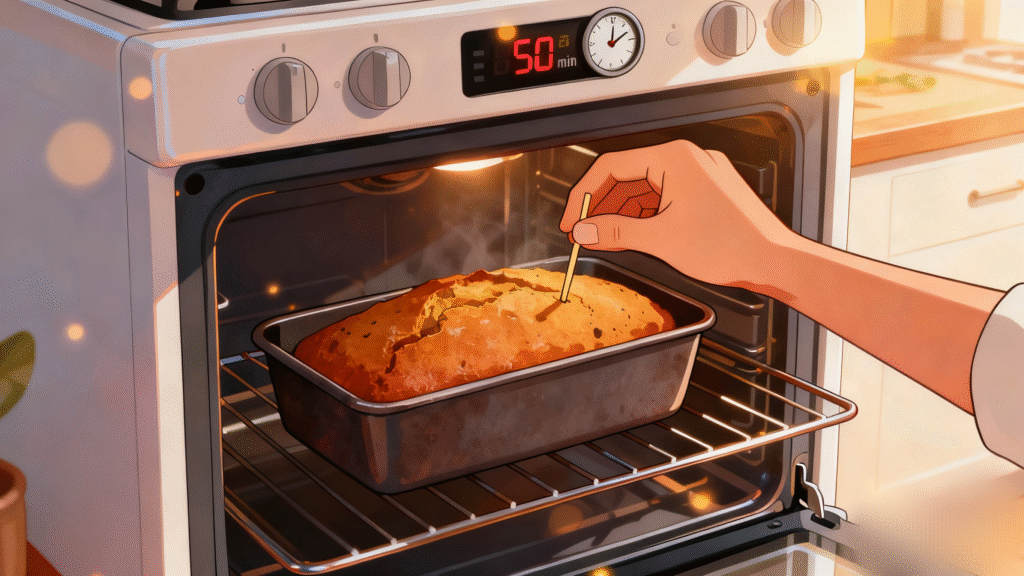
- Bake for 50 to 60 minutes, or until a toothpick comes out clean.
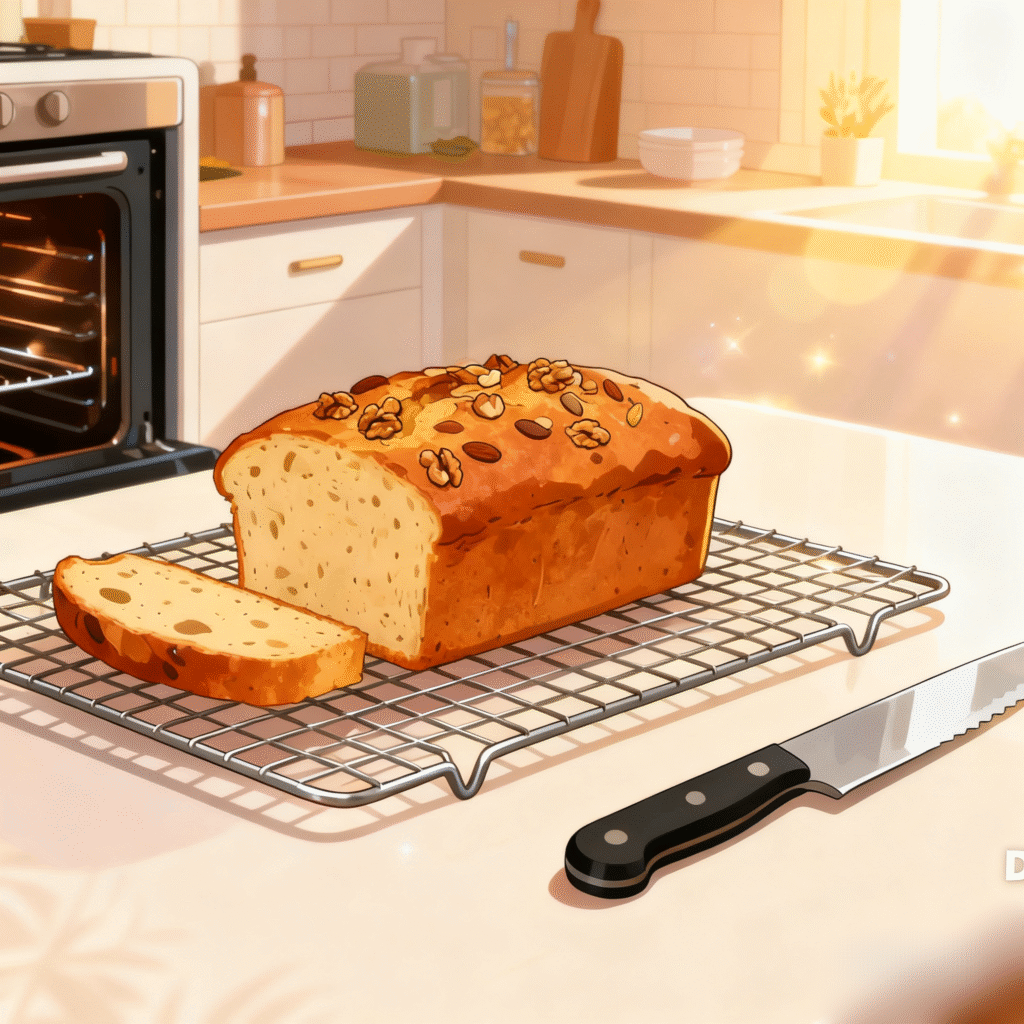
- Let it cool completely before slicing, although the smell will test your patience.
How to Store
Wrap the loaf tightly in plastic wrap or foil, then store it at room temperature for up to 3 days. For longer storage, keep it in the fridge for 1 week or freeze for up to 2 months.
When I know I will not finish it soon, I prefer to freeze it. From my experience, it keeps well for up to two months without losing too much of its texture or flavor
Common Mistake
Even though this recipe looks simple, a few small mistakes can quietly ruin the vibe. Here are the most common ones you should avoid if you want that perfectly chewy, glossy, holiday level result.
- Not Soaking the Dates Properly
- Dates are the heart of this recipe. If you skip soaking them or rush the process, the texture can turn dry and uneven. Because softened dates melt into the batter, they create that signature moist chewiness. So give them time to relax in hot water.
- Overmixing the Batter
- It may feel satisfying to keep stirring, however overmixing develops too much gluten. As a result, the loaf becomes dense and tough instead of soft and rich. Mix just until combined, then stop.
- Using Cold Ingredients
- Cold eggs or butter can cause the batter to curdle slightly. Therefore, always bring ingredients to room temperature before mixing. This helps everything blend smoothly and bake evenly.
- Overbaking
- Food for the Gods should be moist, not dry. If you leave it in the oven too long, it will lose that fudgy texture. Check a few minutes before the timer ends, and remove it once a toothpick comes out with a few moist crumbs.
- Slicing While It’s Still Hot
- It smells incredible fresh from the oven, but slicing too early will make it crumble. Because the loaf continues to set while cooling, patience gives you clean, beautiful slices.
- Skipping the Resting Time
- This dessert actually tastes better the next day. The flavors deepen and the texture becomes even richer. So although it is tempting to serve immediately, letting it rest overnight takes it to another level.
Cooking Tips
- Chop dates evenly so the texture stays balanced.
- Do not overmix the batter, because it can turn dense.
- Bake one day ahead, since the flavor deepens overnight.
FAQs
Is Food for the Gods a cake or a bread?
It is technically a bar loaf, but texture wise it sits between cake and brownie.
Can I replace dates?
Dates are the soul of this recipe, so replacing them will change the flavor dramatically.
Is this freezer friendly?
Yes, and it actually tastes better after resting.

Conclusion
Food for the Gods is proof that classic recipes never lose their charm. It is humble, rich, and emotionally powerful in the best way. Whether you bake it for gifting, family gatherings, or late night cravings, this recipe earns a permanent spot in your holiday rotation. And once you slice into that glossy, nutty loaf, you will understand why it keeps coming back every year.
Keyword : food for the gods recipe, holiday loaf cake, date walnut cake, Christmas baking recipe, easy holiday dessert
Asian bread Breakfast Cheese Cold Dessert Detox Diet Dinner Drinks Easy food Healthy hot Italian Japanese Low Calory Meal Noodle Omelette Pasta Popular Ramen Simple snacks Soup Street Food Sweet Thai Tiktok viral