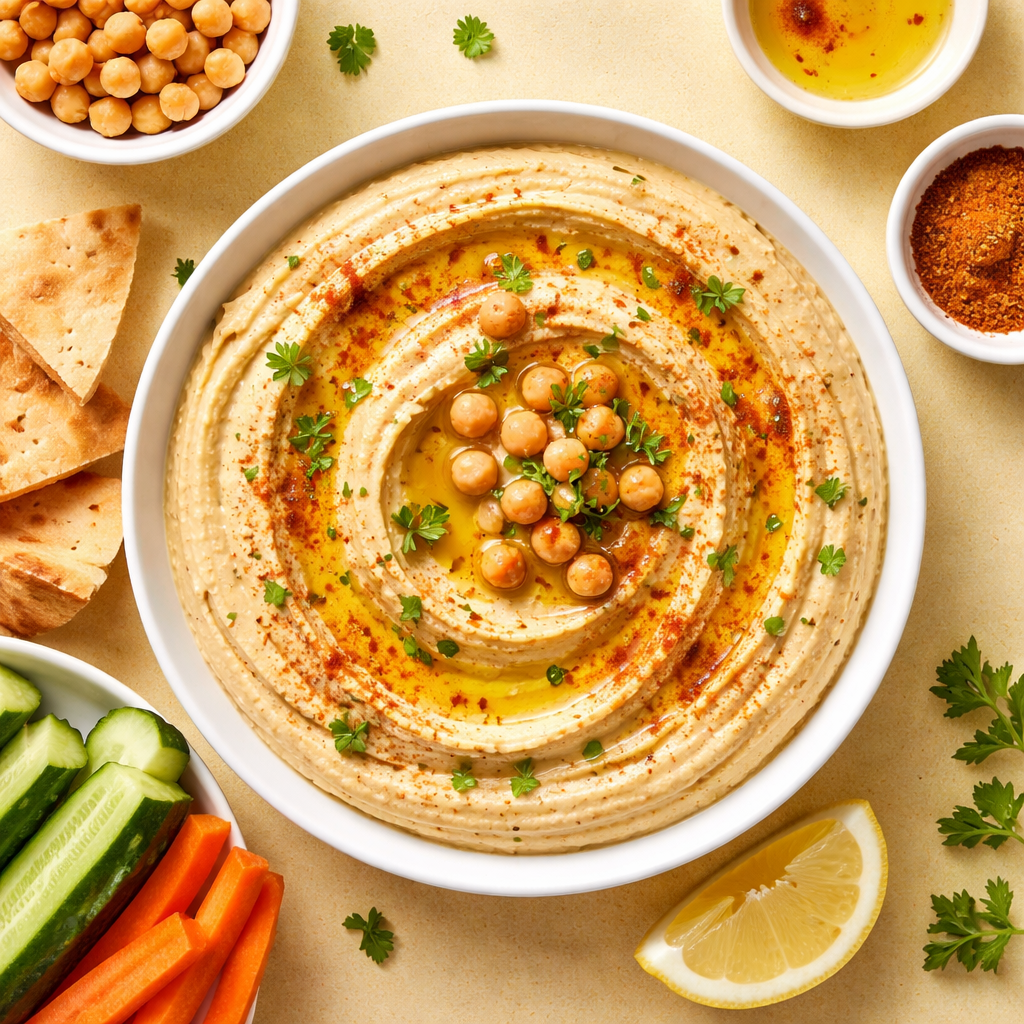
If you are craving something creamy, healthy, and seriously snackable, then this creamy hummus recipe is calling your name. This dish is a Gen Z kitchen icon because it is simple, aesthetic, and versatile. Whether you spread it on toast, dip veggies into it, or serve it at a chill hangout, hummus always delivers. Moreover, making hummus at home lets you control the flavor, texture, and nutrition. Therefore, you get a fresher taste compared to store-bought versions.
This creamy hummus recipe is smooth, rich, and perfectly balanced. Although it feels fancy, the process is beginner-friendly. In addition, all ingredients are easy to find, which makes this recipe ideal for everyday cooking. So, if you want a healthy snack that still feels indulgent, this is the one you must try at home.
“Since I first tried it, hummus has become my go to companion in the kitchen. It truly feels like a lifesaver. Whenever I need a quick snack while staying on track with my diet, I simply head to the fridge and grab a carrot, celery stick, cucumber, or any fresh vegetable I can enjoy right away. Dipping it into creamy hummus instantly makes it taste more satisfying and surprisingly indulgent.”


Story of Hummus
Hummus is one of the oldest and most iconic dishes from the Middle East, with a history that stretches back centuries. Although its exact origin is still debated, hummus is widely associated with the Levant region, including countries such as Lebanon, Palestine, Israel, Syria, and Jordan. In fact, early written records of a dish resembling hummus appear in 13th-century Arabic cookbooks, where mashed chickpeas were combined with tahini, vinegar, and spices.
Originally, hummus was created as a simple, nourishing food made from ingredients that were affordable and easy to store. Chickpeas, for example, were a staple crop in the region because they thrived in dry climates and provided long-lasting energy. Meanwhile, sesame seeds were commonly pressed into tahini, adding richness and depth of flavor. Therefore, hummus naturally became a daily food for many households.
Over time, the recipe evolved. Olive oil replaced vinegar with lemon juice, garlic was added for boldness, and spices like cumin enhanced the aroma. As Middle Eastern cuisine traveled across borders through trade, migration, and globalization, hummus gained international recognition. Today, hummus is enjoyed worldwide, loved for its creamy texture, plant-based nutrition, and incredible versatility.
In modern kitchens, hummus has transformed into a global food icon. Although rooted in tradition, it now comes in many variations, from classic creamy hummus to roasted red pepper and avocado versions. Yet, despite these creative twists, the heart of hummus remains the same: simple ingredients blended into something timeless and deeply comforting.
I truly appreciate how this ancient recipe continues to bring joy to different generations.
Why You Should Try Hummus Recipe
This creamy hummus recipe is worth trying because it perfectly balances flavor, texture, and nutrition in one simple dish. First of all, it is incredibly easy to make, so even if you are new to cooking, you can still achieve a smooth and restaurant-quality result at home. Moreover, the ingredients are affordable and widely available, which makes this recipe practical for everyday meals.
Another reason to try this recipe is its health benefits. Hummus is rich in plant-based protein and fiber, therefore it helps keep you full longer and supports a balanced lifestyle. In addition, it is naturally vegan and gluten-free, so it fits many dietary preferences without extra adjustments. Because you control the ingredients, you can avoid preservatives and excess sodium often found in store-bought hummus.
This recipe is also extremely versatile. You can enjoy it as a dip, a spread, or even a sauce for bowls and wraps. Furthermore, the creamy texture and mild flavor make it easy to customize with spices, herbs, or toppings you love. Whether you are hosting friends or preparing snacks for the week, this hummus always feels like the right choice.
Lastly, making hummus at home feels satisfying. It connects you to a timeless recipe while still matching modern Gen Z food vibes: simple, aesthetic, and nourishing. So, if you want a recipe that is healthy, delicious, and endlessly useful, this creamy hummus deserves a spot in your kitchen.
Hummus might look simple, but its versatility is what makes it unforgettable. It adapts quietly, whether you pair it with bread, crackers, or crisp vegetables.
Why It’s So Viral
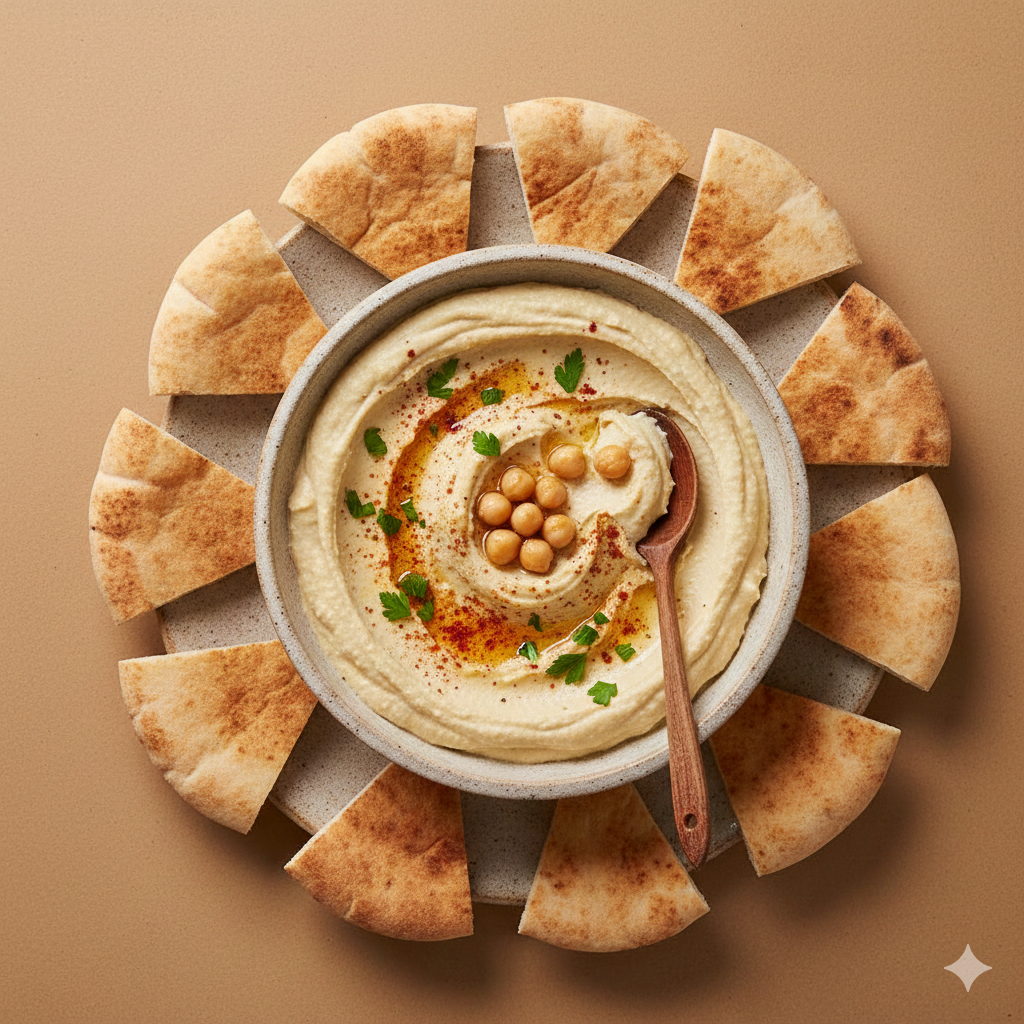
This creamy hummus recipe has gone viral because it checks all the boxes of modern food culture. First, it looks insanely aesthetic. The smooth swirl, glossy olive oil, and warm earthy tones make it perfect for Instagram, Pinterest, and short-form video platforms. Because visuals matter so much today, hummus easily becomes scroll-stopping content.
Secondly, this recipe fits the current wellness trend. People are actively looking for plant-based, clean, and nourishing foods, and hummus delivers exactly that. It is high in protein and fiber, yet still feels indulgent. Therefore, it appeals to those who want to eat healthier without sacrificing flavor or comfort.
Another reason is how easy and satisfying it is to make. The process is quick, low-effort, and beginner-friendly, which makes it ideal for viral recipe videos. In addition, watching chickpeas turn into ultra-creamy hummus feels oddly satisfying, and that transformation keeps viewers engaged from start to finish.
Moreover, hummus is endlessly customizable. Content creators can add their own twist, such as spicy, herby, or colorful toppings, which keeps the trend fresh and evolving. Because of this flexibility, the recipe never feels repetitive, even when it appears repeatedly on social media feeds.
Finally, hummus aligns perfectly with Gen Z values. It is affordable, shareable, and rooted in cultural authenticity while still feeling modern. As a result, this creamy hummus recipe continues to spread across platforms, kitchens, and timelines, turning a classic dish into a viral food icon.
Nutrition Value
- Calories: ±180 kcal per serving
- Sugar: 1.5 g
- Salt (Sodium): 240 mg
- Carbohydrates: 15 g
- Protein: 6 g
- Calcium: 40 mg
- Fiber: 4 g

Tools
- Food processor or high-speed blender
- Measuring cups and spoons
- Spatula
- Small bowl
- Serving plate
Ingredients
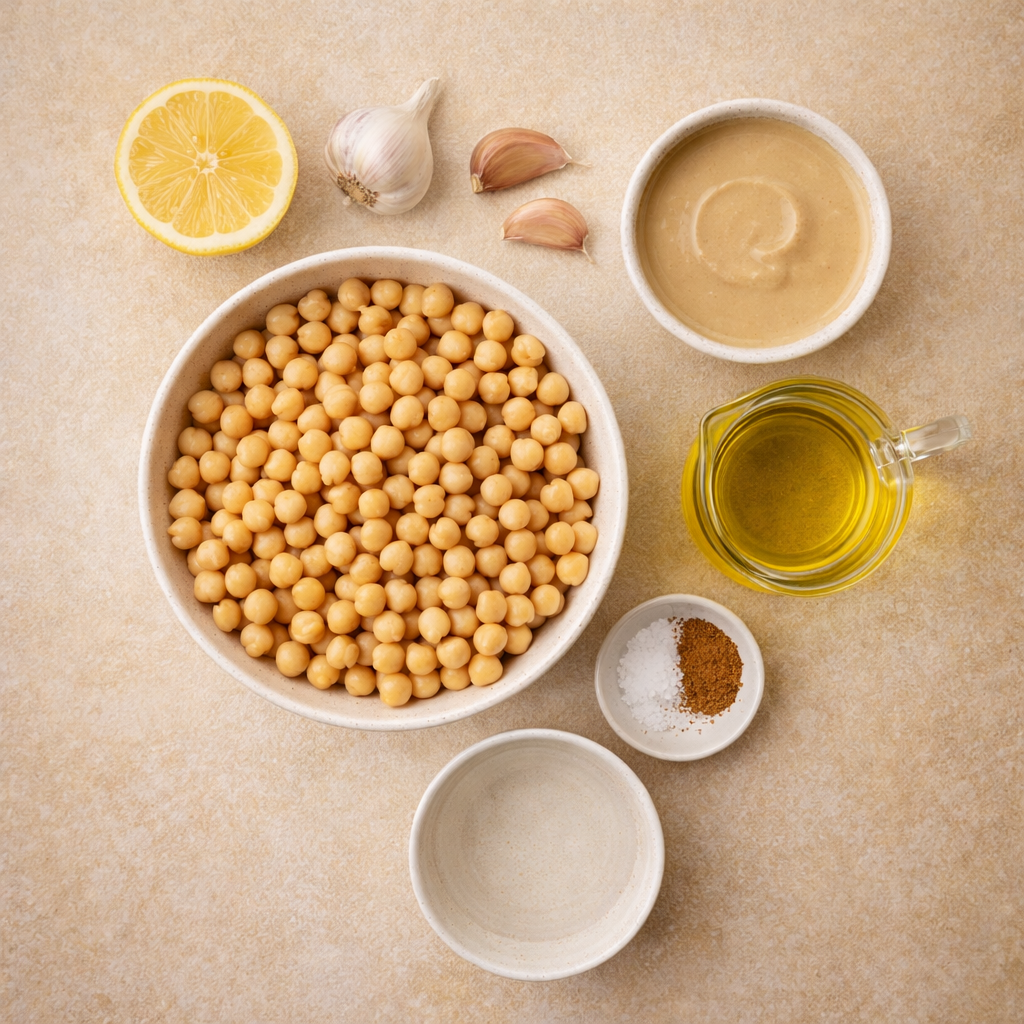
- 1 cup cooked chickpeas (canned or boiled)
- 3 tbsp tahini
- 2 tbsp olive oil
- 2 tbsp fresh lemon juice
- 1 clove garlic
- 1/2 tsp salt
- 1/2 tsp ground cumin
- 3 to 5 tbsp cold water
- Paprika and olive oil for topping
How To Make it Step by Step

- First, rinse and drain the chickpeas thoroughly.
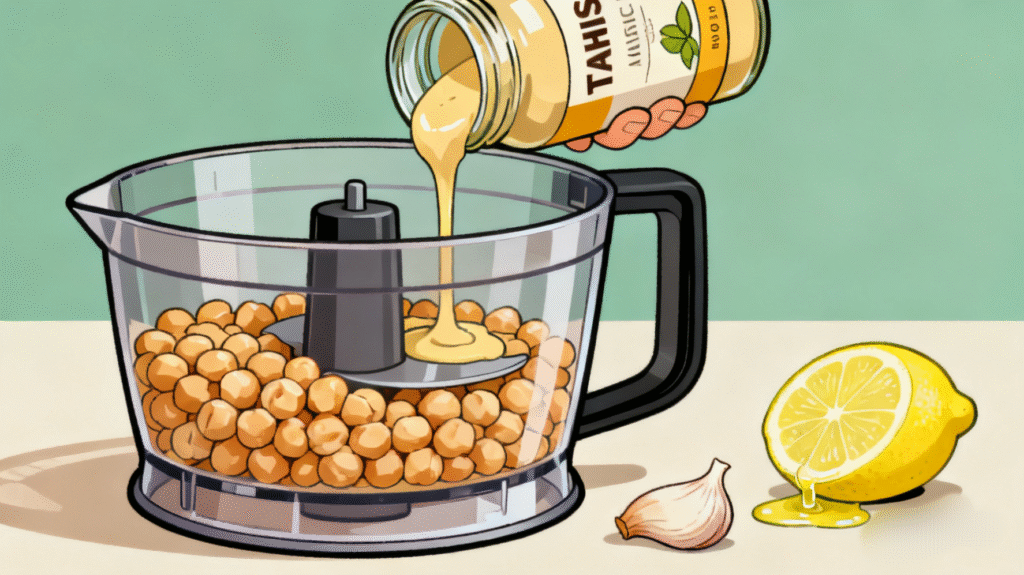
- Then, add chickpeas, tahini, lemon juice, and garlic into the food processor.
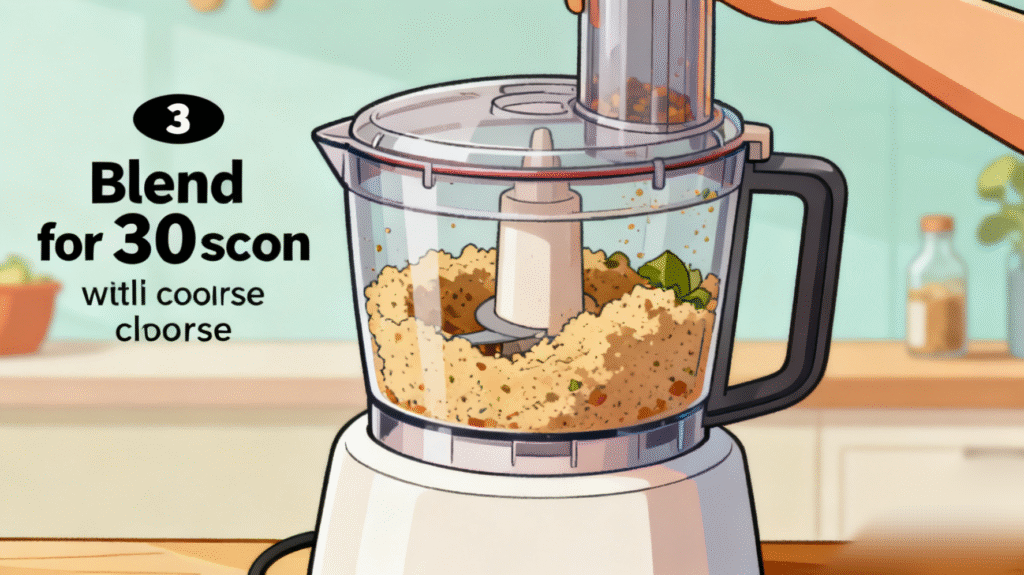
- Next, blend for about 30 seconds until roughly combined.
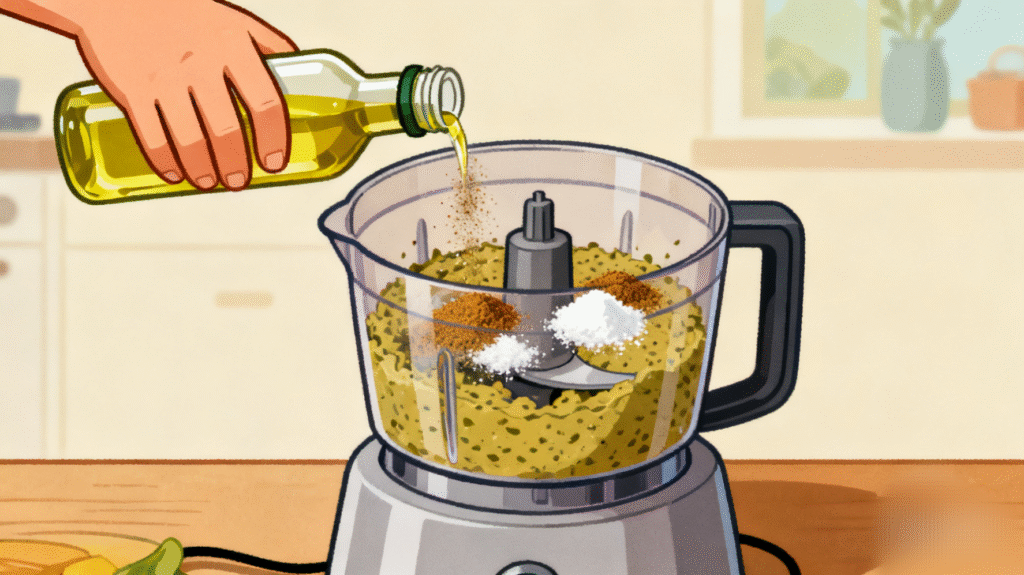
- After that, add olive oil, salt, and cumin, and blend again.
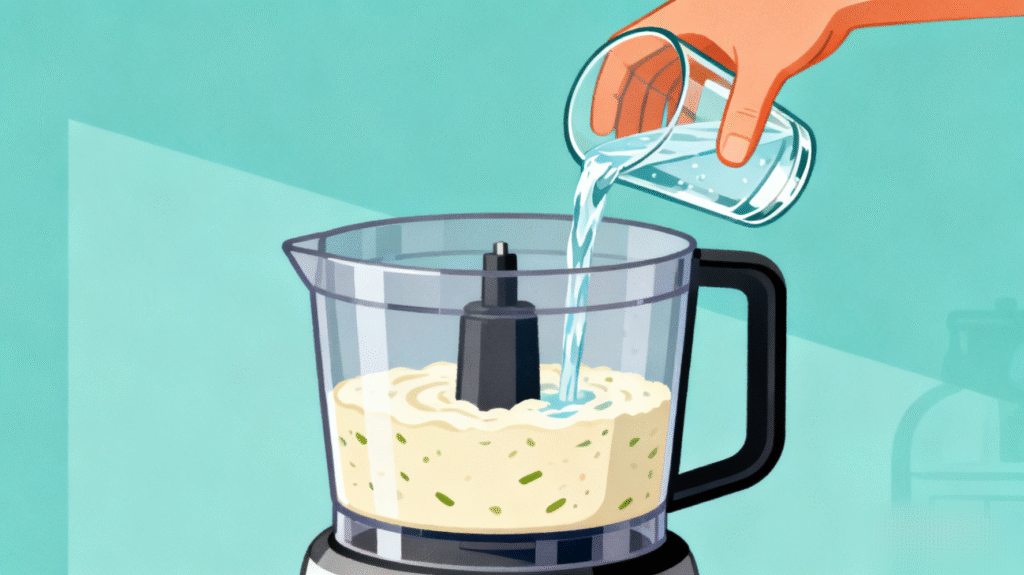
- Slowly pour in cold water while blending to achieve a creamy texture.

- Continue blending until the hummus is ultra-smooth.
- Finally, taste and adjust seasoning if needed.
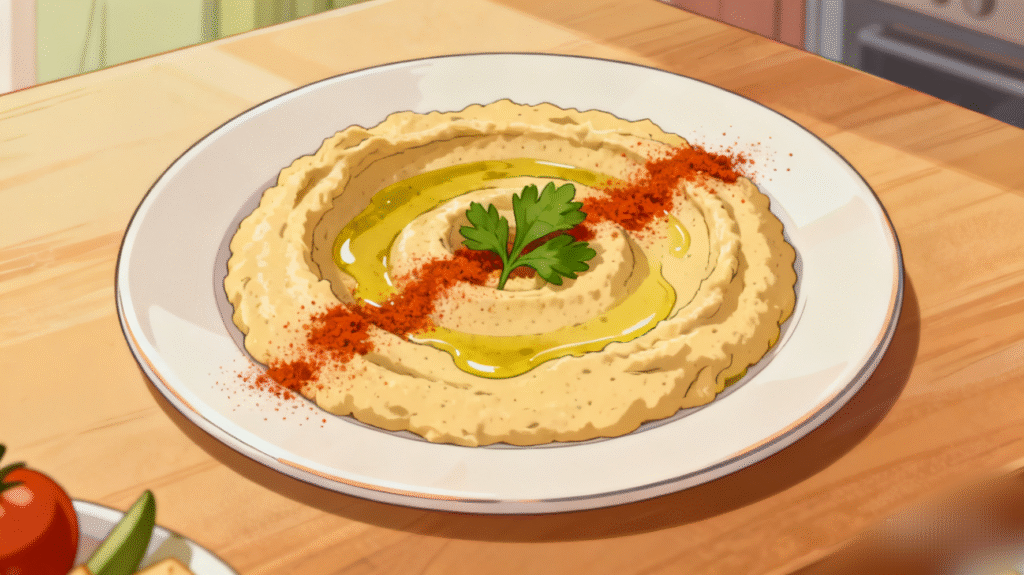
- Serve on a plate, drizzle olive oil, and sprinkle paprika on top
How to Store
Store hummus in an airtight container and keep it in the refrigerator. It stays fresh for up to 5 days. Additionally, drizzle a little olive oil on top before storing to keep it moist.
From my experience, storing it in an airtight jar works best. If I do not have one, I simply cover the jar tightly with plastic wrap and secure it with a rubber band to keep it fresh and prevent it from drying out
Common Mistake
Even simple recipes can go sideways if we rush the process. Here are the top mistakes to avoid so your hummus turns out ultra smooth and flavorful every single time.
- Not Blending Long Enough
- Texture is everything. If you stop blending too early, your hummus will be grainy instead of creamy. Therefore, let the food processor run longer than you think. Smoothness equals luxury.
- Skipping the Cold Water Trick
- Adding ice-cold water while blending makes a huge difference. Without it, the hummus may feel thick and heavy. However, with cold water, it becomes lighter and silkier.
- Using Low-Quality Tahini
- Tahini is not just an extra ingredient, it is the backbone of flavor. If the tahini tastes bitter or dull, your hummus will too. So always choose smooth, high-quality tahini.
- Not Adjusting Salt and Lemon
- Flavor balance matters. Some chickpeas are milder than others, so you may need extra salt or lemon juice. Taste and adjust gradually instead of following measurements blindly.
- Forgetting Presentation
- Hummus is simple, but presentation elevates it. Without olive oil drizzle and a sprinkle of paprika, it can look plain. A small garnish makes it look inviting and photo-ready.
Avoid these mistakes, and your homemade hummus will taste creamy, balanced, and absolutely next level.
Cooking Tips
- Peel chickpea skins for extra smooth texture.
- Use ice-cold water while blending for maximum creaminess.
- Blend longer than you think, because texture matters.

FAQs
Is hummus healthy for daily consumption?
Yes, hummus is rich in plant protein and fiber, so it is great for daily meals when eaten in moderation.
Can I make hummus without tahini?
Yes, however the taste will be slightly different. You can replace tahini with extra olive oil or Greek yogurt.
Why is my hummus not creamy?
Usually, this happens because of less blending time or not enough liquid. Therefore, add more water and blend longer.

Conclusion
This creamy hummus recipe proves that healthy food does not have to be boring. In fact, it can be bold, smooth, and totally addictive. Because it is easy to make and packed with nutrients, this hummus deserves a spot in your weekly menu. So, grab your blender, try it at home, and level up your snack game instantly.
Keyword : creamy hummus recipe, homemade hummus, healthy dip recipe, easy hummus at home, vegan snack recipe
Asian bread Breakfast Cheese Cold Dessert Detox Diet Dinner Drinks Easy food Healthy hot Italian Japanese Low Calory Meal Noodle Omelette Pasta Popular Ramen Simple snacks Soup Street Food Sweet Thai Tiktok viral